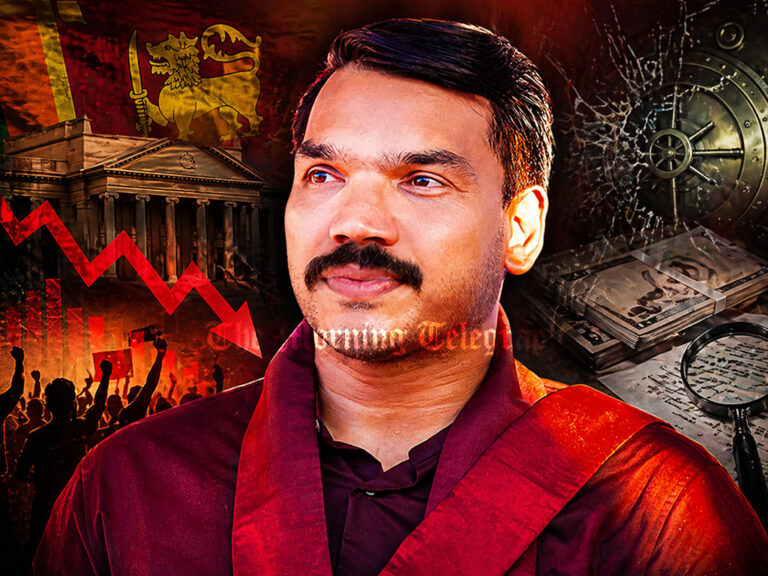
Sri Lanka’s Deputy Minister of Vocational Education announces sweeping reforms to integrate vocational training into schools by 2026. On World Youth Skills Day, he highlights plans to combat youth unemployment, reduce the NEET index, and create pathways from secondary to postgraduate studies. A nationwide shift in the education system is underway.
A Major Turning Point Is Coming Soon in Sri Lanka’s Education Sector
World Youth Skills Day, observed globally on July 15th each year, has deep roots in Sri Lanka. It was Sri Lanka that initially proposed the idea to the United Nations General Assembly in 2014. The result: since 2015, World Youth Skills Day has been marked annually worldwide, celebrating a decade of focus on empowering youth through skills development.
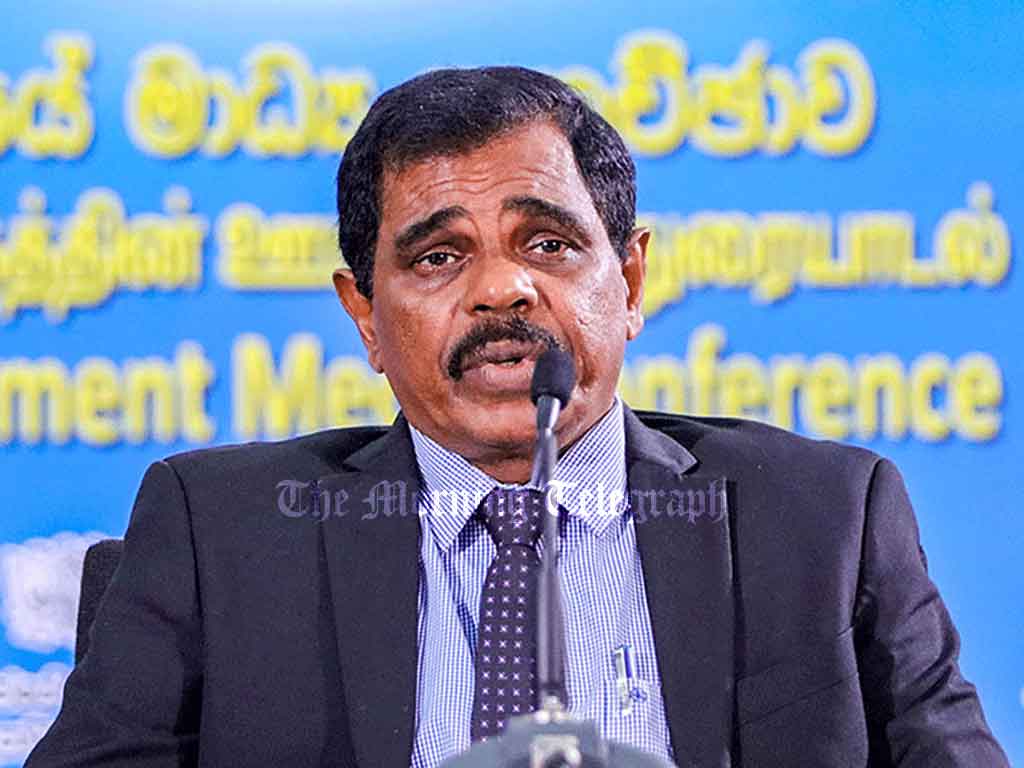
Deputy Minister of Vocational Education Nalin Hewage emphasized this achievement at a special media briefing held at the Government Information Department. He noted that this accomplishment is not just symbolic but a transformative step forward for the Sri Lankan education system and youth community.
To mark this global observance, the Ministry of Vocational Education has launched a variety of programs across several regions in Sri Lanka. According to Deputy Minister Hewage, youth represent a powerful human resource that can drive national development when integrated effectively with physical and policy infrastructure.
Citing the 2022 NEET index (Not in Employment, Education, or Training), Hewage revealed a concerning statistic: 40% of Sri Lankan youth are disengaged from formal education, training, or work. This figure mirrors a finding in the 2016 Central Bank report, which noted that the NEET index had reached alarming levels by 2015.
Hewage underscored that while youth potential is vast, the actual economic integration of this demographic remains minimal. In response, the current government has prioritized youth empowerment and is actively working to integrate youth into economic development through targeted skill-building initiatives.
Looking ahead, the Ministries of Education, Higher Education, and Vocational Education will jointly implement significant educational reforms by 2026. These reforms aim to provide two clear paths for every child: either continue in the general education system up to secondary level or transition into a robust vocational education pathway that can extend to postgraduate qualifications.
In a landmark move, vocational training will be introduced into school curriculums beginning January next year. This integration will ensure that every student in Sri Lanka has access to quality education tailored to their strengths and aspirations.
“No school-going child will be left behind,” Hewage affirmed, outlining the vision of an inclusive, future-ready education model that prepares Sri Lanka’s youth for local and global challenges.