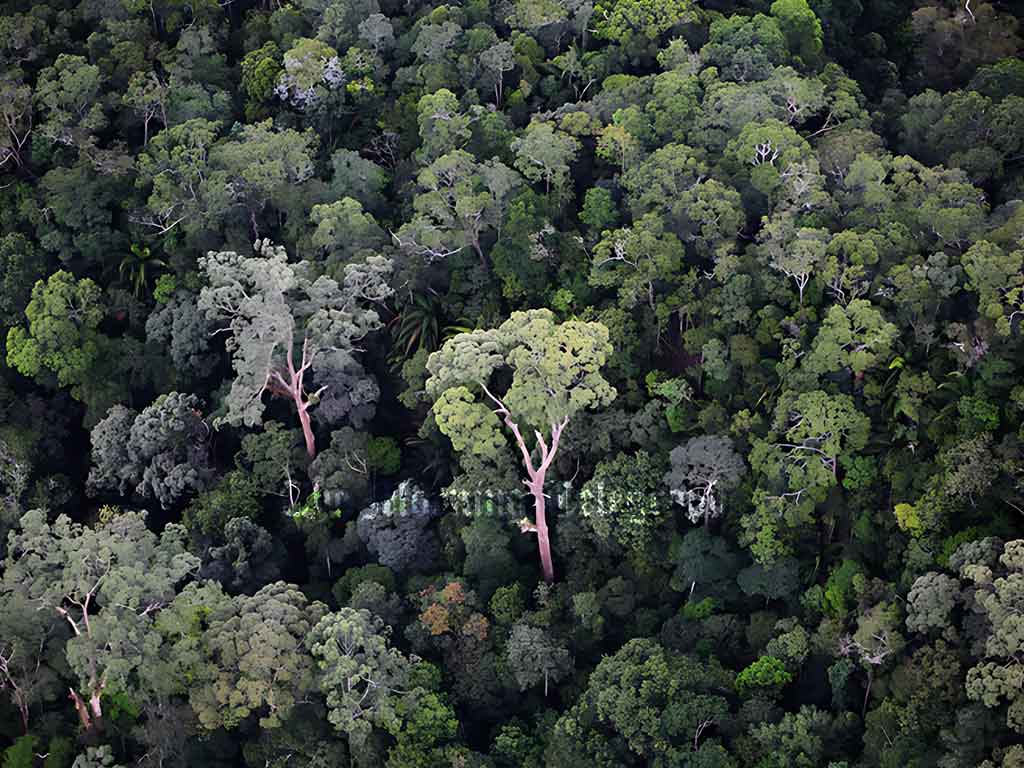
A shocking deforestation operation is underway in Kurunegala’s Sundarapola Reserve Forest, with thousands of teak, mahogany, and jackfruit trees marked for removal under a controversial initiative by the Forest Department and State Timber Corporation. Critics warn of irreversible environmental damage as government-backed agencies cite “water consumption” and timber profit as justification. Is this conservation or quiet destruction?
Massive Tree Felling in Kurunegala Reserve Sparks Alarm Over Environmental Damage
Thousands of trees are set to be cut down in the protected Sundarapola Reserve Forest near Kurunegala, reportedly due to issues arising from excessive water consumption. This revelation has stirred major controversy, with accusations that the operation sanctioned by the Forest Department and the State Timber Corporation is being carried out under the guise of the “Clean Sri Lanka” program.
The issue came to light after a site visit by the Leader of the Opposition in the Kurunegala Municipal Council, Sumedha Arunashantha (SJB), along with several opposition councillors. Speaking to the media, Mr. Arunashantha claimed the deforestation was happening at the direct request of the government and had received official approval from the Forest Department, initiated through the State Timber Corporation.
He stressed that no prior government has permitted such destruction in the Sundarapola Reserve. While the economic profit from timber sales may be substantial, he warned that the long-term ecological consequences could be devastating for the Kurunegala region. “The environmental damage cannot even be measured,” he said, highlighting potential risks such as rising temperatures, reduced biodiversity, and threats to groundwater retention.
Officials from the Timber Corporation who were present during the visit informed MPs that nearly 1,000 large trees—including teak, mahogany, and jackfruit are being cleared as part of the project. Their justification: teak trees consume excessive amounts of water, and many of the trees have reached the end of their life span.
They argued that the tree removal aligns with sustainable forest management practices. However, environmentalists and local leaders are not convinced. The felling of such a large number of mature trees from a protected forest reserve raises serious questions about the government’s true environmental agenda.
Mr. Arunashantha strongly criticized the operation and called on the public to resist the move. “All those who love Kurunegala should rise against this shameless deforestation campaign disguised as a ‘clean-up’ effort,” he declared.
With growing concern over forest cover reduction and climate-related instability in Sri Lanka, this incident has ignited debate about whether conservation policies are being undermined for short-term economic gain. The opposition continues to demand a halt to the operation and calls for public accountability from the Forest Department and the Ministry of Environment.