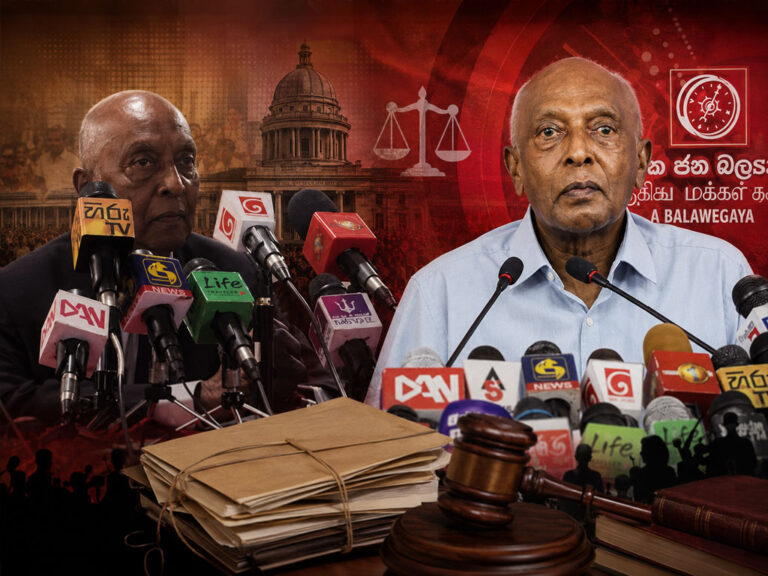
A major political revamp is on the horizon as the government eyes structural reforms to the Constitutional Council and independent commissions. With frustration mounting over inefficiencies and inherited appointments, sweeping constitutional changes are now being prepared to tighten executive control. Here’s what’s changing and why it matters.
Government Eyes Major Reshuffle of Constitutional Council and Independent Commissions
A new government is reportedly gearing up to overhaul the Constitutional Council and independent commissions, aiming to introduce structural changes and appoint new members to key statutory bodies.
Plans are underway to amend the current framework that governs the Constitutional Council and the independent commissions established under constitutional provisions. These changes come amid complaints of practical difficulties in running these bodies effectively under the current structure.
The government maintains that since the existing appointments were made under the previous administration, it should have the authority to make new appointments after a new prime minister and cabinet have assumed office.
However, sources reveal that these proposed reforms will mostly take effect after the expiration of the current term of the Constitutional Council and the respective commissions. The focus appears to be on resetting the system for the incoming government, aligning governance structures with the new political leadership.
One of the key proposals under consideration is to revise the model by which members of the Constitutional Council are appointed—allowing new appointments to coincide with a change in the prime minister or cabinet. This would give future governments more flexibility and influence over these powerful oversight bodies.
Further constitutional amendments are also in the pipeline to facilitate these adjustments. The decision comes after the government faced ongoing issues in making critical appointments, particularly through the Police Commission, the Public Service Commission, and the Constitutional Council itself.
Authorities say there is a need to review the mechanisms through which appointments are made to ensure greater effectiveness and operational efficiency.
The government has taken note that the current commissions, structured under conventional legal frameworks, often lack the agility to meet modern governance demands. Officials argue that limited sittings—often once a week or even less frequently—have hampered swift decision-making.
A senior government source remarked, “It is not possible to work efficiently by meeting once a week or occasionally. The government wants to work efficiently, but it has become difficult to do so with some of the existing commissions.” The same official noted delays in receiving timely responses from these bodies.
The Constitutional Council and independent commissions were originally established as reforms to counterbalance the sweeping powers of the executive presidency. They emerged out of widespread public protests demanding more checks and balances and were introduced through constitutional amendments to promote transparency and depoliticization.
However, this latest move signals a new direction—one that could see the executive regaining greater control over the appointments and operations of these oversight institutions.