In a bold new move, Prime Minister Harini Amarasuriya has announced a landmark overhaul of Sri Lanka’s education system. Backed by expert consultation and rooted in policy planning, the reform targets overcrowded classrooms, outdated teacher training, and systemic administration flaws. With teacher professionalism, curriculum renewal, and nationwide infrastructure on the table, the government promises a transformative educational future.
Harini Amarasuriya Confirms Classroom Reform and Teacher Training Overhaul in Landmark Education Plan
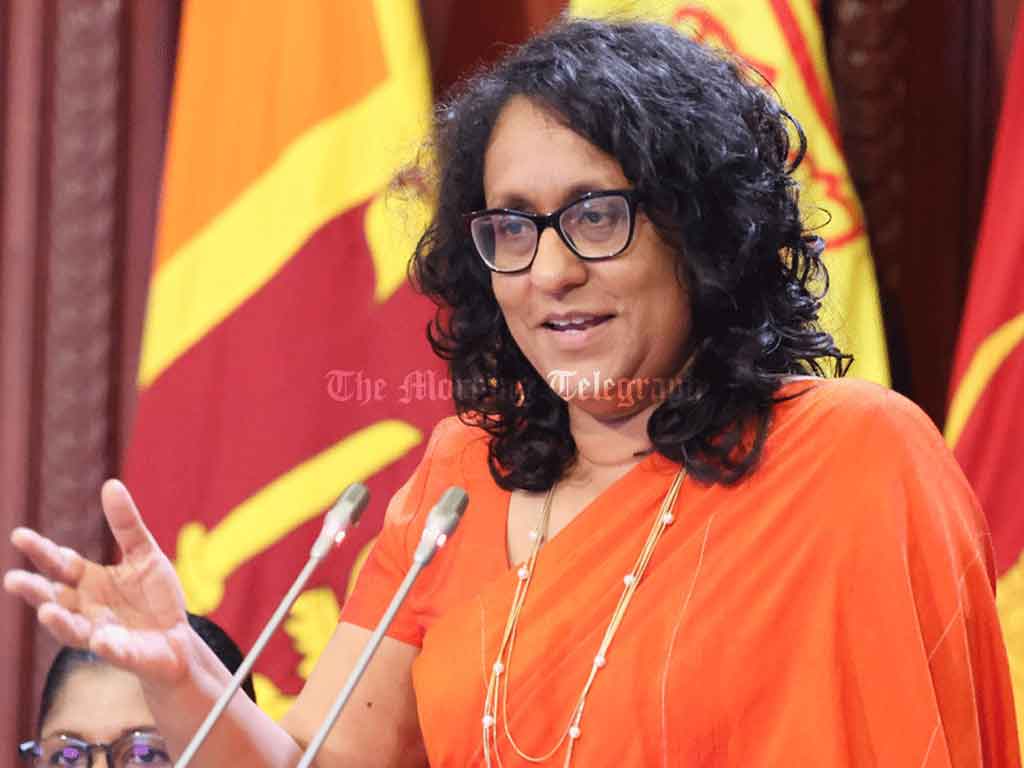
Education reforms were carried out after wide-ranging consultation with national experts, and are designed to significantly improve the quality of schooling across Sri Lanka, Prime Minister Dr. Harini Amarasuriya said during a provincial education forum. The reforms aim to reduce classroom overcrowding and modernize teacher training—bringing long overdue change to the national education system.
The Prime Minister, who also serves as the Minister of Education, Higher Education, and Vocational Education, made these remarks while participating in an educational outreach event held at the Dakshinapaya Auditorium in Galle on the 19th. The event was part of a broader series to educate education authorities in the Southern Province on the government’s proposed reforms.
Speaking at the fourth regional awareness program on the new education reforms, the Prime Minister noted:
“First of all, I would like to thank you for your support for the education reform. In fact, our government discussed and planned to implement a new education reform even before it came to power.
We formulated policies after consulting subject matter experts in alignment with our national policy framework, and took into account insights from various stakeholders across the education sector.”
According to the Prime Minister, the reforms go far beyond the curriculum. They include bold structural changes: enhancing teacher professionalism, reforming the administration of the education system, and investing in infrastructure to ensure equal and high-quality education for every child in the country.
“This is not something we are doing for personal gain, but because we see it as a national responsibility. We understand what the country needs,” she emphasized.
Amarasuriya also acknowledged criticism of the reforms, noting that some of it stems from misunderstanding, while others exploit the reforms for political gain. Despite that, she insisted, the government has a mandate from the people to implement necessary corrections and usher in positive change.
“We know that implementing this reform is a major challenge, but we were elected to do exactly this,” she said.
One key goal of the reform is to reduce the number of students per classroom to 25–30. “It’s impossible to deliver quality education when 50–60 children are packed into one classroom,” she said, highlighting one of the most pressing issues.
The Prime Minister also noted that Sri Lanka’s teacher training syllabi have remained unchanged for 16 years—something the new reforms aim to address. A full revamp of the curriculum for teacher training colleges is planned. In addition, continuous professional development for teachers and educationists will become standard practice.
“We are taking the necessary steps to launch ‘training of trainers’ programs starting in August to ensure that teacher education begins immediately,” she announced.
The education reform package is designed to be comprehensive and future-focused, promising a new era of equitable learning opportunities for students and robust support for teachers.
~ Prime Minister’s Media Division ~