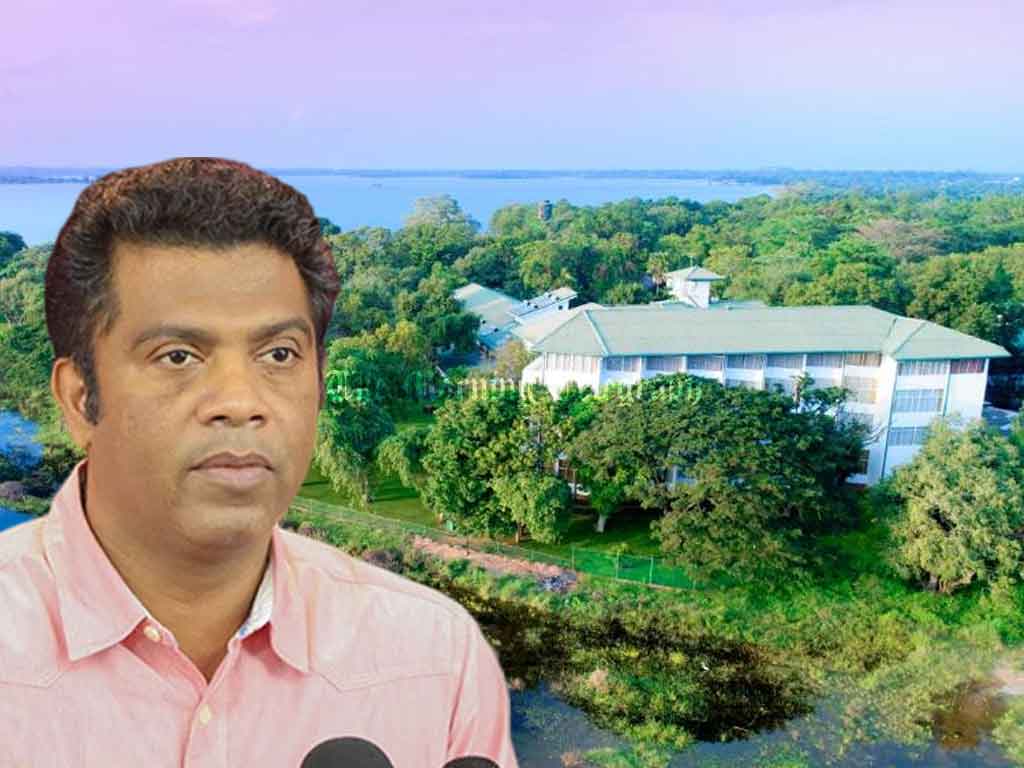
As Sri Lanka begins marking 48 major tanks as protected reserves, all eyes turn to Parakrama Samudra and the controversial “White Araliya” hotel allegedly owned by Dudley Sirisena. Minister Nalinda Jayatissa says the hotel’s fate remains uncertain, sparking public speculation and political tension.
In a move signaling a significant environmental and regulatory shift, the government has begun identifying and marking tanks as protected reserves 48 in total with 23 scheduled to begin the process in 2025, according to Cabinet Spokesperson and Minister of Health and Mass Media Dr. Nalinda Jayatissa.
The Minister clarified that while the iconic Parakrama Samudra tank in Polonnaruwa is not among the first 23 tanks, it is indeed one of the 48 identified for eventual designation as a reserve. The decision follows Cabinet approval to empower the Irrigation Department with legal authority and necessary resources to enforce the reserve markings.
This development, however, has reignited controversy over the “White Araliya” hotel, reportedly owned by businessman Dudley Sirisena, which is located within the Parakrama Samudra reserve zone. When pressed by journalists about the fate of the hotel, Minister Jayatissa declined to confirm ownership or provide clarity on whether the property would be subject to removal or regulation under the new conservation directives.
“I cannot say who owns what structures in those reserves or what specific action will be taken,” Jayatissa said, adding that such matters will be determined through future assessments and legal frameworks.
The issue gained traction after former MP and current Minister K.D. Lalkantha publicly declared that any encroaching structures including Dudley Sirisena’s hotel within the Parakrama Samudra reserve must be dismantled to uphold conservation integrity.
The government’s push to preserve key water bodies comes amid rising concern over environmental degradation, water resource protection, and alleged misuse of public land. With powerful names tied to these sensitive zones, the political stakes are high, and public demand for transparency is growing louder.
As the marking of reserves begins, the spotlight will remain firmly on Parakrama Samudra, both for its historic value and the questions surrounding the structures on its banks.