As illegal vehicle assemblies rise, a shocking arrest involving an MP’s son has sparked nationwide concerns. Find out how to detect fake chassis numbers and avoid costly legal trouble when buying a vehicle.
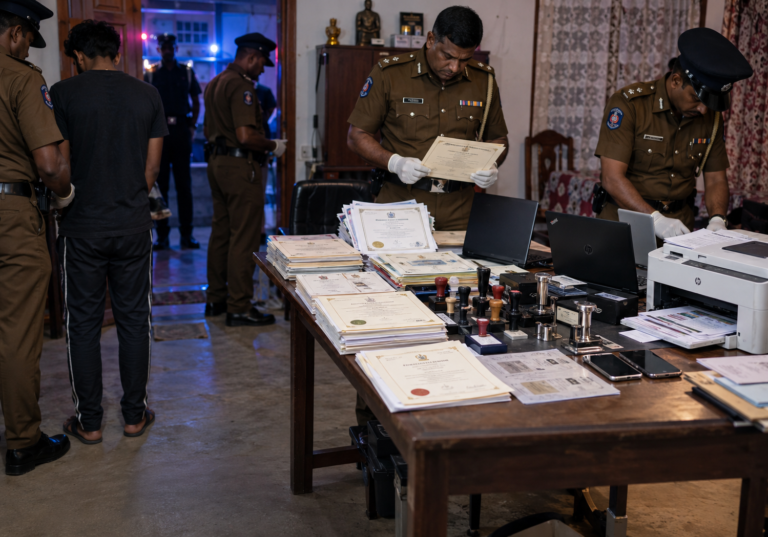
Several recent cases of vehicles being confiscated across Sri Lanka due to illegal assembly or modified chassis numbers have raised alarm. Among the most controversial was the arrest of Chamara Withana, son of Member of Parliament Jagath Withana, who was charged with possession of an illegally assembled vehicle.
What’s even more surprising is the MP’s claim in Parliament that he believed the vehicle was “super clean” since it came with a bank loan facility. “Even when you buy land, the presence of a bank loan gives you confidence. I felt the same because the bank had approved the facility,” he said. He added that after submitting the documents to the RMV, his company received the vehicle registration certificate in just four days.
This incident, and others like it, have stirred public anxiety. How can a buyer truly know if the vehicle they’re purchasing is illegally assembled or has a tampered chassis number?
To shed light on this, automobile engineer Lal Alawatta explained that with modern technology, detecting such fraud has become increasingly difficult. “Chassis numbers can be altered. Engine numbers too. You can weld parts from different cars so skillfully that it becomes untraceable. To truly find such issues, you’d need to dismantle the vehicle and inspect individual parts. This is a time-consuming and complex task,” he said.
Alawatta emphasized that most buyers lack the technical expertise to detect these problems. “We’re seeing more and more cases of cars assembled illegally, vehicles built from parts, and those with altered identifiers. Even with legal proceedings in place, many cases slip through due to the buyer’s limited knowledge,” he added.
So what does the law say about this?
According to Sri Lanka’s Motor Vehicles Act No. 9 of 2009, any motor vehicle that is assembled without proper authorization, constructed using non-original parts, or has had its design altered without the approval of the Commissioner General, is considered illegal. The act also covers vehicles with unauthorized chassis number changes and those failing to meet safety standards.
Under the Act, knowingly using such a vehicle is a punishable offense. A first-time offender can face a fine between Rs. 50,000 and Rs. 100,000, up to one month in prison, or both. Repeat offenders risk higher penalties: fines of up to Rs. 300,000 and up to six months in prison. The law also allows for the confiscation of the vehicle and legal action against the individual.
This growing trend of illegal vehicle assemblies is now affecting not just the general public but also high-profile individuals, shining a spotlight on regulatory shortcomings. Experts urge buyers to exercise caution, verify vehicle documents with the RMV, and consider professional inspection services before finalizing a purchase.
As the market for second-hand vehicles expands, so do the risks. Legal awareness and due diligence have become essential for anyone planning to buy a used car in Sri Lanka.