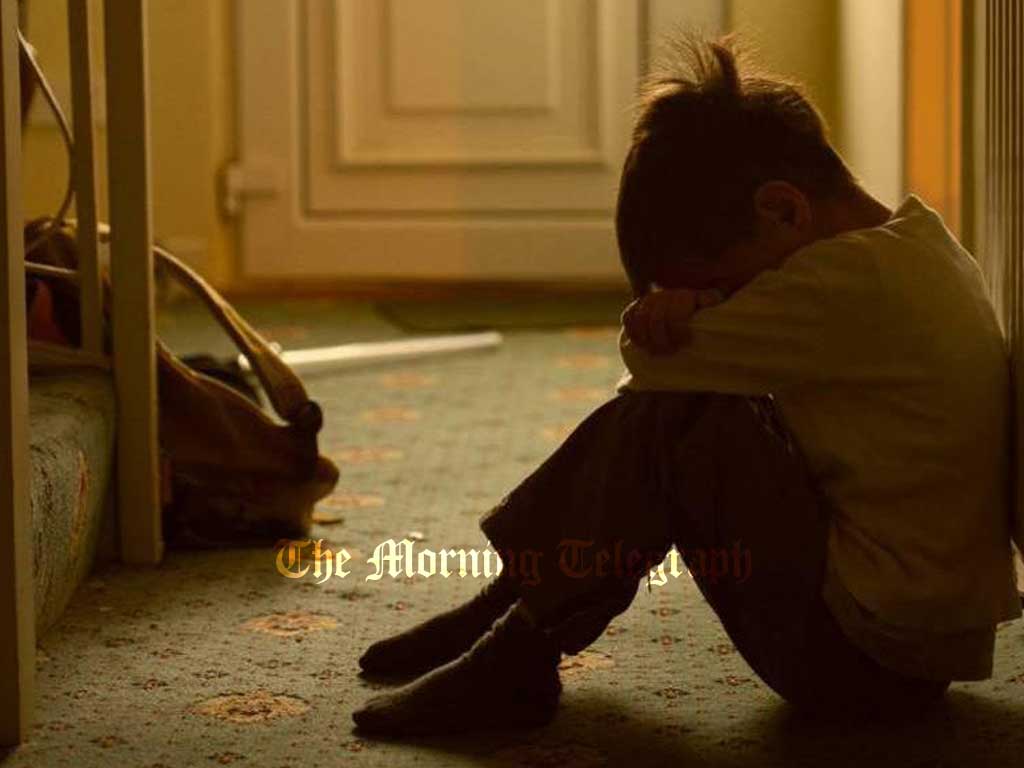
A comprehensive 2024 Ministry of Health survey has uncovered troubling realities about children’s mental well-being in Sri Lanka. While parents are vigilant in protecting their children from physical harm, many fail to safeguard their emotional health. Rising loneliness, diminished parent–child connection, lack of emotional outlets, and chronic sleep deprivation are driving children toward isolation, depression, and in some cases, self-harm. Experts warn that the nation’s focus must shift to preserving children’s hearts as much as their bodies.
In Sri Lanka, parents often proudly say they raised their children “without breaking an arm or a leg,” shielding them from injury, danger, and discomfort. They protect against rain, sun, and even minor accidents. But as mental health experts now point out, many children are emotionally unprotected—even in the most loving homes.
When children who have taken their own lives are examined in retrospect, families often discover that mental distress was present long before tragedy struck.
This reality was brought into sharper focus by the Ministry of Health’s 2024 nationwide school health survey, which revealed unsettling data on the emotional well-being of Sri Lankan children. According to Dr. Lakmini Magodaratne, Director of the Mental Health Directorate, 22.04% of children experience persistent loneliness, 7.05% have no close friend, and 75% have no one they trust to share mental distress with. Girls are more affected, with 25.04% reporting loneliness compared to 19.03% of boys.

Dr. Magodaratne notes that declining quality time between parents and children is a key driver of poor mental health. Many parents equate love with material provision clothes, food, and gifts, while neglecting the child’s deeper need for belonging. She advises that parents deliberately set aside time each day to engage with their children, ideally without distractions such as mobile phones or laptops.
Quality engagement, she explains, means asking open-ended questions that invite conversation, sharing in the child’s hobbies whether playing a game, listening to music, or watching a play and occasionally spending time outside the home together. “A child needs to feel seen, heard, and understood,” she stresses.
The survey also found that 11.09% of children sleep less than eight hours a night. Heavy tuition schedules, assignments, and relentless academic pressure are primary causes. With lessons stretching late into the night, students are left exhausted, with little time for socialising or rest. The competitive environment erodes friendship-building opportunities, leaving many without a close confidant to share personal struggles.
Poor mental health often manifests in behavioural and physical changes, Dr. Magodaratne warns. A previously calm child might become impulsive, aggressive, or withdrawn. Other signs include declining academic performance, frequent unexplained headaches or stomach aches, disinterest in personal hygiene, loss of appetite, or withdrawal from friendships. Recognising these early indicators and initiating supportive conversations can make a crucial difference.
To address the crisis, the Ministry of Health is implementing several initiatives. The Friend School program trains counsellor teachers and principals, while district-level psychiatrists run outreach efforts. The Dangerous Drugs Control Authority is also collaborating on awareness campaigns to prevent children with emotional vulnerabilities from turning to substance abuse.
Help is available for parents and children in distress. The National Mental Health Support Service hotline (1926) operates 24/7 in Sinhala, Tamil, and English. Additional services include the Lanka Life Line helpline (1375), the National Institute of Mental Health (+94 112 578 556 / +94 112 257 8234), Friends of Sri Lanka (+94 112 696 666), and the CCC Foundation helpline (1333).
“Compassion,” Dr. Magodaratne concludes, “is the best protection we can offer a child. It may not prevent every difficulty, but it can make the difference between a child breaking down and a child learning to heal.”