Sri Lanka’s ambitious Mannar wind power project, priced significantly lower than Adani’s offer, has been paused for a month as President Anura Kumara Dissanayake responds to local community concerns over environmental and social impact. The move could reshape national energy policy and investment strategy.
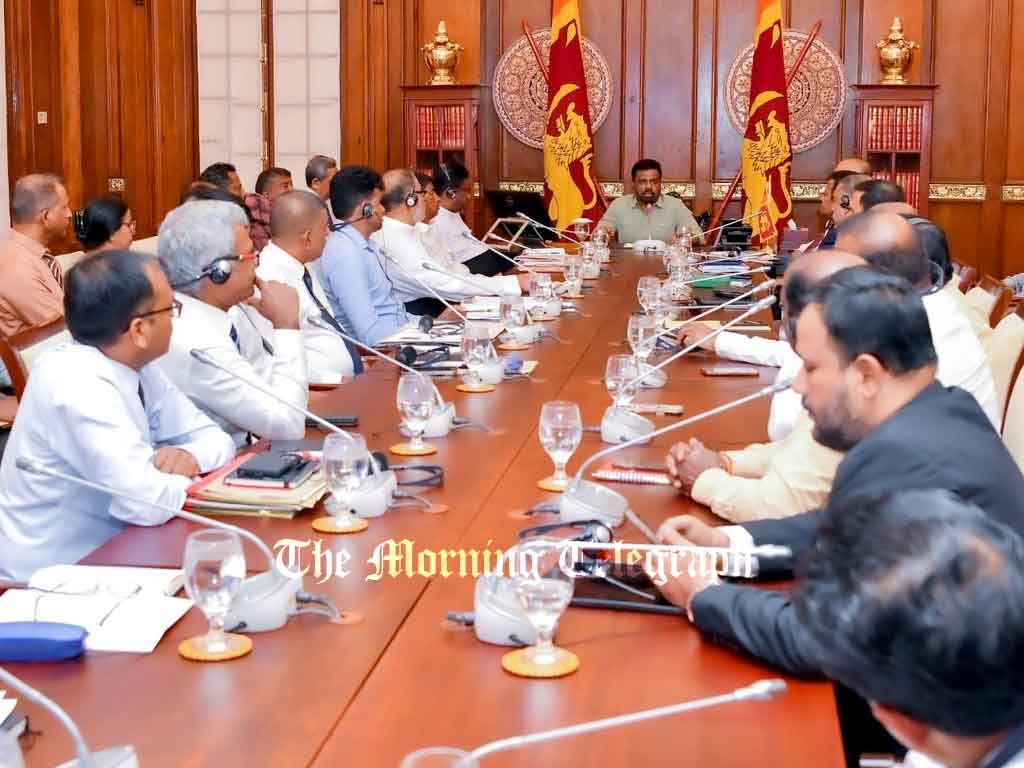
A crucial discussion on Sri Lanka’s proposed Mannar wind power project and its growing controversy was held yesterday afternoon (13) at the Presidential Secretariat under the patronage of President Anura Kumara Dissanayake. The meeting brought together key stakeholders to assess the project’s economic importance while also addressing public and environmental concerns raised by local communities.
At the heart of the conversation was the country’s urgent energy needs, the affordability of renewable energy, and the Mannar wind project’s potential impact on national production costs. Two wind power plants one already under construction at 20 MW and another proposed at 50 MW have now been temporarily suspended despite tenders being issued and contracts awarded. The pause will last one month as authorities examine concerns raised by residents in the Mannar region.
President Dissanayake emphasized that energy is a national resource not just a regional asset and affects everything from household electricity bills to foreign investment and industrial growth. He affirmed the government’s willingness to listen to the voices of the people and resolve project-related grievances before moving forward.
Community representatives, including religious leaders, highlighted serious concerns over both the Mannar wind power and ilmenite mining projects. They warned of environmental damage and adverse effects on daily life. In response, the President confirmed that no project would proceed without approval from the Central Environmental Authority and acknowledged past failures to properly implement environmental impact recommendations.
The President ordered a one-month suspension of the wind project to conduct a detailed review of the issues raised. During this period, the government will seek to identify problems and provide rapid, practical solutions.
A key revelation during the meeting was the striking cost difference between the proposed Mannar wind power project and the previously considered Adani project. The Adani Group’s power purchase price was USD 0.0826 per unit (approximately LKR 25), whereas the current wind project’s rate stands at just USD 0.0465 per unit (approximately LKR 13). President Dissanayake reaffirmed the government’s intent to maintain the average unit cost of electricity production at LKR 13 to ensure national affordability and attract investment.
The President also announced that funding from the upcoming national budget would be allocated for two major infrastructure projects in the north: the renovation of the Kokkilai Bridge and the launch of a new Mannar water supply scheme.
Meanwhile, Energy Minister Kumar Jayakody revealed that the Land Reclamation Department has been tasked with assessing any flood risks the wind power plant might pose to the Mannar region. To resolve broader land-related issues, several key agencies including the Department of Wildlife Conservation, Forest Department, Mahaweli Authority, Ministry of Lands, and Ministry of Environment are preparing a joint report with proposals on managing northern land use.
The meeting was attended by Northern Province religious leaders, Minister of Energy Kumar Jayakody, Deputy Minister of Cooperative Development Upali Samarasinghe, Members of Parliament from both the government and opposition representing the north, Secretary to the Ministry of Energy Professor Udayanga Hemapala, civil society representatives from Mannar, and other government officials.
The President concluded by reaffirming that consensus is essential for any development initiative. He reiterated the government’s readiness to find solutions that respect both economic growth and the rights of affected communities.