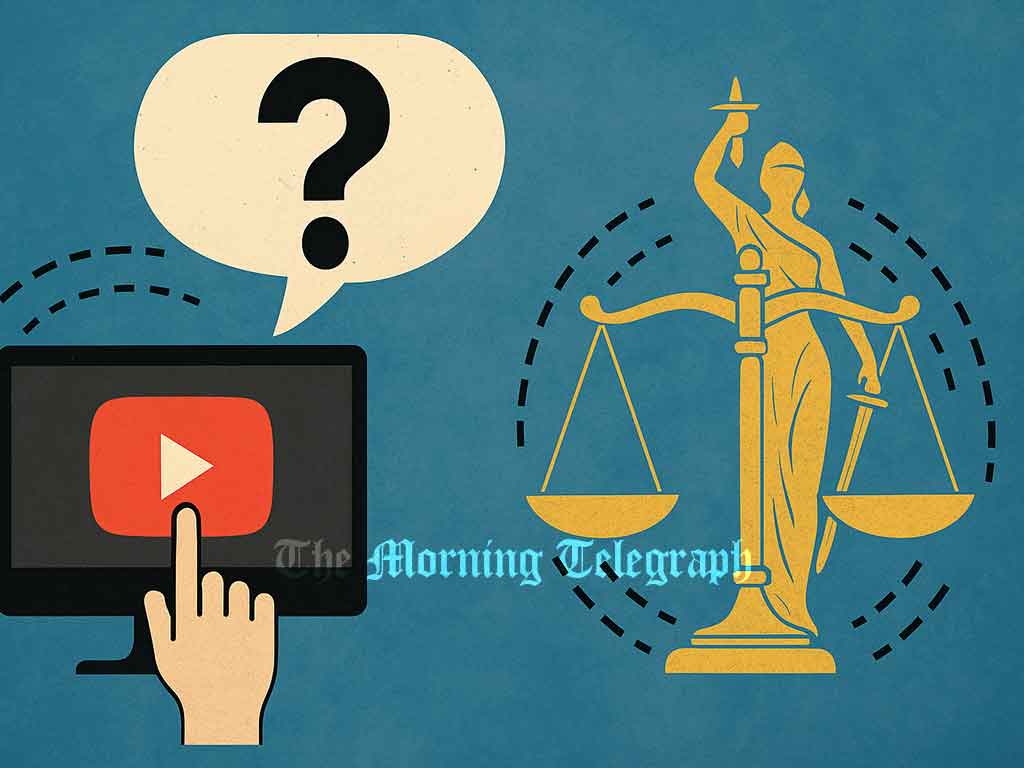
The Bar Association of Sri Lanka has fired back at YouTubers and social media pundits who think they can predict court verdicts, warning that such antics erode judicial independence, mock the rule of law, and could even land offenders in hot legal trouble.
The Bar Association of Sri Lanka has raised alarm over the growing trend of self-proclaimed legal experts and political commentators on YouTube and other social media platforms making bold predictions about court rulings. Issuing a strongly worded statement, the BASL stressed that such interference undermines the rule of law, threatens judicial independence, and erodes public trust in the legal system.
The statement notes that these reckless remarks are often aimed at the Judicial Service Commission and other independent bodies under the judiciary’s purview. The Judicial Service Commission, comprising the Chief Justice and two senior Supreme Court judges, is tasked with overseeing judicial appointments, promotions, transfers, and disciplinary measures. By attempting to sway public perception on case outcomes, these so-called “digital prophets” are effectively attacking the credibility of the entire judicial framework.

The BASL emphasized that the judiciary must remain free from outside manipulation to uphold due process and safeguard citizens’ rights and freedoms. It warned that casual public statements and YouTube commentaries disguised as predictions amount to a direct threat to the sanctity of the courts. Such actions, the BASL reminded, may carry serious legal repercussions under Article 111 (C) (1) and (2) of the Constitution, with offenders potentially facing punishment for interference in the judiciary.
In short, the BASL has sent a clear message: verdicts are delivered in courtrooms, not live-streamed prediction shows.