From Indira Gandhi’s meddling in 1980 to today’s recycled outrage over Ranil Wickremesinghe, Sri Lanka has long been a convenient stage for foreign voices to grandstand, though history shows they rarely change anything except headlines.
UNP Chairman Vajira Abeywardena recently claimed that three presidents of foreign countries had inquired about the arrest of former President Ranil Wickremesinghe. Pro-UNP media outlets and Wickremesinghe’s social media supporters amplified the claim, even suggesting India had expressed regret. They cited comments made by Congress politician Shashi Tharoor condemning the arrest, while former Norwegian Minister Erik Solheim and ex-Maldivian President Mohamed Nasheed also joined the chorus of disapproval.
Meanwhile, UNP representatives, joined by former Minister G.L. Peiris, met with Chinese, Indian, and US ambassadors in Colombo, briefing them on the supposed threat to democracy posed by Wickremesinghe’s arrest. Yet sources inside the Presidential Secretariat maintained that no foreign leader had actually spoken to the President, raising doubts about the accuracy of these dramatic claims.

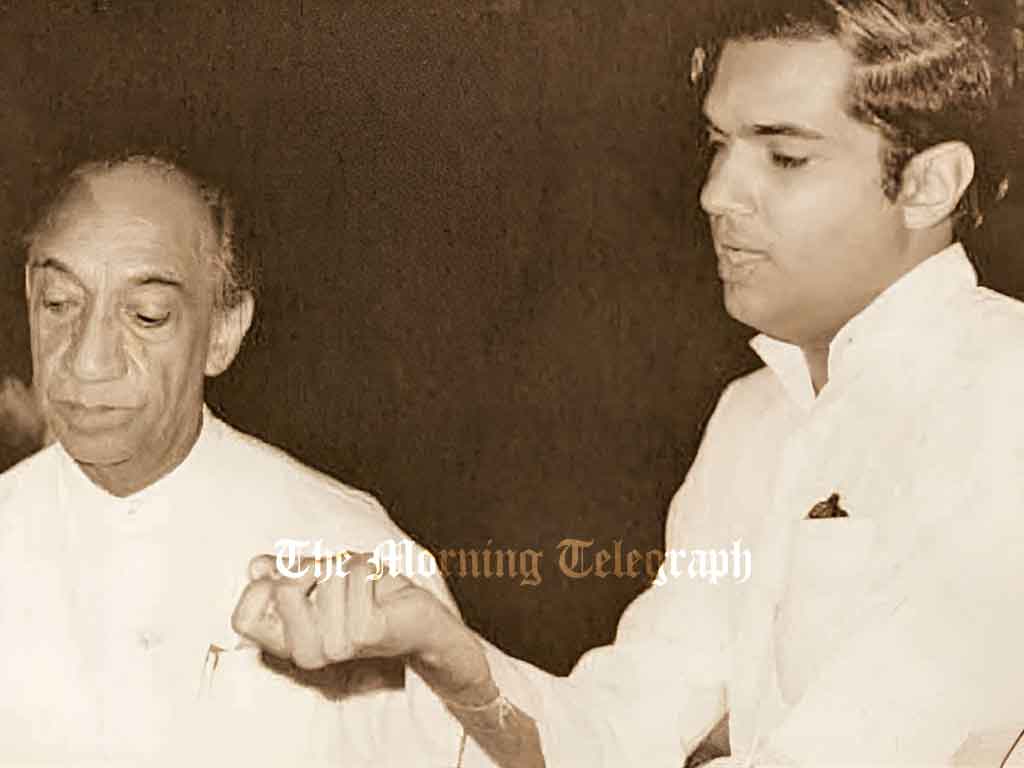
Wickremesinghe himself once maintained that it was inappropriate for one country to criticise another’s actions against opposition leaders. His position was clear during his time as Deputy Minister of Foreign Affairs. The precedent dates back to 1980, when J.R. Jayewardene’s government revoked the civic rights of Sirimavo Bandaranaike, provoking criticism from Indian Prime Minister Indira Gandhi. As J.R.’s biography records, Gandhi even telephoned Bandaranaike to console her and granted Anura Bandaranaike an audience in New Delhi, a move that shocked Colombo’s political establishment.
Gandhi then escalated matters with a press conference in New Delhi, denouncing the Sri Lankan government’s actions and claiming Bandaranaike’s family was being harassed. J.R. dismissed her intervention as an emotional outburst, rooted in her own political grievances with India’s Janata government. The Indian Ministry of External Affairs quickly backtracked, clarifying that Gandhi was expressing her personal views and not official Indian policy. Even within India, her actions were seen as reckless, jeopardising good relations with one of the few South Asian countries still friendly toward New Delhi.
Colombo’s official response was carefully managed. Neither J.R. nor the Prime Minister spoke out directly. Instead, the task fell to Ranil Wickremesinghe, then the youngest member of the Cabinet, who rebutted Gandhi’s claims and highlighted how misinformed she had been, noting that Bandaranaike’s brother had in fact just been promoted to President of the Court of Appeal. Far from damaging J.R.’s ambitions, Gandhi’s intervention accelerated his push for closer ties with ASEAN. Foreign Minister A.C.S. Hameed warned that such moves might offend India, but J.R. pressed ahead, determined to expand Sri Lanka’s global connections.
The fallout was permanent. Relations between J.R. and Indira Gandhi never recovered, poisoned by her poorly calculated interference and Colombo’s calculated indifference. The episode left India cautious, teaching New Delhi to avoid overt comments on Sri Lanka’s internal politics.
Now, decades later, the same tired script is playing again. Foreign figures issue symbolic statements, pro-UNP media amplifies them as if they were game-changing, and Colombo listens to echoes of outrage that serve little more than political theatre. For Sri Lankans, it is a familiar lesson: foreign interventions make noise, but they rarely change the realities of power at home.