Sri Lanka enters the final quarter of 2025 standing at a precarious crossroad. Once known as the “Pearl of the Indian Ocean,” the island is now navigating political disillusionment, cultural conflict, economic fragility, and international dependence. The question haunting its people is simple yet profound: what is the future of Sri Lanka? The answer lies not only in systems and structures but in the individuals who currently influence the country’s direction.
Politics: The Past Still Haunts the Present
President Anura Kumara Dissanayake, who rose to power under the National People’s Power (NPP) banner, promised to chart a new path free from corruption and dynastic politics. Yet his administration, despite good intentions, is being tested by the harsh realities of governance. He faces pressure not just from the people but from a sharp opposition led by Sajith Premadasa of the Samagi Jana Balawegaya (SJB), who continues to capitalize on the government’s failures and unfulfilled promises.
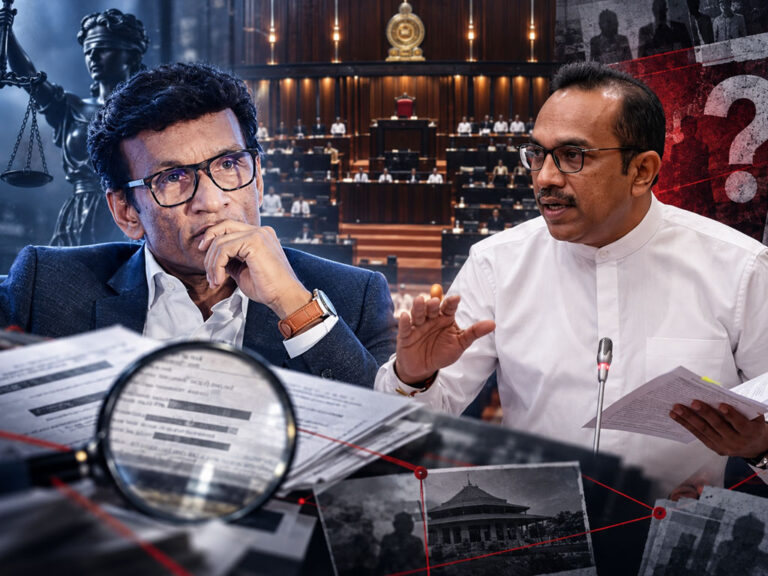
Meanwhile, the ghosts of Sri Lanka’s recent past still wield influence. Former President Ranil Wickremesinghe, who became a caretaker leader during the chaos of 2022, is no longer in office but remains a political figure whose networks endure. The Rajapaksa family, Mahinda, Gotabaya, and Basil Rajapaksa, though diminished in formal power, still loom large in political discourse, their legacy tied to both infrastructure achievements and accusations of corruption and authoritarianism. Former President Maithripala Sirisena is again under scrutiny over misuse of public property, reinforcing the idea that Sri Lanka’s political class remains plagued by recycled scandals.
The public, weary of repeating cycles of betrayal, is watching carefully. The failure to break from this old political culture threatens to drag the nation deeper into stagnation.

Economy: Stabilization Without Relief
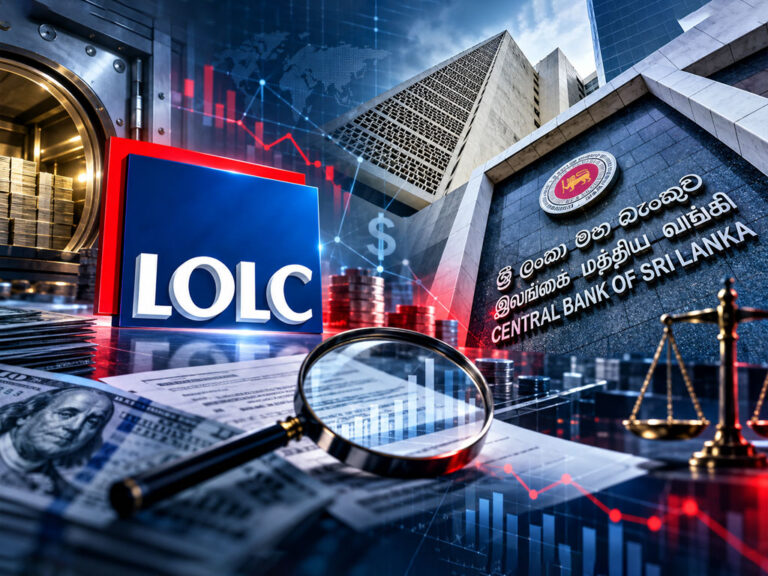
Sri Lanka’s economy remains tethered to the International Monetary Fund (IMF), with Finance Ministry officials like Dr. Harshana Suriyapperuma defending painful debt restructuring deals. Yet critics, including Duminda Nagamuwa of the People’s Struggle Alliance, warn that these agreements are little more than temporary lifelines that delay a harsher reckoning.
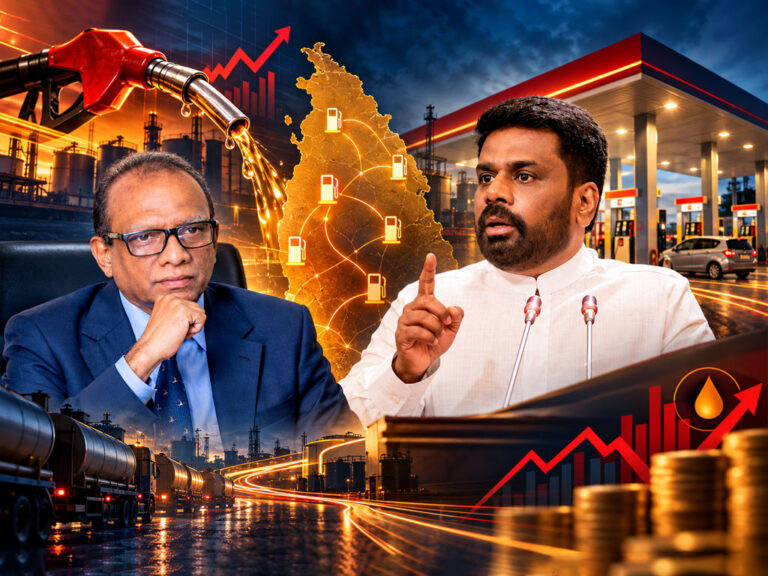
Foreign reserves remain stuck just above six billion dollars, with the government under immense pressure to increase them to over seven billion by year’s end. The reality for ordinary people is grim: electricity tariffs rise amid Ceylon Electricity Board (CEB) restructuring battles, food prices fluctuate wildly, and scandals involving onion and potato imports expose systemic corruption within the Ministry of Finance. For the average Sri Lankan family, the “stability” politicians speak of is nowhere to be found. Hunger, debt, and insecurity define daily life.
Culture: Conservatism Versus Change
Culturally, Sri Lanka is witnessing a sharp divide. Cardinal Malcolm Ranjith, Archbishop of Colombo, has positioned himself as a strong critic of same-sex marriage proposals and what he sees as the erosion of traditional values. His views echo conservative segments of society but clash with the aspirations of a younger, globalized generation seeking inclusivity, equality, and reform.
Figures such as Harini Amarasuriya, now serving as Prime Minister and Minister of Education, represent an effort to channel the spirit of the Aragalaya youth movement into policymaking. Yet her presence in leadership also highlights the immense tension between entrenched conservatism and progressive ideals. Whether Sri Lanka will embrace pluralism or remain anchored in rigid orthodoxy remains an open question, one that will shape its cultural identity for decades.
International Relations: Pawns in a Larger Game
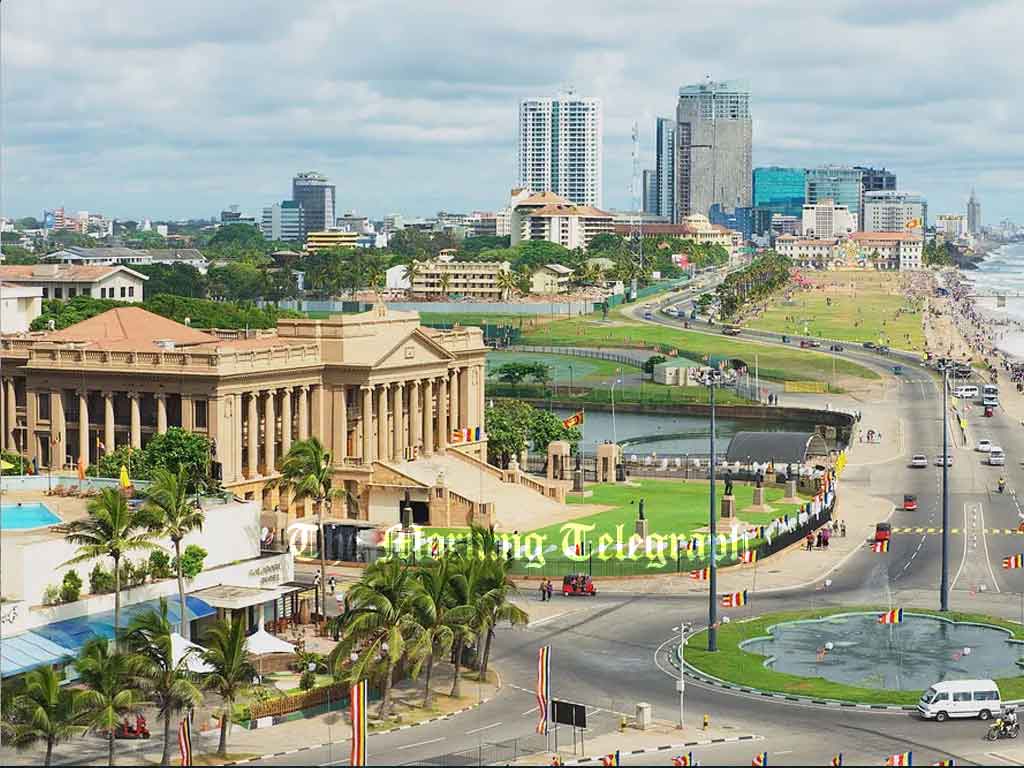
On the global stage, Sri Lanka finds itself walking a delicate tightrope. Indian Prime Minister Narendra Modi has pushed for closer defense and security ties, while China maintains deep influence through debt and strategic projects like Hambantota Port and Colombo Port City. The United States, represented by Ambassador Julie Chung, continues to press for democratic accountability and governance reform, often clashing with domestic political realities.
Sri Lanka’s dependence on foreign creditors and international bondholders exposes its fragility. Instead of shaping its own foreign policy destiny, Colombo is often forced to maneuver between competing external powers. The country risks becoming a pawn in a geopolitical struggle rather than a confident actor defining its own path.
What is the Future of Sri Lanka?
The future of Sri Lanka will depend on whether its current leaders, Anura Kumara Dissanayake, Sajith Premadasa, Harini Amarasuriya, and others can step out from the shadow of Ranil Wickremesinghe, the Rajapaksa family, and Maithripala Sirisena. The nation cannot afford to recycle leaders whose legacies are tied to corruption, authoritarianism, or paralysis.
Sri Lanka’s people, its youth, civil society, and diaspora remain its greatest source of strength. They are resilient, creative, and hungry for change. But resilience alone cannot build a future. Leadership must match the courage of its citizens. Political courage is needed to break free from old patronage networks. Economic courage is required to move beyond IMF prescriptions toward sustainable growth. Cultural courage is essential to embrace diversity and inclusivity. Diplomatic courage must ensure that Sri Lanka negotiates from dignity rather than desperation.
If current leaders rise to this challenge, Sri Lanka could reinvent itself as a nation that transcends its past, a country that blends tradition with progress, and one that reclaims its rightful place on the world stage. If they fail, the nation risks further decline, its immense potential suffocated by the weight of its own history.
The choice is stark: reinvention or ruin. The world is watching, but more importantly, Sri Lankans themselves are watching and waiting.