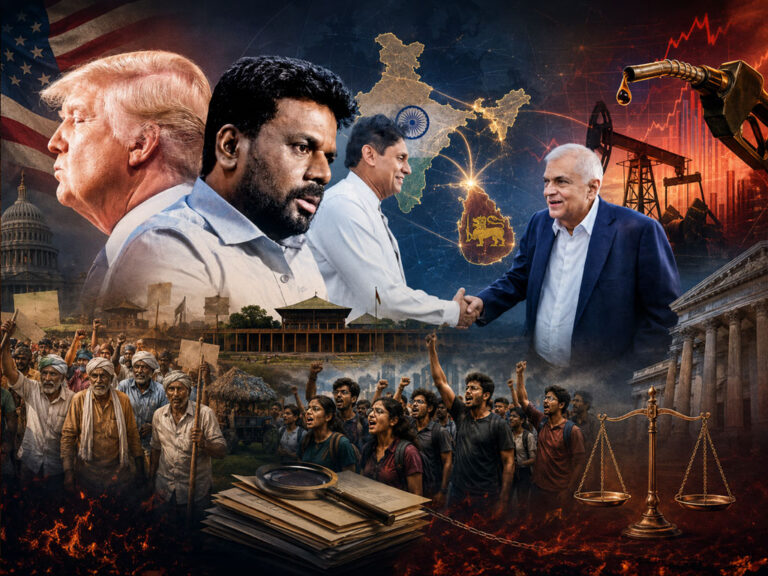
A century-old island dispute nears its climax as India’s Supreme Court readies a final ruling on September 15, while Sri Lanka’s president asserts full sovereignty over Katchatheevu. The outcome could reshape regional politics and reignite nationalist sentiment on both sides of the Palk Strait.
For decades, the tiny island of Katchatheevu just 285 acres of scrubland and sand in the Palk Strait has carried outsized political weight. Located almost equidistant between Sri Lanka’s Delft Island and India’s Rameshwaram, the rocky outpost has long been a flashpoint of tension, blending questions of sovereignty, religion, and marine resources into one of South Asia’s most enduring territorial disputes.
The controversy returns to center stage on September 15, when India’s Supreme Court delivers its final hearing on a petition originally filed by M. Karunanidhi, the late Tamil Nadu leader, who argued that India’s 1970s handover of Katchatheevu violated the constitution by bypassing state authority.

A Legacy of Contentious Claims
The dispute first surfaced in the early 20th century, when both Colombo and New Delhi asserted claims over the island. India leaned on cultural and religious ties, pointing to centuries-old pilgrimages by South Indian Catholics to St. Anthony’s Church on Katchatheevu. Tamil Nadu leaders also argued that the island was once under the Ramanathapuram dynasty’s domain.
Sri Lanka countered with deeper historical claims. From Jaffna kings dispatching men to harvest tortoises for royal feasts, to a 1766 treaty that saw the Dutch formally control Katchatheevu before passing it on to the British and then the Crown of Ceylon, Colombo insisted that sovereignty had always been firmly rooted in the north of the island.
The 1974 and 1976 Agreements
The tug-of-war ended at least legally in 1974, when Indian Prime Minister Indira Gandhi and Sri Lankan Prime Minister Sirimavo Bandaranaike signed an agreement confirming Katchatheevu as part of Sri Lanka. A follow-up deal in 1976 banned cross-border fishing rights, prohibiting Indian fishermen from Sri Lankan waters and vice versa.
But Tamil Nadu’s leaders never accepted the decision. Successive chief ministers, including current CM M. K. Stalin, have pressured New Delhi to “reclaim” the island, often using the issue to rally support during election cycles.
The Current Moment
As Prime Minister Narendra Modi prepares for his third term, his April 2025 visit to Colombo reignited calls from Tamil Nadu to retake Katchatheevu. The timing is explosive: India’s Supreme Court case is now in its final stage, debating whether the central government had the constitutional authority to cede the island without consulting Tamil Nadu.
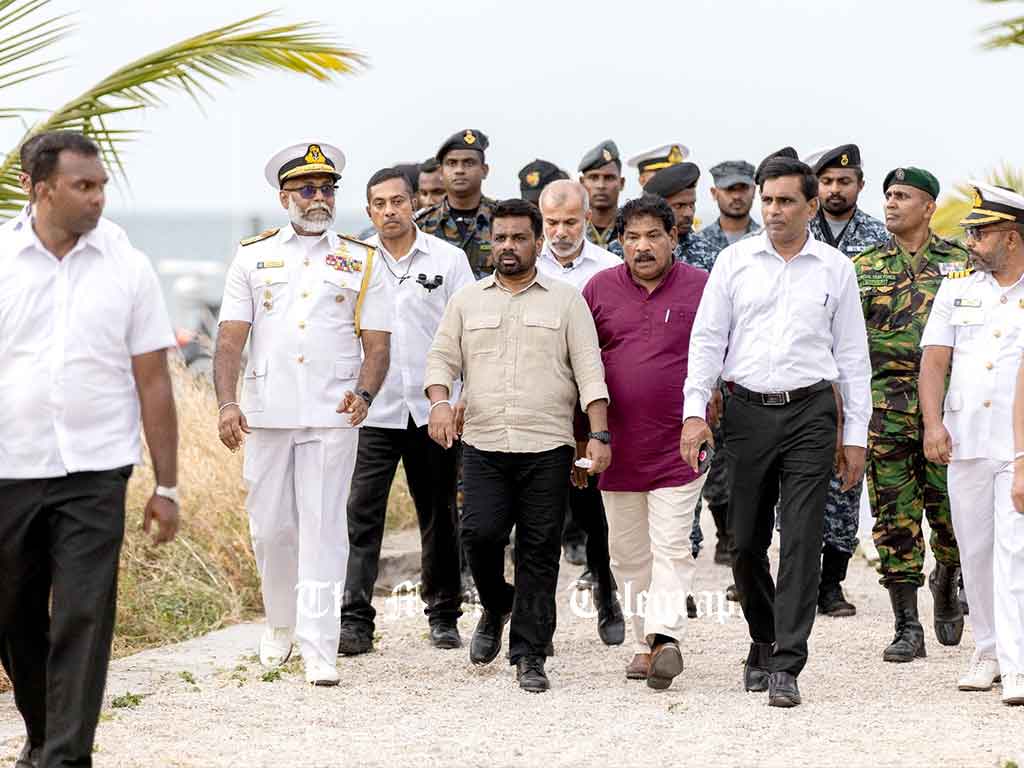
Meanwhile, Sri Lankan President Anura Kumara Dissanayake has doubled down, stressing Colombo’s commitment to retaining every inch of territory and framing the Katchatheevu debate as an attempt to destabilize bilateral relations.
Beyond Symbolism
Though only a sliver of land, Katchatheevu holds immense practical value. Rich fishing grounds, potential petroleum and gas deposits, and centuries of maritime trade make the island far more than symbolic real estate. For communities in both Rameshwaram and Jaffna, Katchatheevu is tied to livelihood, faith, and identity.
The Verdict Ahead
As September 15 approaches, the Supreme Court’s ruling could spark nationalist fervor in Tamil Nadu or reinforce Sri Lanka’s historical position. Either way, the judgment will reverberate across the Palk Strait, testing India–Sri Lanka ties and shaping how both countries navigate sensitive territorial disputes in an increasingly volatile region.