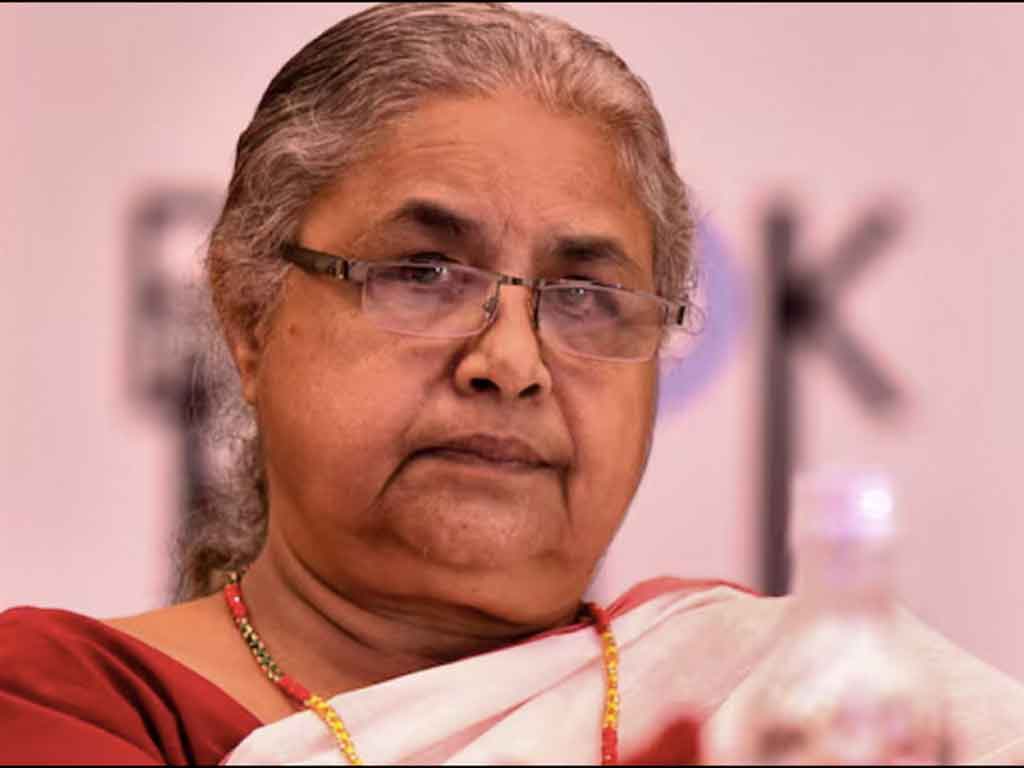
Sushila Karki, Nepal’s first female chief justice, has been sworn in as interim prime minister after a historic wave of anti-corruption protests toppled the government, leaving more than 50 people dead and reshaping the nation’s political future.
Nepal has entered a new chapter in its turbulent political history with the appointment of Sushila Karki as interim prime minister. At 73, Karki has become the first woman to lead the Himalayan nation, taking office after violent mass protests forced the resignation of Prime Minister KP Sharma Oli. Her rise to power was made possible through a fragile compromise between President Ram Chandra Poudel, legal experts, and leaders of the Gen Z movement that spearheaded the demonstrations.
The protests were ignited by the government’s sudden decision to ban 26 social media platforms, including WhatsApp, Instagram, and Facebook. The ban triggered outrage among young Nepalis who had already been simmering with anger over corruption, nepotism, and the lavish lifestyles of politicians’ children. Within days, the unrest spiraled into a full-scale anti-government uprising. Parliament and government offices were set on fire, the Supreme Court building was attacked, and more than 50 lives were lost in bloody clashes with riot police. By Tuesday, Oli was left with no option but to step down.

President Poudel confirmed on Friday that Karki would be sworn in as interim leader. Parliament was dissolved the same evening, and fresh elections have been scheduled for March 5 next year. Karki will now lead a transitional government tasked with steering Nepal through one of its worst crises in decades.
Karki, widely respected for her integrity, was chosen as a compromise candidate supported by student leaders and Gen Z activists. Many see her as the only figure capable of restoring order while also reassuring citizens who demand sweeping reforms. She is expected to appoint her cabinet within days, though she faces an uphill battle to win trust from both protesters and political elites.
The immediate challenges before her are daunting: restoring law and order in Kathmandu and across the provinces, rebuilding government institutions and parliament that were destroyed in the protests, and addressing the fears of citizens who believe Nepal’s fragile democracy could unravel. Another key responsibility will be to bring perpetrators of the violence to justice, ensuring accountability for the destruction and deaths.
The army played a pivotal role in brokering the deal that paved the way for Karki’s appointment. Military patrols remain a visible presence on the streets of Kathmandu, where restrictions are still in place despite temporary relaxation to allow residents to purchase food and essential supplies. For many, the images of soldiers guarding a battered capital symbolize the fragility of Nepal’s political order.
Karki’s career trajectory is remarkable. Born into a family close to the Koirala political dynasty, she married Durga Subedi, a prominent party leader, who she has often credited as a key influence in her journey from lawyer to Nepal’s first female chief justice in 2016. Her nearly 11-month tenure as chief justice was not without controversy, including an impeachment attempt, but she emerged with a reputation for courage and independence. That reputation now underpins her new role at a moment of national reckoning.
Her appointment has electrified the youth movement. Gen Z activists, who coordinated much of the protests through online platforms like Discord and livestreams, are celebrating her rise as the first tangible victory of their campaign. Many view her leadership as the first step in dismantling the entrenched political elite and ushering in a new era of accountability. “This is the new Nepal we fought for,” one activist posted on social media, echoing the jubilant mood among protesters.
On Tuesday, Karki made a symbolic gesture by visiting the protest site in Kathmandu where 19 people were killed in clashes with police the day before. She also met with the injured being treated in hospital, an act that drew praise from both activists and ordinary citizens.
Still, challenges loom large. While her clean image has earned widespread support, her interim government must navigate between the youthful energy of Gen Z protesters and the entrenched power networks of Nepal’s political class. The social media ban that sparked the unrest may be lifted, but the deeper discontent with corruption, nepotism, and mismanagement remains unresolved.
For Nepal, Karki’s appointment signals both hope and fragility. Hope, because a woman of integrity now leads the country at a time of crisis. Fragility, because the structural weaknesses that brought Nepal to this breaking point have not been fixed. Whether this moment becomes a turning point or a temporary reprieve will depend on how effectively Karki can balance law, justice, and reform in the coming months.
As the world watches, Nepal’s youth see their uprising as more than just political defiance. For them, it is about shaping a new national identity built on transparency, accountability, and equality. And in Karki, they believe they may have found the leader to guide them there.