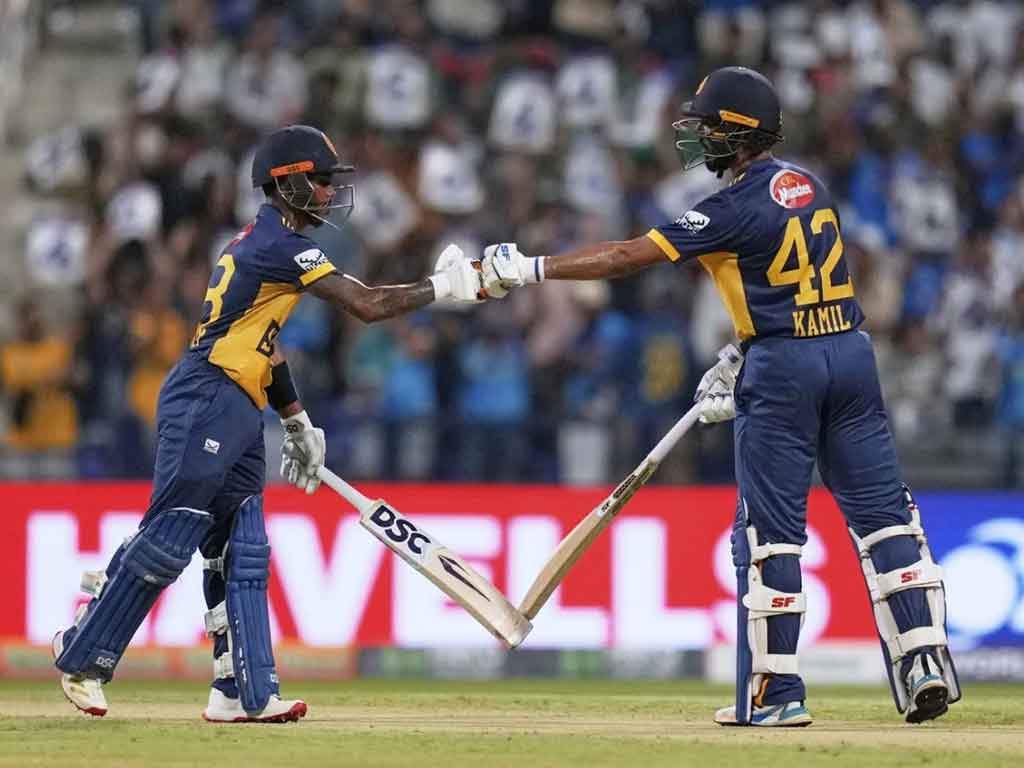
Sri Lanka stormed past Bangladesh with a six-wicket win, powered by a fiery new-ball assault and clinical batting, to claim vital points and a huge net run rate boost in the Asia Cup 2025.
Bangladesh were restricted to just 139 for 5 after collapsing to 0 for 2 at the start of their innings, and Sri Lanka chased the target with 32 balls to spare, finishing at 140 for 4. It was a complete performance from Sri Lanka, who collected two valuable points and significantly strengthened their chances of progressing to the Super Four stage.
The match began in dramatic fashion. Nuwan Thushara and Dushmantha Chameera set the tone with back-to-back wicket maidens using the new ball, dismantling Bangladesh’s top order and leaving them reeling. Openers Tanzid Hasan and Parvez Hossain Emon lasted just ten balls between them without scoring, undone by swing and pace. Litton Das briefly steadied the innings with a 26-ball 28 that included three boundaries in the powerplay, but a poor run-out of Towhid Hridoy in search of a third run halted their momentum further.

At 53 for 5 in the tenth over, Bangladesh looked in danger of collapsing to an even lower total. But Shamim Hossain and Jaker Ali produced an unbroken sixth-wicket stand of 86 that dragged their side to a respectable score. Shamim finished with 42 not out, including the only six of the innings off Matheesha Pathirana, while Jaker added 41 not out. Both batted at strike rates in the 120s, facing long periods without boundaries as Sri Lanka’s bowlers maintained control.
Wanindu Hasaranga, making his comeback, picked up 2 for 25 and almost had a third when a wrong’un kissed Jaker’s off stump but failed to dislodge the bails. Thushara and Chameera were outstanding, both returning figures of 4-1-17-1 with precision yorkers at the death. Pathirana, however, was the most expensive, conceding 42 runs in his four overs, with pace onto the bat proving easier to hit.
Defending 139, Bangladesh needed early breakthroughs to stay in the contest, but Pathum Nissanka quickly ensured the chase never looked difficult. Playing with fluency and control, Nissanka raced to 50 off 34 balls and in the process became the fastest Sri Lankan to reach 2000 T20I runs. His timing and placement allowed Sri Lanka to dominate the powerplay, while Kamil Mishara anchored the innings with maturity. Mishara remained unbeaten on 46 from 32 balls, striking confidently and ensuring there were no stumbles in the chase.
Mahedi Hasan offered Bangladesh a glimmer of hope with figures of 2 for 29, but his efforts were never enough against a batting lineup that looked composed and focused. Sri Lanka reached the target at 140 for 4 with more than five overs remaining, underlining the gulf in performance on the day.
This result continues the see-saw rivalry between the two sides. Coming into the game, Bangladesh and Sri Lanka were tied 8-8 in T20Is over the past decade, raising expectations of a tight contest. Instead, it turned into a one-sided affair, with Sri Lanka’s dominance in both bowling and batting proving decisive.
For Bangladesh, the defeat was another setback after being criticised for their slow chase against Hong Kong. Their inability to adapt to conditions and shaky batting now leaves them with a steep climb to qualify for the Super Four. For Sri Lanka, the win not only brought points but also delivered a major net run rate boost in what is widely seen as the “group of death.”
With Nissanka in sublime form, Mishara showing composure beyond his years, and bowlers like Thushara, Chameera, and Hasaranga firing together, Sri Lanka look well-poised to make a deep run in the Asia Cup.