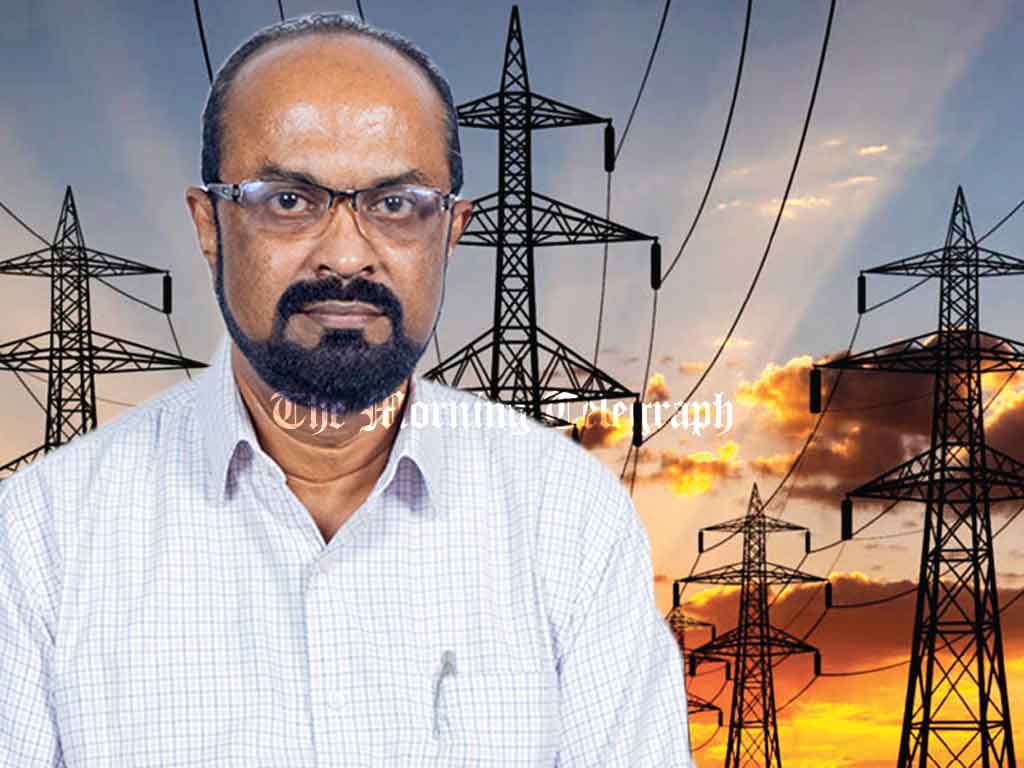
Energy Minister Kumara Jayakody insists that employees of the Ceylon Electricity Board must accept the restructuring plan, which merges them into four state-owned companies, or step aside — a move he frames as securing jobs rather than cutting them.
Energy Minister Engineer Kumara Jayakody has issued a blunt directive to the 23,000 employees of the Ceylon Electricity Board (CEB): join the four newly created state-owned power companies or resign. Speaking at a media briefing at the Government Information Department, he explained the restructuring of the CEB under the amendments to the Sri Lanka Electricity Act, stressing that all positions would be secured within these Treasury-owned institutions.
“All employees have been informed by now, and if any employee does not want to join these institutions and serve, they can resign from their service at their own will,” Jayakody stated. He emphasized that this is not a government-driven attempt to send workers home, but a legal requirement to safeguard both jobs and national energy security.

The Minister also revealed that without these reforms, over 12,000 CEB employees would have been forced out after August 17 under previous cabinet decisions, which included breaking up the board into 12 separate entities. “If we had not made these amendments, 12,000 employees would be at risk of losing their jobs. Instead, we are protecting all employees by placing them under four government-owned companies,” he explained.
Jayakody framed the move as both pragmatic and necessary, highlighting the government’s responsibility to secure the future of every worker while ensuring the stability of Sri Lanka’s energy sector. He further appealed to employees to view the reforms as a safeguard rather than a threat, insisting that the government is prioritizing energy security for the nation.
The restructuring plan, however, has sparked unease among unions and employees who remain skeptical about long-term job security and fear hidden privatization moves. The Minister dismissed such concerns, reiterating that the Treasury will retain 100 percent ownership of the four new companies.