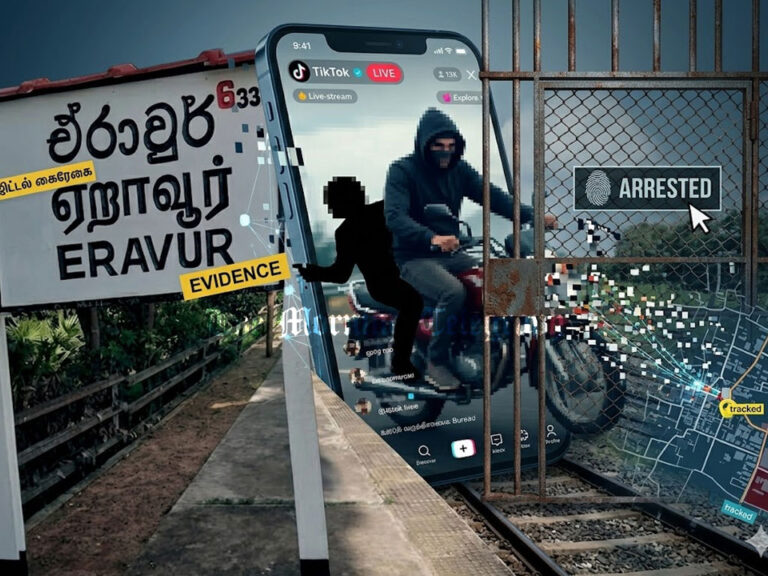
From tourist escorts to scam operations, Sri Lanka’s booming online prostitution market is raising alarm, with police scrambling to curb a shadow industry thriving on apps, encrypted chats, and digital payments.
Sri Lanka is facing a surge in online prostitution, with police warning that the digital sex trade is expanding at an unprecedented pace. Authorities say hundreds of daily listings now appear across websites and mobile apps, offering services ranging from live video sessions to full escort packages.
Investigations reveal that tourists on short-term visas are actively involved, alongside locals, highlighting a dangerous new dimension to the industry. Prices vary widely: a so-called “Thai full body massage” can be booked for around Rs. 10,000, while live online shows range from Rs. 1,000 for 10 minutes to Rs. 10,000 for half an hour. In-person meetings, meanwhile, are advertised at rates between Rs. 8,000 and Rs. 30,000.

Unlike traditional brothels and spas, the online trade allows operations to remain hidden, with service providers relying on encrypted messaging apps such as WhatsApp and anonymous digital payments to connect with clients. This cloak of secrecy complicates police monitoring efforts, enabling not only prostitution but also scams in which clients are tricked into paying for services that never take place.
Victims rarely file complaints due to fears of social stigma or public exposure, which traffickers exploit. In 2021, police dismantled a child sex trafficking ring tied to online platforms, arresting 32 people, including website operators, politicians, and even a former Maldivian state minister of finance. The case revealed the scale of influence and money behind the trade.
Rising living costs and dwindling job opportunities are fueling the growth of online prostitution, with many young women turning to digital platforms to earn an income. Police say most involved are between 18 and 27 years old, though disturbing cases of underage girls have been reported.
Recent incidents highlight the trend’s disturbing reach. In Horana, a 23-year-old woman and her 25-year-old husband were arrested for producing and distributing live sex videos online, allegedly targeting viewers as young as 16. They were later released on bail. Police spokesperson ASP F.U. Wootler confirmed that authorities are intensifying crackdowns, warning that sexual exploitation of minors constitutes statutory rape, punishable by up to 20 years in prison.
Foreign nationals on tourist visas have also entered the trade, raising questions about border monitoring and immigration enforcement. Meanwhile, environmental changes such as the January 2024 Online Safety Act are giving authorities more tools. The Act established an Online Safety Commission tasked with regulating online content, removing harmful material, and prosecuting those involved in prohibited online activities, including digital sex work and exploitation.
Despite these efforts, critics argue that enforcement lags behind the speed of technological adaptation. With apps offering anonymity and global reach, online prostitution networks are proving difficult to dismantle, leaving vulnerable individuals at continued risk.
For police, the fight is twofold: dismantling organized trafficking rings while protecting women and minors caught in economic desperation. But with demand rising and technology accelerating, Sri Lanka’s online sex trade shows no sign of slowing down.