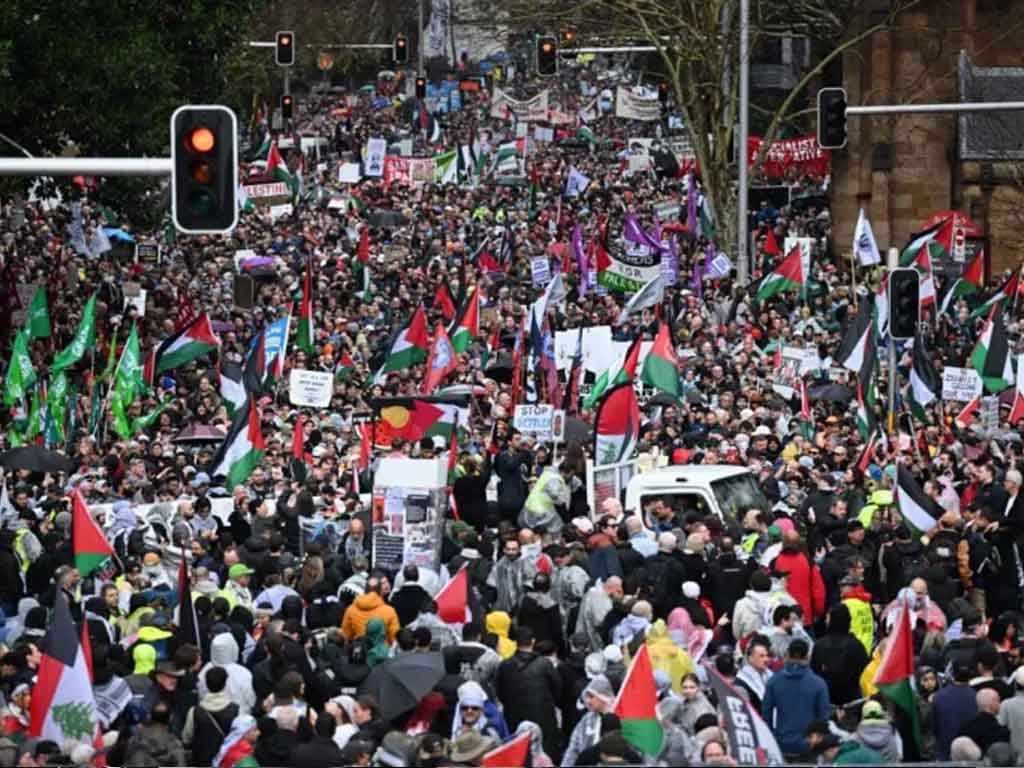
Australia-Israel relations have reached a new low following widespread protests across Australia advocating for Palestinians and condemning Israeli actions in Gaza. Tens of thousands marched in major cities, including a massive Sydney Harbour Bridge demonstration in August, urging the Australian government to impose sanctions on Israel and end the two-way arms trade.
The situation escalated diplomatically after Prime Minister Anthony Albanese pledged conditional recognition of a Palestinian state, prompting criticism from both pro-Israel and pro-Palestinian groups. Israeli Prime Minister Benjamin Netanyahu described the move as “appeasement” towards Hamas and accused Albania of betraying Israel and Australian Jews. Australia responded with limited sanctions against far-right Israeli ministers and expelled Iran’s ambassador over alleged antisemitic attacks.

Despite the public spat, many experts note that behind the scenes, business and diplomatic ties largely continue as usual. Australia still supplies components used in Israeli F-35 fighter jets, and pro-Palestinian advocates argue the government’s gestures have been largely symbolic rather than substantive.
The diplomatic tension appears unlikely to have lasting effects, as human and trade ties between the two nations remain strong. Observers suggest the dispute reflects more of a domestic and symbolic response than a fundamental shift in bilateral relations.