The Bribery Commission insists it is perfectly “legal” for its own Director General to secure admission for his son into Sri Lanka’s most prestigious school, despite the fact that he had no ties to it. But is legality the same as morality or just another polished excuse for privilege?
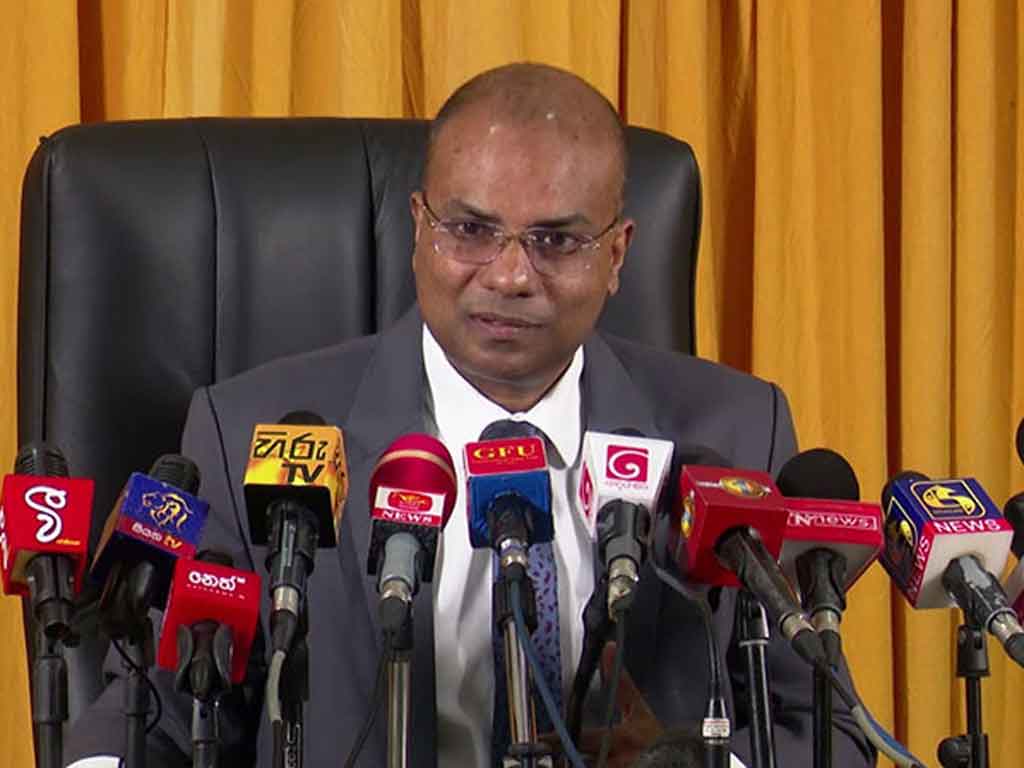
The Commission to Investigate Allegations of Bribery or Corruption, Sri Lanka’s supposed guardian of integrity, has found itself uncomfortably close to the spotlight. The controversy stems from the admission of the son of its very own Director General, Ranga Dissanayake, to Royal College, Colombo. Critics have asked the obvious question: how can a child who is neither within the precincts of the school nor a former student gain entry to this coveted institution? The Commission’s answer: “It’s legal.”

The Complaint That Sparked a Storm
In 2014, a formal complaint was filed alleging irregularities in how Dissanayake’s son was admitted to Royal College. The complaint went directly to the Bribery Commission itself—the very body headed by the man in question. Questions of conflict of interest were immediate and glaring. Could the Commission truly investigate its own boss?
Despite these concerns, the Commission proceeded under Section 42(1) of the Commission to Investigate Allegations of Bribery or Corruption Act. After months of probing, examining regulations, and citing legal technicalities, the Commission declared the admission process “fully compliant” with the law.
The investigation leaned heavily on Circular No. 235/2011 of the Sri Lanka Principals Service, which outlines criteria for admitting children of judicial officers and certain high-ranking officials. By extending this clause to cover the Director General of the Bribery Commission, the Commission concluded that Dissanayake’s son was entitled to the place at Royal College.
Legal Does Not Mean Ethical
For the public, however, the issue remains far from settled. Critics argue that hiding behind regulations and bureaucratic interpretations is not the same as ensuring fairness. Royal College has long been a dream school for thousands of Sri Lankan parents, who line up for months, submit endless documents, and still face rejection. How is it that the son of the Bribery Chief, with no previous ties to the school, walks right in?
The controversy cuts to the heart of Sri Lanka’s broader problem: the gap between legality and morality. Laws can be bent, interpreted, and applied selectively, often to benefit those in power. The Commission’s decision may be “legal,” but it reeks of privilege and a double standard that erodes public trust.
A Question of Trust
The Commission to Investigate Allegations of Bribery or Corruption is meant to be the watchdog of fairness and transparency. Its very existence rests on public confidence. Yet, by defending its boss’s personal gain, the Commission risks undermining its credibility. When the enforcer of anti-corruption laws is seen to benefit from the same system it polices, can the public truly believe in its impartiality?
This is not just about one child or one school. It is about the principle of fairness. If those in power can carve out exceptions for themselves, what hope is left for ordinary citizens struggling within a rigid and competitive education system?
The Official Line
The Commission, in its official press release numbered 2025/102, stated unequivocally that the admission was not illegal. It emphasized compliance with all relevant rules and informed the original complainant of its findings in writing. Case closed, at least in the eyes of the Commission.
But for the public, the controversy has just begun. The phrase “not illegal” does not carry the same moral weight as “right” or “fair.”

The Broader Implications
This case exposes a deeper rot in Sri Lanka’s governance. It highlights how those in power often find ways to legitimize actions that ordinary citizens would be punished for. Whether through circulars, legal loopholes, or vague interpretations of policy, privilege is repeatedly dressed up as legality.
Education, one of the most fiercely contested and emotionally charged areas of Sri Lankan life, is now yet another field where ordinary citizens feel betrayed. For every child denied entry into Royal College despite merit, this case is a reminder that rules bend easily for the powerful.
The Public Verdict
In the court of public opinion, the Commission may have cleared itself, but the stain remains. Citizens are not fooled by official jargon. They see a privileged child entering Royal College through questionable means, and they see the watchdog defending its own.
The irony is sharp: the Commission designed to investigate corruption is now defending its head against allegations of corruption, all while insisting it has acted “legally.” The question is not whether the action was legal, but whether it was just.
And until the government answers that question honestly, trust in the Bribery Commission—and the system it represents—will remain deeply fractured.