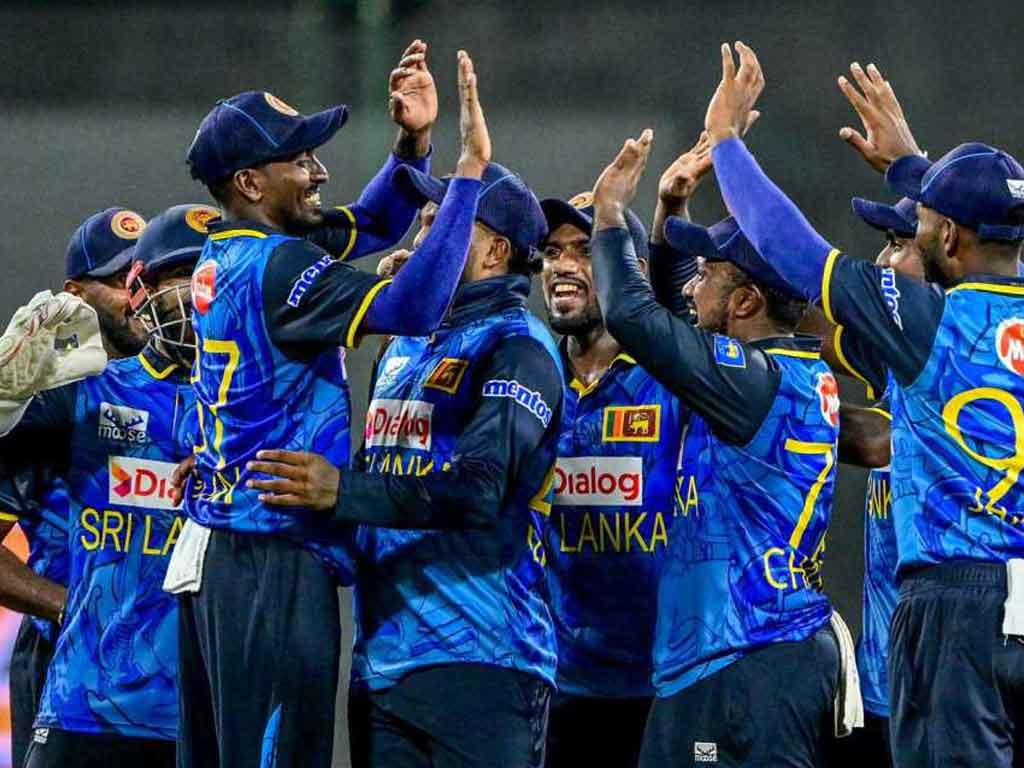
Sri Lanka’s T20 Asia Cup campaign ended in disappointment as the defending champions crumbled in the Super 4s. While Pathum Nissanka shone with world-class batting, the fragile middle order and questionable captaincy from Charith Asalanka left fans and selectors alarmed ahead of the World Cup.
Sri Lanka’s attempt to defend their T20 Asia Cup crown ended in disappointment as the team failed to even reach the final, crashing out after losing all three games in the Super 4 stage. Despite a strong start in the group stage, where the team won all three matches, their weaknesses were brutally exposed when facing tougher opposition.
The brightest star of the tournament for Sri Lanka was undoubtedly Pathum Nissanka. The opener lit up the Asia Cup with his world-class performance, particularly his explosive innings against India where he hammered 107 runs from just 58 balls. That knock, which included six towering sixes against one of the world’s most formidable bowling attacks, announced Nissanka on the global stage. He finished as the second-highest run scorer of the tournament, behind India’s Abhishek Sharma, underlining his consistency and importance to Sri Lanka’s top order.

Yet Nissanka’s brilliance also highlighted Sri Lanka’s greatest weakness: a fragile and inconsistent middle order. Every time he failed to make big runs, the batting unit collapsed under pressure. Kusal Mendis and Kusal Janith Perera contributed reasonably well, but their performances were not enough to stabilize innings when early breakthroughs came.
The most alarming concern, however, was skipper Charith Asalanka. Entrusted with leading the side, Asalanka endured a miserable tournament, managing only 75 runs at a dismal average of 15. Even more damaging was his tendency to consume dot balls, stalling the momentum built by the openers. While his captaincy guarantees him a place in the XI, his form is becoming a major liability at a time when Sri Lanka desperately needs leadership both tactically and with the bat.
Dasun Shanaka showed glimpses of his old self with a couple of valuable knocks, while Kamindu Mendis struggled to make an impact. Together with Asalanka, this group forms the core of Sri Lanka’s middle order, but they failed to provide stability or acceleration when it mattered most. Selectors, led by Sanath Jayasuriya, now face the difficult task of finding ways to get the best out of these players before the World Cup.
Adding to the woes were Asalanka’s questionable captaincy calls. His decision to hand the final over to young Dunith Wellalage against Afghanistan almost backfired disastrously when Mohammed Nabi smashed five sixes off the left-arm spinner. Against Bangladesh, his gamble of letting Kamindu Mendis bowl the 16th over in the Super 4 opener swung the game away from Sri Lanka. Even in the clash with Pakistan, using Wanindu Hasaranga’s final over against two set left-handers gave the opposition a decisive advantage. While not every tactical decision is guaranteed success, recurring errors in crunch moments raised concerns over Asalanka’s game awareness under pressure.
With the World Cup just months away, Sri Lanka has little time to fix glaring issues. The Asia Cup exposed an unsettled batting combination, a captain struggling with form and tactics, and a middle order lacking both composure and consistency. If these problems persist, Sri Lanka risks entering the World Cup with more questions than answers.