Explosive new details link the 2012 murder of rugby star Wasim Thajudeen to a Defender vehicle tied to Shiranthi Rajapaksa’s Siriliya Saviya Foundation, as testimony and fresh evidence push the case into deeper political controversy.
Fresh twists continue to emerge in the long-running investigation into the brutal murder of Sri Lankan rugby player Wasim Thajudeen, who was killed in May 2012. Recent statements and evidence point to direct involvement of underworld figures, political influence, and even vehicles connected to powerful families.
Key suspects Kehelbaddara Padme, Backo Saman, Tambari Lahiru, Commando Salintha, and Panadura Nilanga—arrested and detained in Indonesia—have already been linked to a series of violent crimes. Aruna Vidanagamage, also known as Meegasare Kajja, who was once close to this network but later turned whistleblower, was assassinated on February 18 after publicly exposing several criminal activities.

According to investigators, Sampath Manamperi, now in custody, has admitted to providing the firearm used in Kajja’s murder. More startlingly, Kajja’s widow has revealed to the Criminal Investigation Department (CID) that her late husband was part of the group that followed Thajudeen on the day he was murdered. She identified him through CCTV footage, providing a crucial breakthrough in connecting underworld operatives to the case.
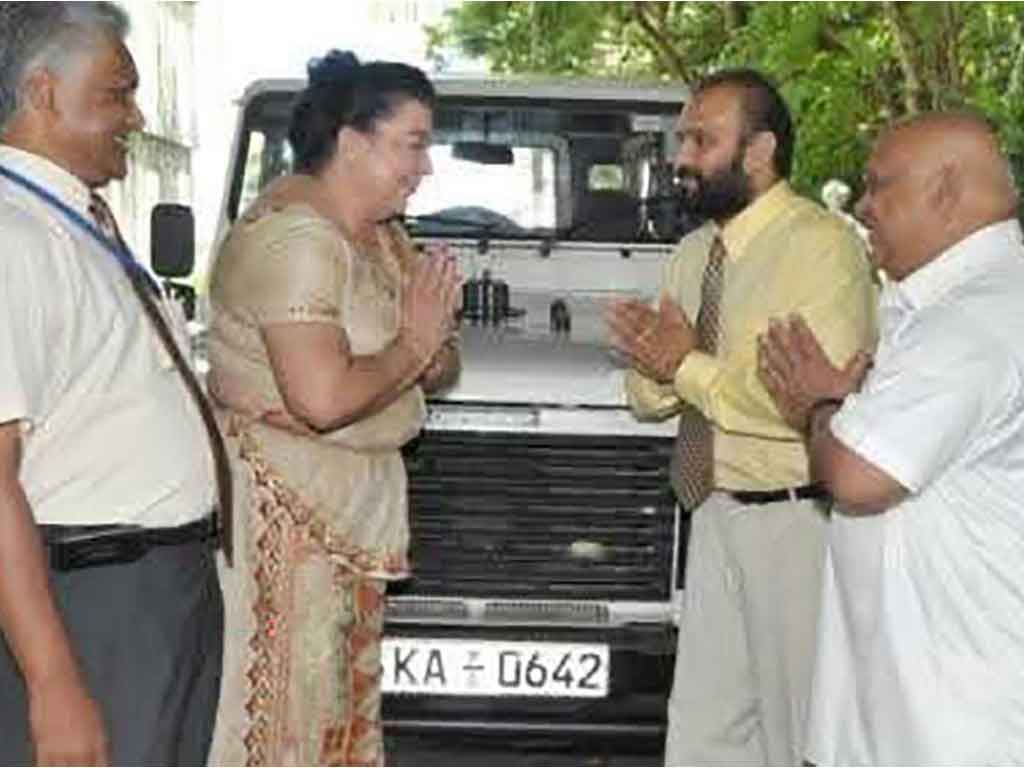
The CID had earlier reported to court in 2018 that a Defender vehicle registered under WP KA 0642, belonging to the Siriliya Saviya Foundation linked to Shiranthi Rajapaksa, was allegedly used in Thajudeen’s abduction. Kajja’s widow has now reinforced suspicions by confirming that the Defender played a direct role in the operation.
Thajudeen’s death, initially staged as a car accident, was later confirmed to be murder following a second post-mortem in 2015 that revealed missing bones and signs of foul play. The recent revelations about Shiranthi’s Defender reignite suspicions of political cover-ups and raise questions about the depth of involvement from powerful figures.
As the CID continues its probe, Sri Lanka watches closely. The murder of one of the nation’s most promising rugby players is no longer just a case of underworld violence—it has become a symbol of political corruption, cover-ups, and the enduring struggle for justice.