An Australian horror film has ignited outrage after its Chinese release digitally altered a same-sex couple into a heterosexual one, sparking global debate over censorship, AI edits, and artistic integrity.
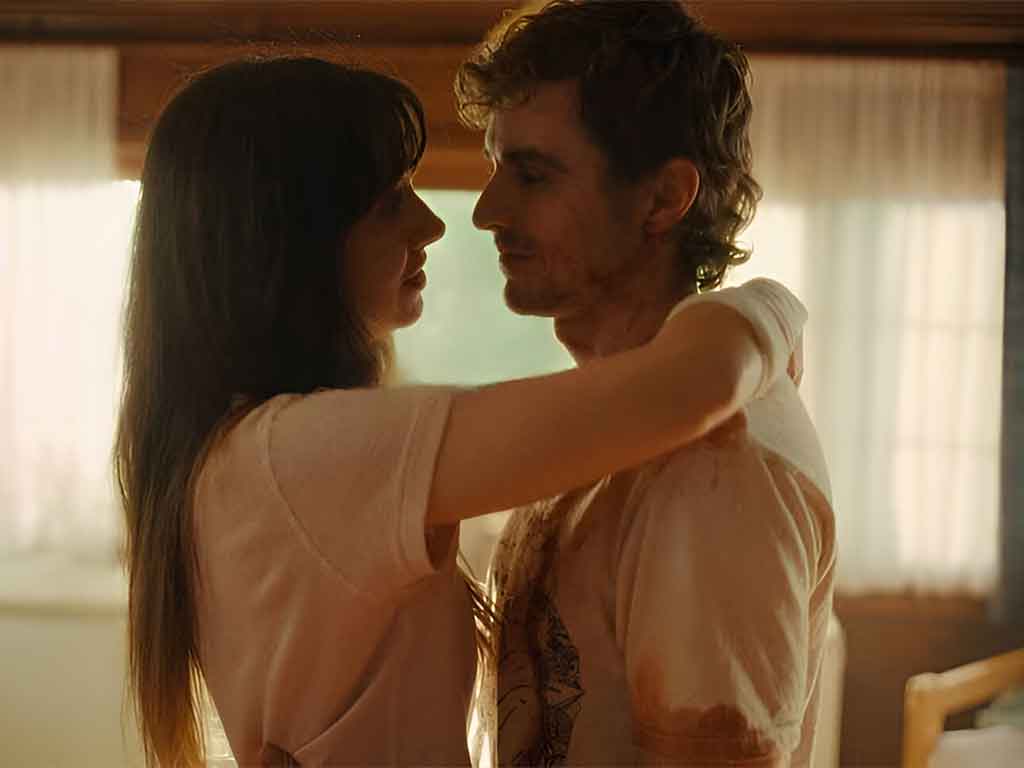
An Australian horror film has sparked backlash in China after it was digitally altered to change a same-sex couple into a heterosexual one. Together, starring Dave Franco and Alison Brie, was shown in select Chinese cinemas during advance screenings on 12 September. Audiences quickly noticed modifications after screenshots from the original version circulated online. The film, originally set for a wider release on 19 September, has yet to appear in public cinemas in China.

The film, written and directed by Australian Michael Shanks, follows a couple who move to the countryside and encounter a mysterious force that affects their bodies, lives, and relationship. Premiering at Sundance earlier this year and released in the US and Australia in July, the movie has earned largely positive reviews, including a 90% freshness score on Rotten Tomatoes.
However, Chinese audiences noticed several edits, including obscured nudity and, more controversially, a gay couple digitally altered into a heterosexual pairing. Faces were replaced, and references to the same-sex relationship were removed. Many viewers criticised the changes online, calling the alterations “distortion and misrepresentation” and accusing the distributors of disrespecting the actors’ sexual orientations.
Global distributor Neon condemned the unauthorised edits, demanding that Chinese distributor Hishow halt distribution. Hishow has not responded. Experts note that censorship of LGBT content is common in China, where same-sex marriage is not recognised and topics around LGBT identity remain largely taboo. Yet the apparent use of AI-generated alterations has drawn particularly strong criticism.
The controversy follows broader cultural crackdowns in China, including digital edits in films like Oppenheimer and arrests of at least 30 writers of gay erotic fiction since February. As debate grows over artistic integrity and representation, Together’s altered Chinese version highlights ongoing tensions between creative expression and local censorship regulations.