A new US State Department report predicts risks for Sri Lanka’s investment climate unless the government abolishes the Board of Investment and swiftly enforces the Economic Transformation Act with fresh institutions.
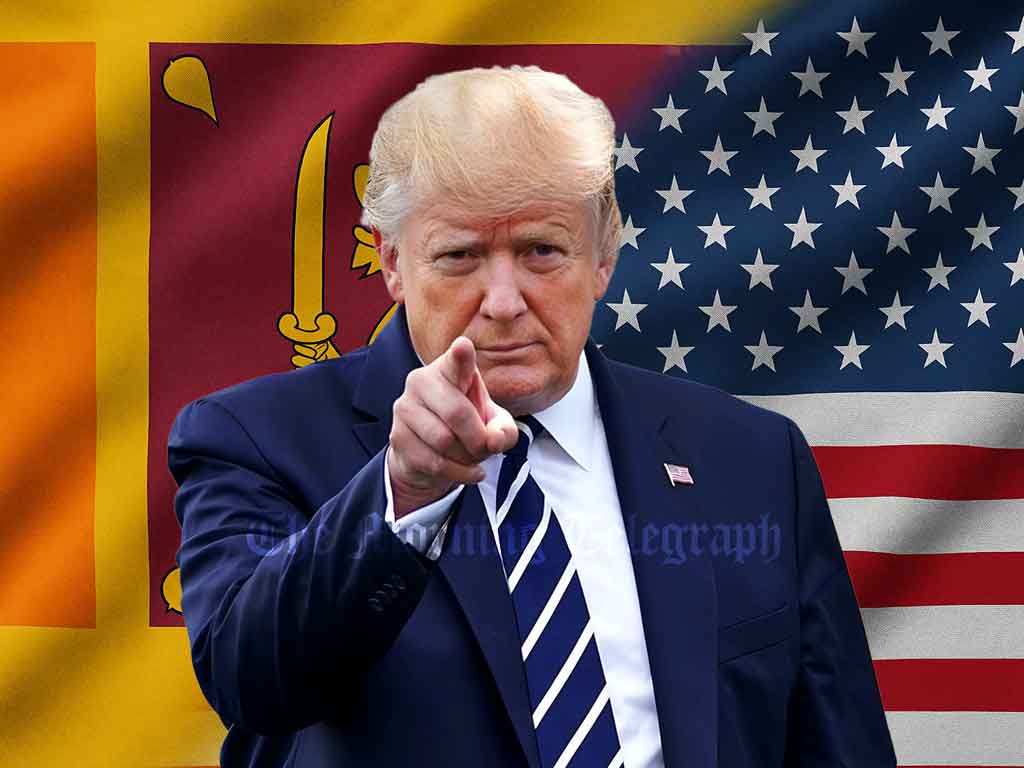
The United States has raised serious concerns about Sri Lanka’s foreign investment environment in its 2025 Sri Lanka Investment Climate Report, warning that the current setup poses long-term risks. The report states that the government should abolish the Board of Investment of Sri Lanka and instead fully implement the Economic Transformation Act passed in July 2024 by establishing new regulatory bodies.

According to the report, Sri Lanka can stabilize its foreign investment climate by setting up five institutions under the Act: Sone-Sri Lanka Economic Commission, the Office for International Trade, the National Productivity Commission, and the Sri Lanka Institute for International Trade. These organizations are expected to streamline investment processes, attract foreign investors, and restore confidence in policy stability.
The US analysis highlights persistent complaints about the Board of Investment. It says the agency has become a major obstacle for foreign investors due to excessive bureaucracy, inconsistent policies, and long delays in project approvals. The report argues that despite the passage of the Economic Transformation Act, the Board of Investment continues to function without reform, which undermines Sri Lanka’s credibility.
It also stresses the importance of removing red tape, maintaining consistent investment policies, privatizing inefficient state ownership, and opening new channels of trade. Without these changes, the report warns that foreign direct investment will remain weak and Sri Lanka’s economic recovery will be slowed.
The recommendations carry significant weight as they signal the view of the US government and international investors who are watching Sri Lanka’s reforms closely. Although the Ranil Wickremesinghe administration passed the Act in 2024, the promised institutions have not yet been established. The delay, according to the US, increases uncertainty and discourages capital inflows.
For Sri Lanka, the choice is clear: dismantle outdated institutions like the Board of Investment, enforce the new legal framework, and build modern agencies that can attract sustainable investment. Failure to act could leave the island further isolated in a highly competitive global market.