Energy Minister Kumara Jayakody’s bribery allegations take another twist as his latest request to the Bribery Commission risks dragging out a case already marred by years of delays and uncertainty.
The long-running corruption allegations against Energy Minister Kumara Jayakody are facing yet another delay, according to a report in the Sunday Times. The case, which involves accusations of misappropriating funds during his time at the Chemical Fertilizer Corporation in 2015, continues to stall despite earlier approvals to proceed.

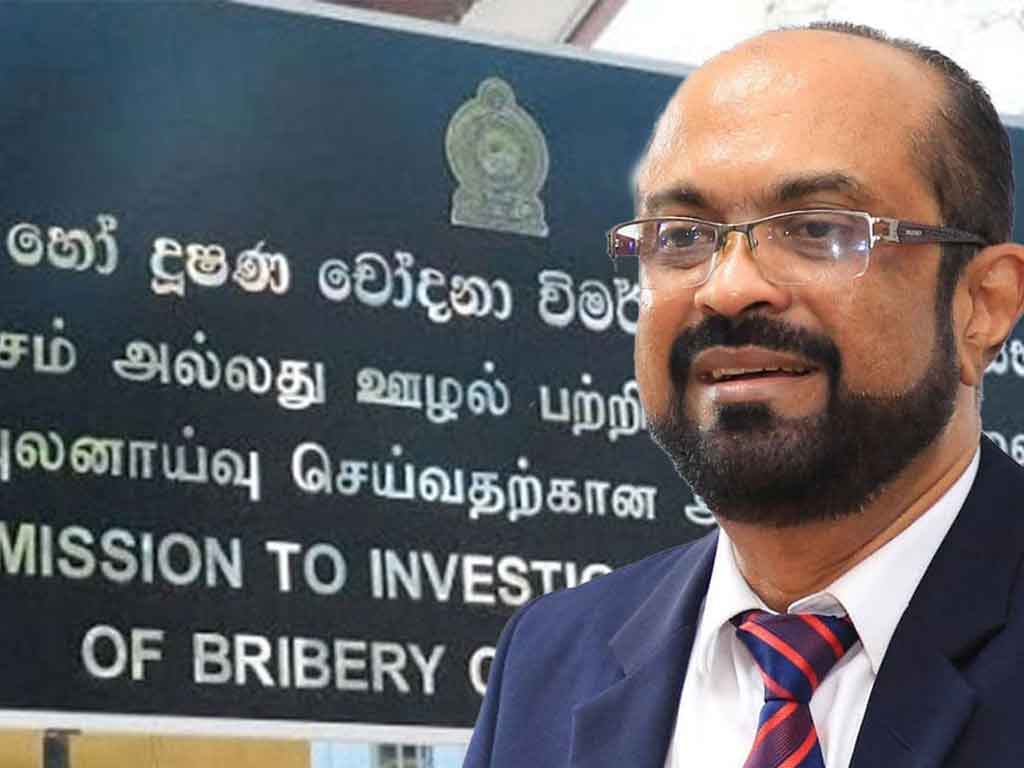
Minister Jayakody, through his President’s Counsel, has requested permission from the Commission to Investigate Allegations of Bribery or Corruption (CIABOC) to make a statement regarding the allegations. The commission, however, has responded that he may instead submit his representation in writing if necessary. This move is expected to further push back the timeline for the case, raising questions about accountability and justice.
The allegations center around the misappropriation of approximately Rs. 8 million, with Jayakody accused of playing a central role as the head of a controversial tender panel that awarded contracts to a supplier under close supervision. Earlier, CIABOC had already granted approval to Director General Ranga Dissanayake to initiate legal proceedings in the Magistrate’s Court against Jayakody and two others. Despite this green light, the process of formally filing charges has now slowed once again.
Observers warn that these repeated delays create significant risks for Sri Lanka’s broader anti-corruption framework. Prolonged legal uncertainty undermines public trust in institutions like CIABOC and casts doubt on the government’s commitment to fighting corruption. With Sri Lanka struggling to stabilize its economy and attract foreign investment, high-profile bribery cases like this one have an outsized impact on investor confidence and the country’s international reputation.
The case highlights a recurring problem in Sri Lanka: the ability of politically connected figures to use procedural requests to stall investigations. Unless CIABOC accelerates its action, there is a danger that this case could drag on indefinitely, reinforcing perceptions of impunity. For now, the public and international observers alike will be watching closely to see whether Sri Lanka can follow through on its promises of transparency and good governance.