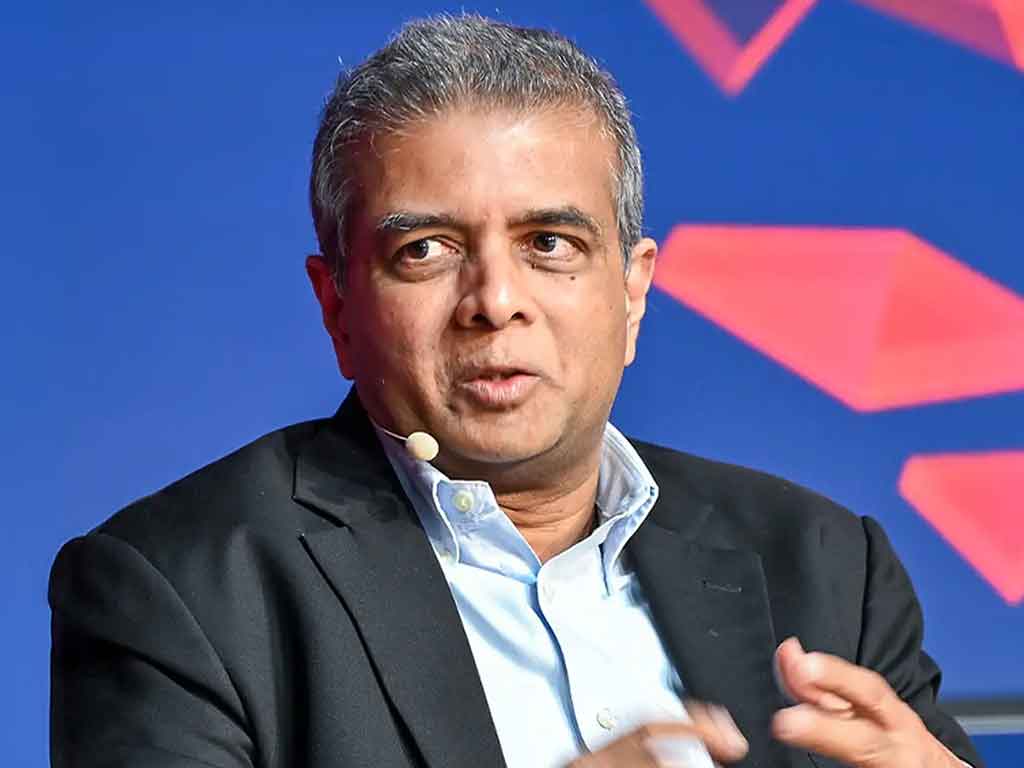
Dr. Hans Wijayasuriya envisions Sri Lanka as the “Serendib of trust” in the digital economy, but the nation’s journey from slogans to substance depends on real data protection, AI ethics and cybersecurity that the region will actually believe in.
Sri Lanka is setting its sights on becoming a regional hub in the digital economy by positioning “trust” as its competitive edge. Chief Advisor to the President on Digital Economy, Dr. Hans Wijayasuriya, declared that the country plans to grow its digital economy from around 3 billion US dollars to 15 billion US dollars within four years. This would push the sector’s share of GDP from the current 3 to 4 percent to more than 12 percent.
Speaking at the Asian Development Bank’s Serendipity Knowledge Programme on Digital Transformation in Colombo, Dr. Wijayasuriya underscored that Sri Lanka’s exceptional talent pool must be paired with a robust trust framework. In his words, the nation should strive to be known as the “Serendib of trust, governance and safety” in the digital world, offering global partners confidence and credibility as its unique value proposition.

At the heart of his vision is an “AI-first” digital blueprint designed to weave artificial intelligence across all economic sectors. He identified two critical levers for leapfrogging regional competition: implementing strong data policies and privacy protection, and maximizing the ethical use of AI. He emphasized that Sri Lanka must compete not through low-cost labour but through agility, innovation and integrity grounded in trust.
To back this, he pointed to measures already in place such as the Personal Data Protection Act, the newly established Data Protection Authority, and the work of institutions like Sri Lanka CERT. These have collectively helped elevate the country into the upper quartile globally for cyber resilience. For Dr. Wijayasuriya, such progress signals that Sri Lanka is on track to distinguish itself not only through digital talent but also through a trust framework capable of securing international recognition.
The challenge now lies in translating this narrative into practice. While Sri Lanka aims to redefine itself as a digital destination, global investors and partners will measure the island not by rhetoric but by results in cybersecurity, data governance and ethical AI adoption. For the government, the next few years will determine whether “Serendib of trust” becomes a genuine economic identity or just another political catchphrase.