Sri Lanka Customs has finally agreed to release long-detained vehicles, but only after importers cough up guarantees, surcharges and extra fees, turning a legal tug-of-war into a costly compromise.
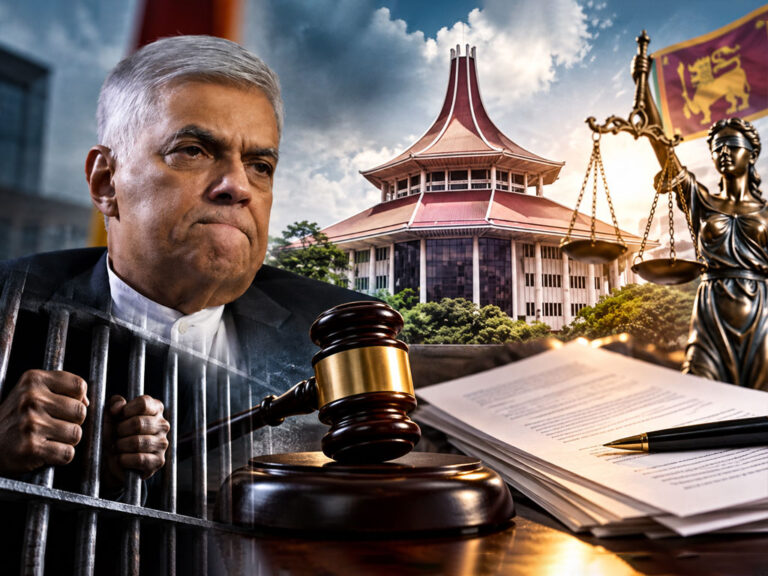
Sri Lanka’s long-running dispute over detained vehicles has taken a new twist, with Sri Lanka Customs informing the Court of Appeal that the vehicles can now be released under strict conditions. The announcement was made today before a bench comprising Court of Appeal Chairman Justice Rohantha Abeysuriya and Justice Priyantha Fernando, as nearly 15 Fundamental Rights Petitions filed by frustrated vehicle importers came up for hearing.
Representing Customs, Additional Solicitor General Sumathi Dharmawardena stated that the controversial vehicles, held because they were imported from countries other than their original country of manufacture, can be released once importers provide either a company guarantee or a personal guarantee. He further explained that the release will not be unconditional, importers must also pay additional fees imposed by Customs before the vehicles can be registered for road use.

This partial concession came after months of pressure from vehicle importers who argued that their businesses were being crippled by the detentions. President’s Counsel Faizer Musthapha, appearing for one of the petitioners, told the court that Customs itself had previously released vehicles imported under similar circumstances, and he questioned why the institution was now taking a different stance. He pushed the court to summon a full list of vehicles that have been released in such a manner to clarify the inconsistency in Customs’ handling of cases.
Musthapha also argued that the controversial 35 percent surcharge levied by Customs when importers attempt to redeem their vehicles should be subject to recovery if the petitioners ultimately succeed in their legal challenge. He pointed out that the financial burden imposed on importers is both excessive and arbitrary, given that precedent exists for more lenient treatment in similar situations.
The Court of Appeal did not issue an immediate ruling but instead ordered that the matter be taken up again on October 22, when it is expected to make a decision on how the pending petitions will be resolved. Until then, the importers will continue to navigate a complicated mix of legal hurdles, financial penalties, and bureaucratic requirements.
This latest development highlights the tension between Customs’ regulatory role and the importers’ claims of unfair treatment, raising questions about consistency, transparency, and the financial impact on Sri Lanka’s struggling vehicle trade.