A damning Human Rights Watch report warns that Sri Lanka’s collapsing tax system is not just destroying the economy but stripping citizens of their fundamental rights, with education and healthcare hanging by a thread.
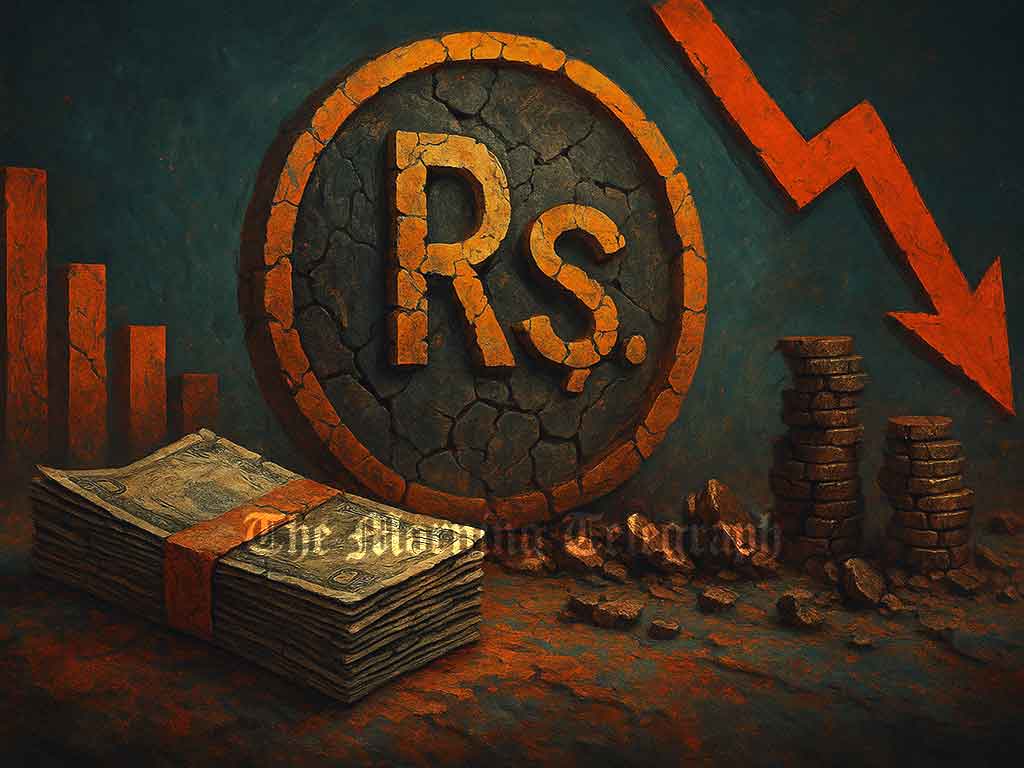
Sri Lanka’s economic crisis has once again been tied to one of its most overlooked yet devastating flaws: a broken tax policy. According to the latest report by Human Rights Watch (HRW), decades of inadequate taxation, reckless corporate tax concessions, and weak implementation of tax laws have drained the state of vital revenue. The result is a government incapable of sustaining essential services like healthcare, education, and social security.
The report highlights that Sri Lanka’s tax-to-GDP ratio stood at just 7.3% in 2023, ranking among the lowest in the world. Such an abysmally low figure paints a picture of a state that has failed to create a robust and fair revenue system. This weakness has had a catastrophic impact, contributing directly to the worsening economic collapse that has already devastated livelihoods across the island.

HRW describes the current tax framework as both “inadequate and regressive.” Rather than distributing the tax burden fairly, the policy shifts the weight onto low-income citizens while handing out sweeping concessions to corporations and wealthy individuals. The regressive nature of the system ensures that those least able to contribute are forced to bear the brunt of the crisis, deepening inequality and resentment.
For families already struggling, the consequences are severe. Schools face funding shortfalls, hospitals cannot maintain proper services, and social safety nets are increasingly fragile. HRW warns that the government’s inability to secure adequate tax revenues undermines the very foundation of social and economic stability, turning what should be fundamental rights into unattainable luxuries for many.
By failing to modernize and enforce its taxation policies, Sri Lanka has effectively crippled its ability to recover from the crisis. The HRW report concludes that without urgent tax reform, the country will continue spiraling into instability, leaving its citizens with shrinking opportunities and eroding quality of life.
The stark truth is clear: a nation cannot survive when its tax system is designed to benefit the powerful while punishing the powerless. Until Sri Lanka rethinks its taxation strategy, economic collapse will remain the only predictable outcome.