Once a hotspot of chaos and desperation, the Texas border has fallen eerily silent under Trump’s crackdown—where calm now replaces compassion, and order has come at the cost of broken families and vanished hopes.
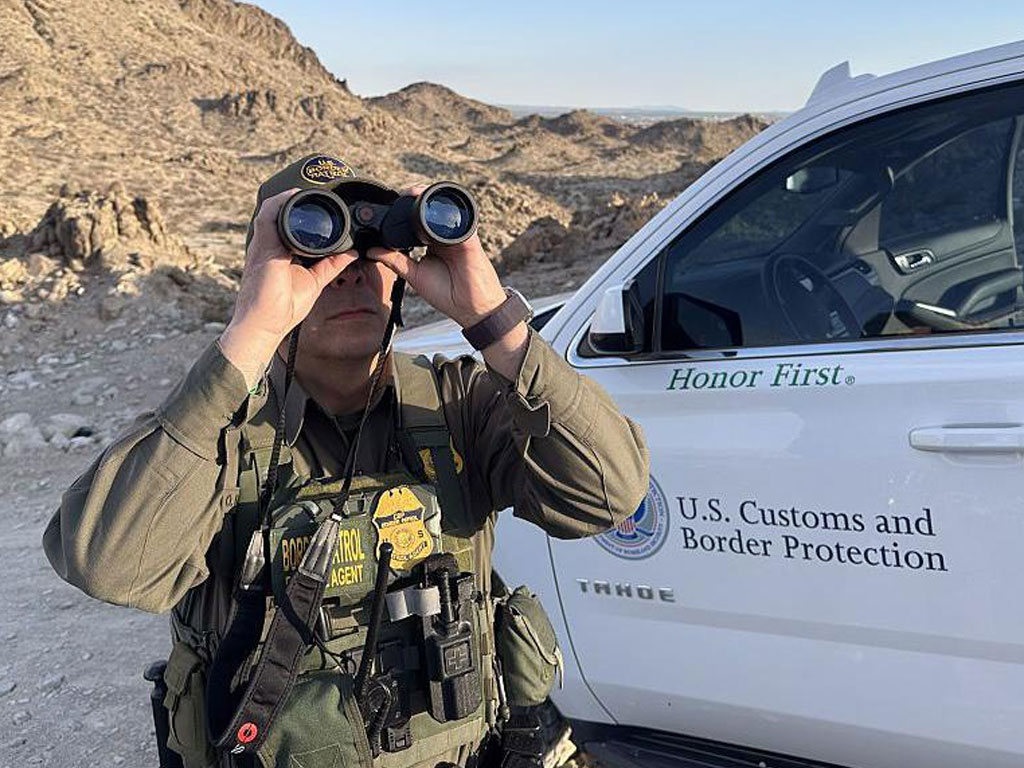
Along the Texas border, once marked by chaos and overflowing migrant camps, the streets of El Paso are now quiet following President Donald Trump’s intensified border enforcement measures. A year after the migrant crisis reached its peak, the scenes outside the Sacred Heart Catholic Church, where thousands once gathered seeking shelter, have vanished. Shelters that previously housed crowds of migrants are now mostly empty, and border crossings have fallen to their lowest levels in fifty years. According to government data, only 11,647 people were detained along the US-Mexico border in September compared to over 269,000 two years ago. Local residents describe a sense of relief after years of instability, crediting the administration’s strict approach for restoring order.

The change has been dramatic for humanitarian organisations like Annunciation House, which once operated twenty-two shelters but now runs only two, hosting fewer than twenty people a night. Many migrants currently staying there are preparing to leave the country after losing their temporary protections or jobs. Supporters of Trump’s policies argue that his administration has delivered on promises to regain “operational control” of the border through tighter asylum rules, increased deportations, and cooperation with Mexico to limit northbound migration. Officials claim that, for six consecutive months, no undocumented migrants arrested have been released into the United States, marking what they call a historic turnaround.
While some residents in El Paso and nearby towns have welcomed the new order, others remain conflicted. Community leaders and advocacy groups acknowledge the need for border security but criticise the human toll of mass deportations, which have included long-term residents with no criminal records. The debate reflects deep divisions in border communities where families often span both sides of the frontier. Even among Trump supporters, some now question whether the price of control has come at too high a human cost.