A leaked internal report accusing the BBC of institutional bias over its Trump coverage, Gaza war reporting, and transgender issues has rocked Britain’s most trusted broadcaster, leading to the shock resignations of its top executives.
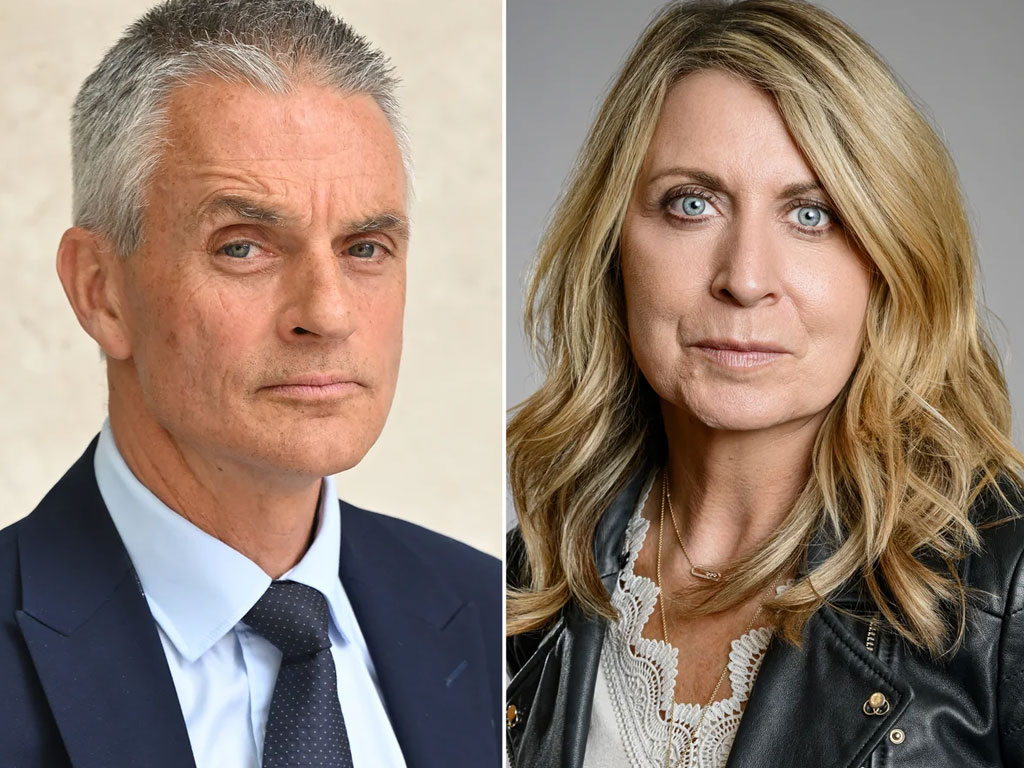
The British Broadcasting Corporation (BBC) has been thrown into crisis after its Director General Tim Davie and Head of News Deborah Turness resigned following mounting criticism over alleged bias in its editorial decisions. The controversy erupted after a leaked internal review exposed serious failings in the BBC’s reporting on U.S. President Donald Trump, the Israel-Hamas war, and transgender rights.
The report, compiled by Michael Prescott, a former political editor of The Sunday Times and independent adviser to the BBC’s Editorial Guidelines Board, alleged that the organisation “repeatedly failed” to address what he called “institutional bias.” It accused the BBC of suppressing certain viewpoints, mishandling coverage of the Gaza conflict, and distorting Trump’s speeches in a way that misrepresented his remarks.

The scandal intensified after The Daily Telegraph revealed that the BBC’s flagship Panorama programme edited Trump’s January 2021 speech to make it appear that he had incited the Capitol Hill riots. In reality, Trump had said his supporters should “cheer on our brave senators and congressmen and women,” but the edited version presented him as calling for aggression.
Trump immediately reacted on social media, labelling Davie and Turness as “very dishonest people” who had tried to influence the U.S. presidential election. “They are from a foreign country, one that many consider our number one ally. What a terrible thing for democracy,” he declared.
Tim Davie, who has led the BBC since 2020, acknowledged that mistakes had been made but defended the organisation’s global reputation for impartial journalism. “The BBC remains a gold standard around the world,” he said, while admitting that “very intense personal and professional demands” had made his role unsustainable. His resignation reportedly stunned the BBC board, which will now begin the search for his successor.
Deborah Turness, the BBC News CEO, also denied claims of institutional bias in her farewell email to staff. “I want to be absolutely clear that recent allegations are wrong,” she wrote, insisting that the network’s journalists remain committed to fairness and truth.
The leak has reignited long-standing debates about the BBC’s impartiality and its publicly funded model. Despite being the most trusted news brand in the U.K., the corporation has increasingly come under attack from both left and right. Critics accuse it of abandoning its commitment to neutrality in an age of political division and digital misinformation.
The Prescott report also criticised BBC Arabic for showing anti-Israel bias during the Gaza conflict and accused senior managers of silencing journalists who sought to report on groups advocating for single-sex spaces, fearing backlash from transgender rights activists.
The latest resignations come after years of reputational blows for the broadcaster. From Gary Lineker’s suspension over political comments to its coverage of Glastonbury performers chanting against Israel, and the decision to pull a Gaza documentary featuring a Hamas-linked official, the BBC has faced repeated scrutiny over its editorial judgment.
British Culture Minister Lisa Nandy thanked Davie for his service but called the resignations a “serious moment” for public trust in national media. BBC Chairman Samir Shah is expected to apologise to lawmakers and address the controversy before Parliament.
As the network prepares to renegotiate its public charter in 2027, the crisis has left Britain’s state broadcaster at a crossroads. For the BBC, the challenge now lies in restoring credibility at home while defending its image as a beacon of impartial journalism abroad.