Fresh allegations claim that opaque pharmaceutical agreements with India have weakened Sri Lanka’s drug safety system, allowing substandard medicines to reach patients and raising urgent questions about transparency, accountability, and public health protection.
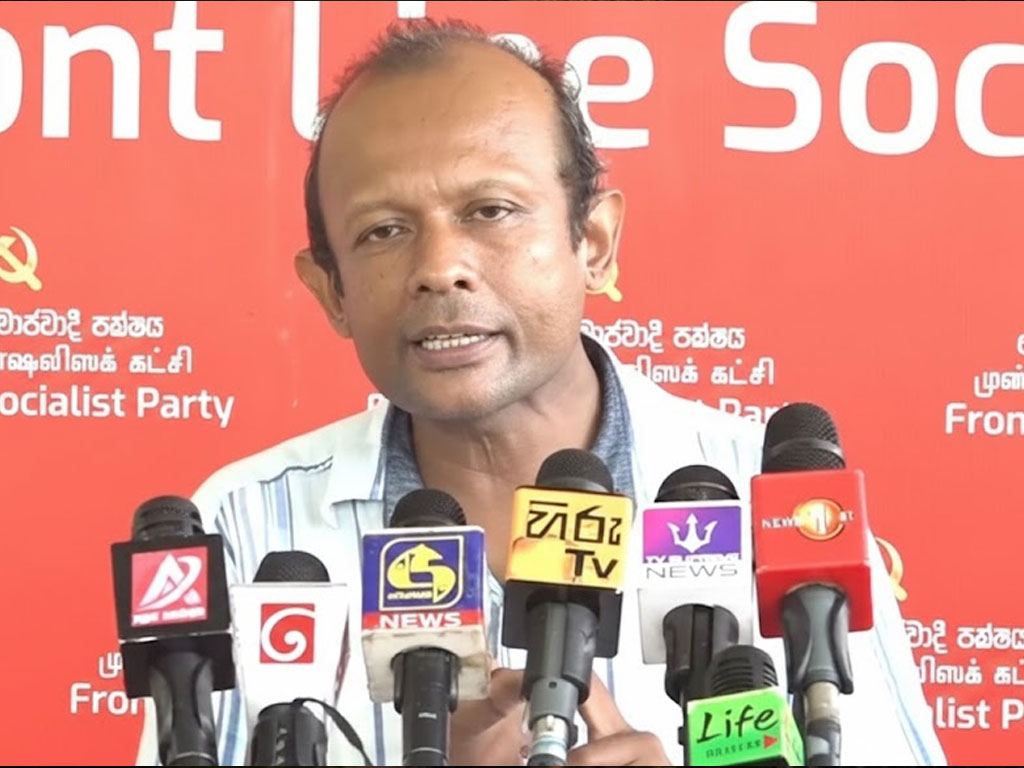
The Frontline Socialist Party has accused the National People’s Power government of undermining Sri Lanka’s established drug quality assurance system through agreements signed with India, alleging that these deals have enabled Indian pharmaceutical companies to supply medicines to Sri Lankan patients without proper inspection or regulatory scrutiny.

Commenting on the recent suspension of several medicines imported from India, a party spokesperson said that a number of drugs manufactured by the Indian firm Maan Pharmaceuticals Ltd had been identified as substandard and subsequently withdrawn from use. He stressed that Sri Lanka previously had a functioning system designed to safeguard the quality of medicines supplied to patients.
According to the Frontline Socialist Party, that system was first weakened when former Health Minister Keheliya Rambukwella introduced emergency procurement procedures and registration waiver letters. These measures, they argue, opened the door for substandard medicines to enter the country while bypassing established quality checks.
The party said its concerns deepened after agreements were signed on April 5, 2025, under the current administration. They claim these agreements distorted existing safeguards and paved the way for Indian pharmaceutical companies to access Sri Lankan patients without hindrance or inspection. This, they said, was why the party publicly called to “tear up the Anura Modi fake agreements.”
The Frontline Socialist Party also alleged that these agreements have been deliberately kept secret from the public. According to the party, the continued secrecy suggests serious flaws that make the agreements difficult to defend openly.
“Today, those warnings are becoming a reality. But it is happening at the cost of lives,” the spokesperson said, referring to reports of adverse reactions linked to substandard medicines.
The party said it had previously raised these concerns with then Health Minister Nalinda Jayatissa and representatives aligned with the government. They were reportedly told that discussing such matters after the loss of human lives was pointless.
Despite the delay, the Frontline Socialist Party is now calling on the government to immediately disclose the full details of the agreements signed with India. They argue that public scrutiny is essential and that any agreements found to be harmful should be withdrawn without hesitation.
The party posed two key questions. First, whether Sri Lanka’s laws and criteria governing medicine quality were altered under the Indian agreements. Second, whether medicines imported under the Indian loan system were allowed into the country without proper quality testing.
They insist that the government must first present the agreements to the public. If these deals are shown to be detrimental to public health and drug safety, they say the agreements should be immediately cancelled.