A sobering global health index places Sri Lanka among the world’s least healthy nations, raising urgent questions about lifestyle, disease, and the future of public health.
Sri Lanka has fallen into the bottom 40 healthiest countries in the world for 2025, ranking 158 with a global health index score of 54.55, a level considered below average and unhealthy according to the CEO World Global Health Index 2025.
The index highlights sharp disparities in global health outcomes, using ten key indicators to assess national wellbeing. As the website explains, “A newly released global health index indicates that countries’ health varies significantly, as evaluated through ten specific measures. These criteria encompass healthy life expectancy, blood pressure levels, blood glucose (a key indicator of diabetes risk), obesity rates, prevalence of depression, overall happiness, alcohol consumption, tobacco use, levels of physical inactivity, and government expenditure on healthcare. The index computed a ratio to determine each country’s proximity to the optimal health score.”

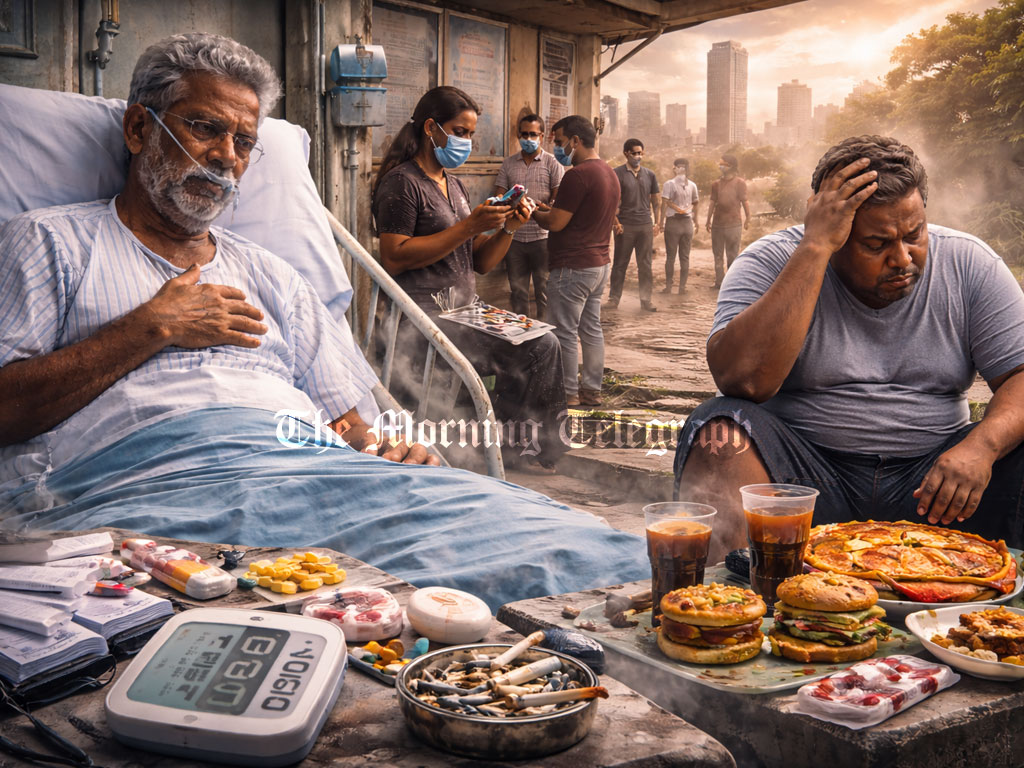
Sri Lanka’s low ranking reflects mounting concerns over non-communicable diseases, lifestyle choices, and physical inactivity. According to the World Health Organisation, the leading causes of death in Sri Lanka are strokes and ischemic heart disease, conditions closely linked to diet, stress, and sedentary living.
Despite this troubling position, there is one positive trend. Life expectancy at birth in Sri Lanka has steadily improved, rising by 5.72 years from 71.5 years in 2000 to 77.2 years in 2021. This suggests progress in healthcare access and medical treatment, even as broader health indicators remain weak.
The report also notes that some war-torn nations in sub-Saharan Africa sit at the very bottom of the rankings. “Interestingly, even picturesque destinations often seen as tropical paradises, have received low health scores. This is largely attributed to poor dietary habits and a lack of physical activity. It’s a reminder that paradise isn’t always synonymous with health,” the website says.
For Sri Lanka, the findings underline an urgent need for stronger public health policy, healthier lifestyles, and greater investment in preventive healthcare.