With weeks to go before the T20 World Cup, visa delays linked to players’ origins are triggering a storm that threatens squads, schedules, and the spirit of global cricket.
Less than a month remains before India and Sri Lanka co-host the T20 Cricket World Cup, yet several teams are still unable to finalize their squads due to mounting visa complications. At the center of the controversy is India’s policy of delaying or denying visas to players born in Pakistan or of Pakistani origin, even when those players represent other countries.

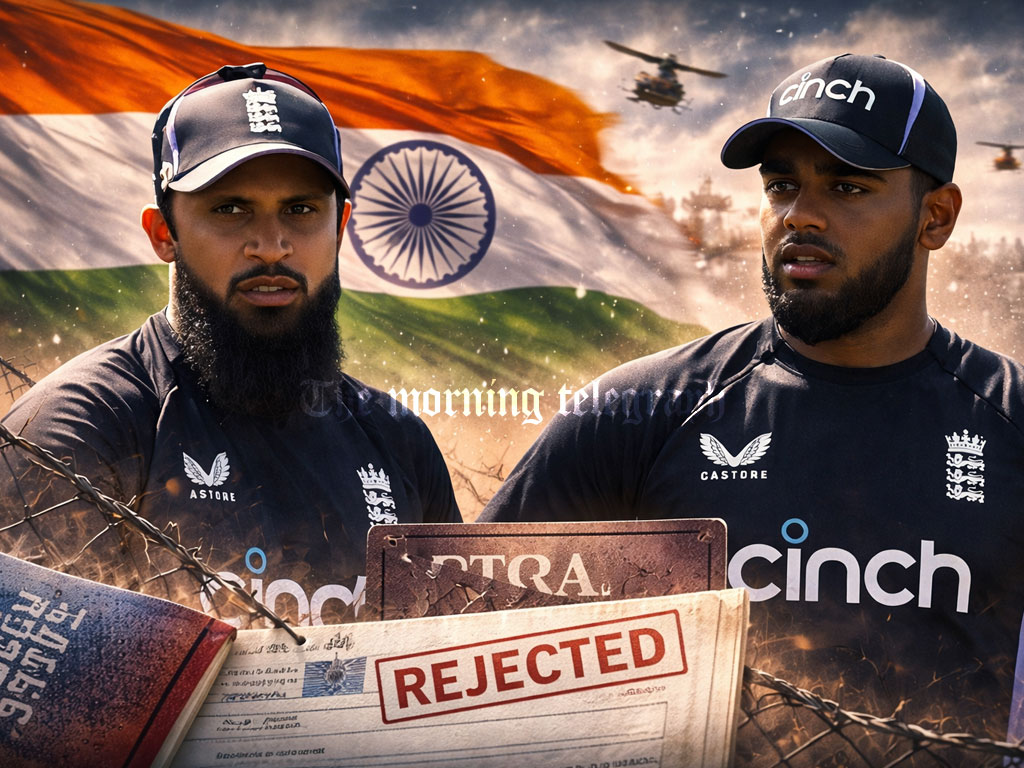
According to current reports, England’s leading spin bowlers Adil Rashid and Rehan Ahmed are facing delays in securing Indian visas. The issue has reportedly forced both players to skip the upcoming Sri Lanka tour as they attempt to resolve the matter. Their absence is seen as a significant blow, not only to England’s preparations but also to the competitive balance of the tournament.
Adil Rashid has been a cornerstone of England’s white-ball success for over a decade and previously held the world number one ranking in T20 bowling. Rehan Ahmed, meanwhile, is viewed as one of England’s most promising young spin talents. Heading into a South Asian World Cup without either of them raises serious questions about fairness and preparedness at the highest level of international cricket.
The controversy deepens when birth details are considered. Rashid was born in 1988 in Bradford, England, while Rehan Ahmed was born in 2004 in Nottingham, England. Both are British citizens by birth. Despite their Pakistani heritage, they are Englishmen in every legal and sporting sense. This has prompted criticism that the visa issue is driven more by political considerations than by sporting or security concerns.
Rashid has previously played in India, including appearances in the Indian Premier League, and England has toured India multiple times without such complications. Critics argue that introducing political or racial filters while hosting a global tournament undermines the credibility of the event.
The issue extends beyond England. Pakistan is not playing in India, Bangladesh has raised concerns over separate political matters, and players from teams such as the Netherlands and the United States have reportedly encountered similar visa hurdles. As a result, some teams are still unable to announce final World Cup squads.
With the 2026 Cricket World Cup now clouded by political and racial disputes, observers warn that such practices risk damaging cricket’s global image. A World Cup, they argue, should be a celebration of sport, not a stage for exclusionary policies. Many believe India’s approach cannot be justified if the tournament is to retain its world-class status.