A chilling social media post by former MP Udaya Gammanpila raises disturbing questions about the sudden death of Nandana Gunathilaka, alleging threats, fear, and an unfinished political battle that ended in silence.
Nandana Gunathilaka’s sudden death has reignited controversy and speculation after former Member of Parliament and Pivithuru Hela Urumaya leader Udaya Gammanpila released a deeply unsettling account of his final months. In a lengthy social media post, Gammanpila questioned whether Gunathilaka truly died of natural causes or whether darker forces were at play, leaving behind unanswered questions and buried secrets.

Gammanpila stated that he had known Nandana Gunathilaka as a political figure for more than 26 years but had grown personally close to him only recently. Their renewed association began when both men openly challenged the early actions of the Malima government. According to Gammanpila, this shared opposition placed them in direct conflict with powerful political actors.
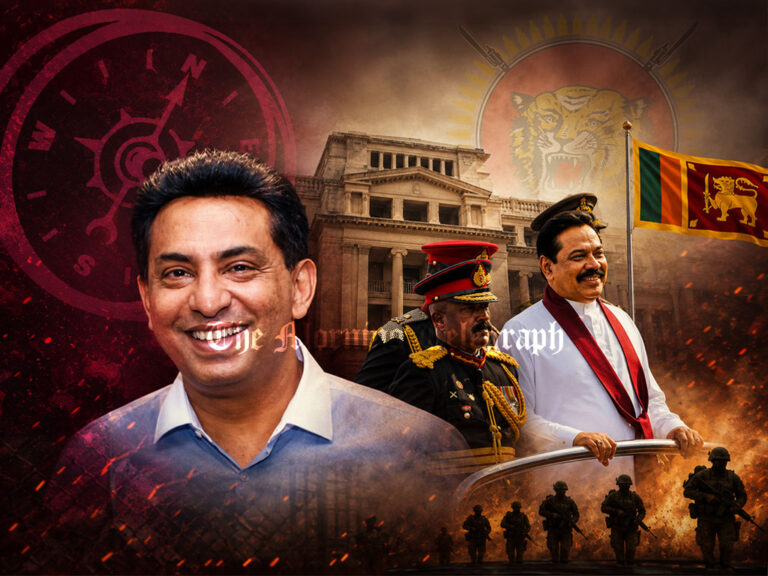
Gunathilaka had made a controversial claim that Ranga Dissanayake, appointed Director General of the Bribery Commission under the Malima administration, was once part of the JVP Legal Committee. Gammanpila said he himself had exposed, with documentary evidence, what he described as a corrupt operation involving the President, Prime Minister, and Leader of the House in securing Ranga’s appointment. As a result, both men became targets of hostility from what Gammanpila referred to as Compass leaders and affiliated forces.
Gammanpila recalled long conversations over tea during which Gunathilaka described the immense difficulty of reviving the JVP after years of repression. According to him, rebuilding the party meant facing constant threats to life, economic hardship, and the near-impossible task of erasing the party’s violent reputation. Gammanpila described seeing deep emotion in Gunathilaka’s eyes as he recounted his time as General Secretary of the reorganized JVP.
Gunathilaka’s first priority, Gammanpila said, was reconnecting with former comrades and persuading them to rebuild the party. He spoke of Anura and Vijitha leaving employment, Bimal abandoning his engineering education, and Lal Kantha giving up his yogurt business. Before leaving one meeting, Gunathilaka reportedly handed Gammanpila a large file containing documents related to the alleged Ranga Dissanayake operation.
Their discussions later turned to legal questions surrounding the proposed abolition of parliamentary pensions. Gunathilaka sought Gammanpila’s advice on whether the government could legally pursue the move. Shortly afterward, Gunathilaka publicly stated that he would commit suicide if the pension was abolished. Gammanpila pointed out that Gunathilaka died during the narrow window between the bill’s publication in the gazette and its presentation to Parliament, raising further doubts in his mind.
“Did he really die? Or was he killed?” Gammanpila asked, describing it as a question that continues to trouble him. He explained that Gunathilaka had met him regularly, often every two weeks, to discuss political developments and consistently expressed appreciation for Gammanpila’s evidence-based challenges.
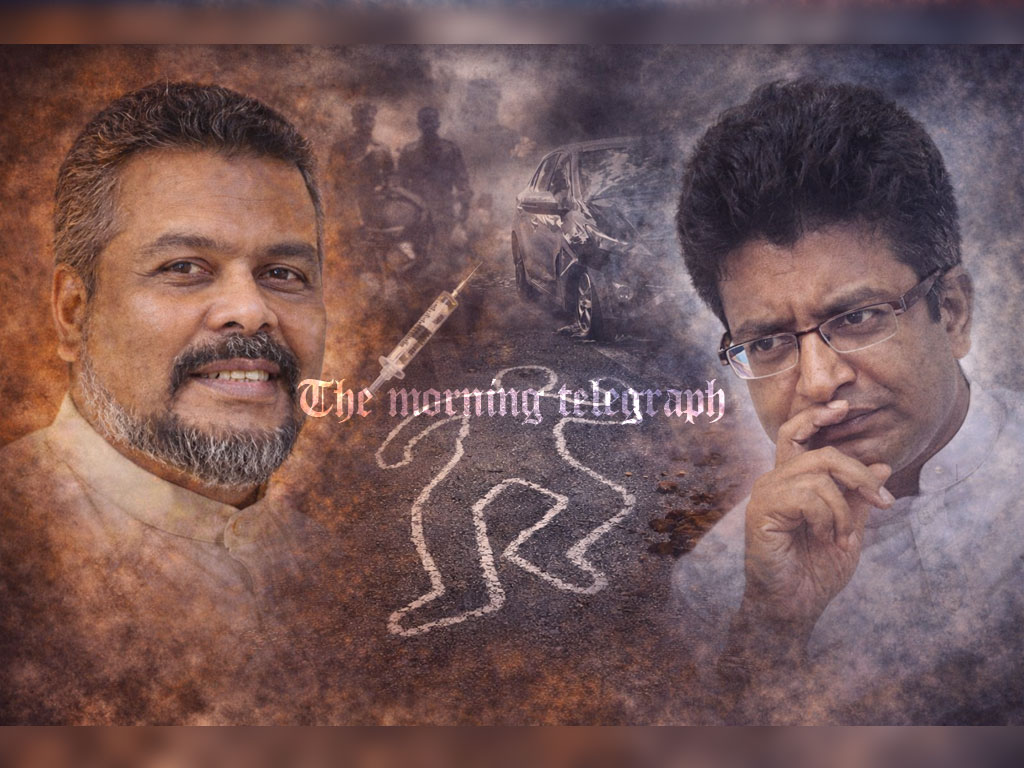
Gammanpila recounted a particularly disturbing meeting about two months before Gunathilaka’s death. He described Gunathilaka as appearing terrified, claiming that the JVP had decided to kill him. According to Gammanpila, Gunathilaka warned that the party had a history of eliminating internal critics and feared he would be poisoned or killed in a staged car accident. Gunathilaka reportedly referenced past killings, including those of Vass Thilakaratne and Nandana Marasinghe, and reminded Gammanpila of attempts on the life of his own relative during the period of political terror.
After this meeting, Gammanpila said he encountered social media posts by political commentator Priyanjith Vitarana alleging that the JVP had decided to kill Gunathilaka, Waruna Rajapaksa, and himself. When contacted, Priyanjith allegedly confirmed receiving the information from a senior party source, claiming poisoning was the most likely method and warning that Gunathilaka was at greatest risk due to his knowledge of the JVP’s revival.
Days later, news emerged that Gunathilaka had been hospitalized at Jayawardenapura Hospital. Gammanpila, recalling spy thrillers, remarked that hospitals are often portrayed as ideal locations for silent assassinations. When he phoned Gunathilaka, the former MP reportedly groaned, saying he was now truly ill. Gunathilaka asked Gammanpila to visit the following day, as he was being transferred to Ragama Hospital.
When Gammanpila visited, he described Gunathilaka as visibly dying, holding his hand and moaning for nearly half an hour. He said Gunathilaka’s condition deeply affected his family, noting that his youngest daughter collapsed in the hospital.
Gammanpila ended his post with an emotional farewell, stating that Gunathilaka had taken many untold secrets to his grave and left a political battle unfinished. He pledged to continue the struggle Gunathilaka began, vowing that it would not end in silence.