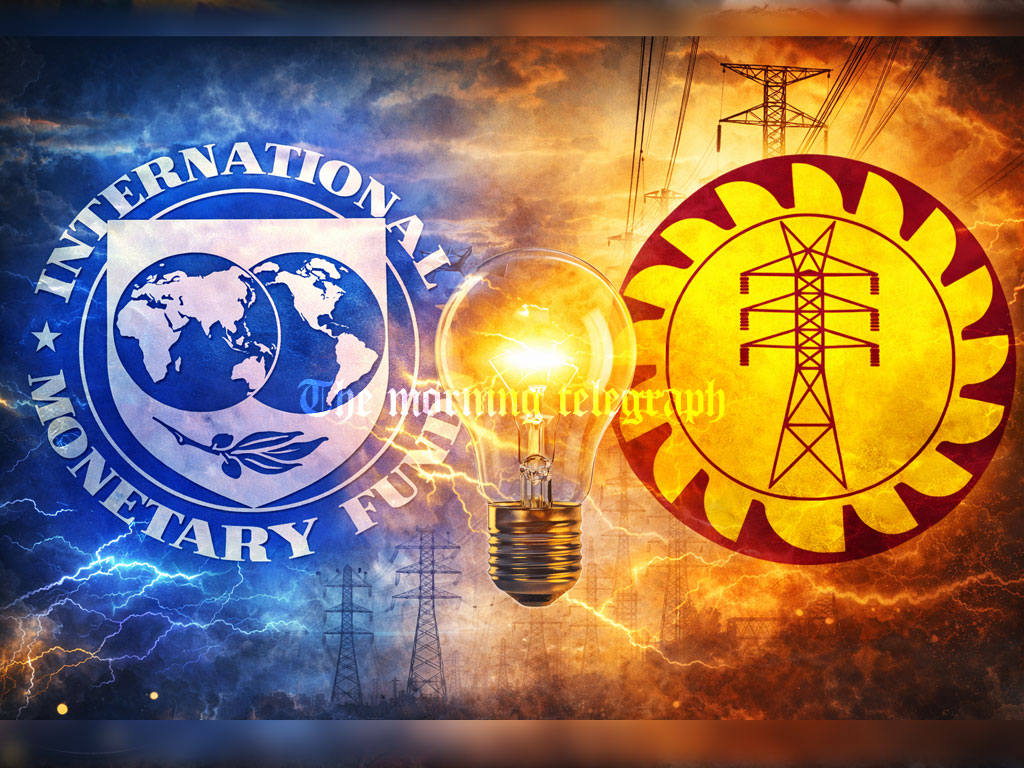
The IMF has reminded Sri Lanka that electricity prices must reflect real generation costs, as a senior delegation prepares to visit Colombo to assess cyclone damage and review progress under the bailout programme.
A delegation from the International Monetary Fund is scheduled to arrive in Sri Lanka on the 22nd of this month, according to Julie Kosak, Chief of Communications at the IMF. The visiting team will remain in the country until the 28th.
The delegation includes Krishna Srinivasan, Director of the IMF’s Asia and Pacific Department, and Evan Papageorgiou, Head of Mission to Sri Lanka. Their visit comes at a critical moment as Sri Lanka continues recovery efforts following recent cyclone damage.

The primary objective of the visit is to gain a comprehensive understanding of the economic and infrastructure damage caused by the cyclone. Discussions are also planned with the Sri Lankan government regarding challenges encountered in implementing the IMF assistance programme in the aftermath of the disaster. The talks are expected to focus on identifying the type and scale of support required for Sri Lanka’s economic recovery and policy continuity.
Ms. Kosak reiterated that maintaining an electricity tariff system aligned with the cost of generating a unit of power is a core commitment undertaken by Sri Lanka under the IMF programme. She emphasized that cost reflective electricity tariffs are essential to ensure long term financial sustainability.
Such a tariff framework is seen as vital for the stability of the Ceylon Electricity Board, allowing it to operate without accumulating losses and reducing pressure on public finances. The IMF delegation is expected to further engage local authorities on electricity pricing reforms, energy sector sustainability, and fiscal discipline during its stay.