By Jonathan Ferreira
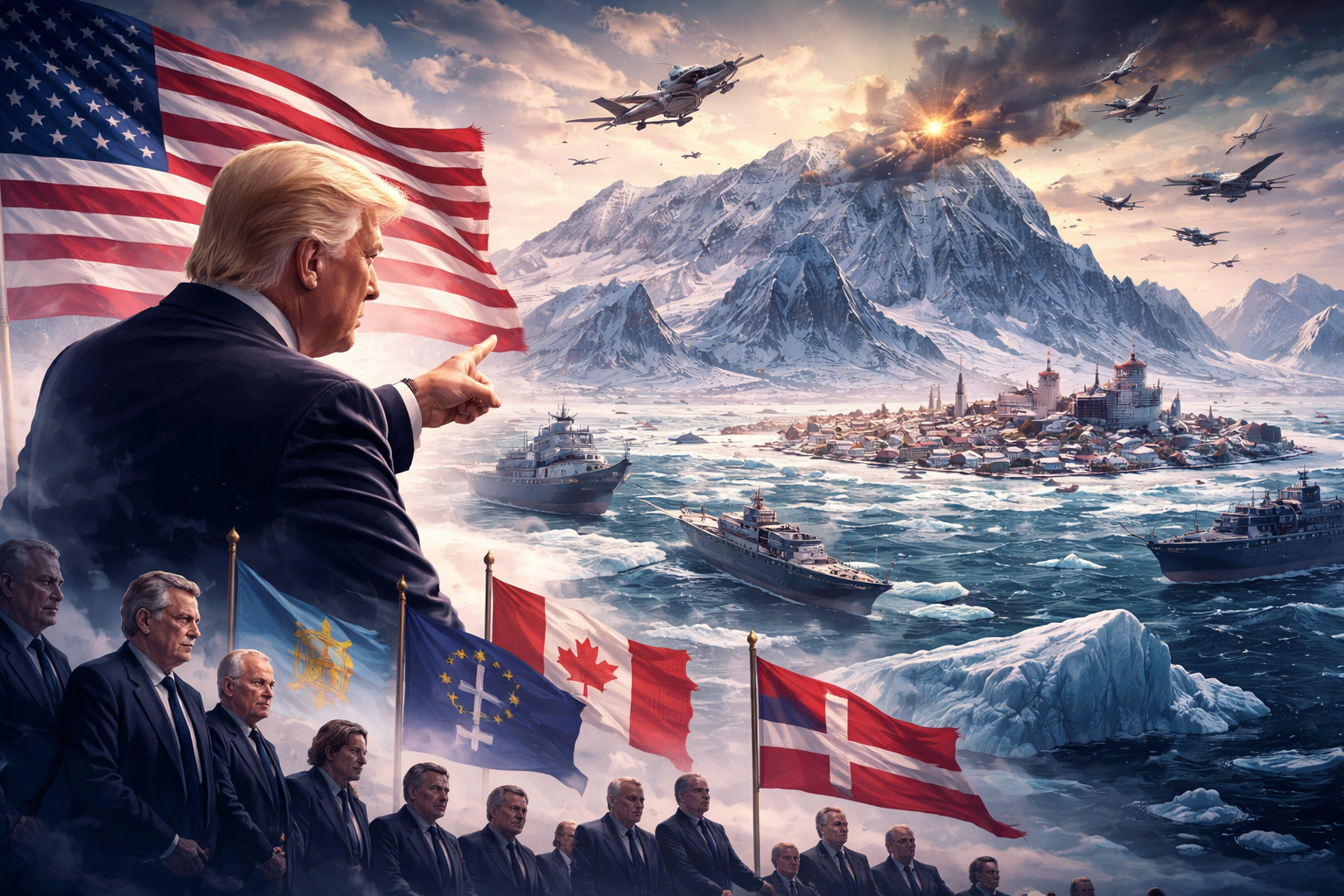
US President Donald Trump has intensified his push to take control of Greenland, declaring publicly that there is no going back and calling the territory essential to American interests. Asked at a White House briefing how far he would go to achieve that goal, Trump replied that people would find out, while insisting that outcomes in Greenland would turn out well. His comments have heightened global unease as leaders gathered ahead of the World Economic Forum in Davos, where Trump said multiple meetings on Greenland were planned. Allies expressed alarm at the tone and implications of his remarks, viewing them as part of a broader challenge to long standing international norms.

Trump also raised questions about the future of Nato, saying he was unsure whether allies would defend the United States even though he claimed America had done more than anyone else for the alliance. Nato leaders pushed back quickly, stressing that collective defence remains the foundation of the organisation and that commitments are unwavering. European Commission President Ursula von der Leyen said Europe stood fully committed to Arctic security but only through cooperation, adding that tariffs used as pressure were a mistake. Canada echoed that stance, reaffirming solidarity with Greenland and Denmark and insisting their sovereignty could not be negotiated away.
Greenland officials reacted with confusion and concern. Minister Naaja Nathanielsen said residents were bewildered and clear they did not want to become Americans, asking what value was placed on their culture and right to decide their future. France warned against a world without rules and criticised the growing use of tariffs tied to territorial demands. As tensions rise, diplomats fear escalating trade disputes and security rifts could further strain relations between the United States and its closest partners. Observers say uncertainty now overshadows diplomacy and reshapes global expectations.