With only three substandard coal shipments received out of 38 required, Sri Lanka faces a looming electricity crisis as Norochcholai struggles to deliver power amid quality failures, delays, and rising losses.
Sri Lanka is facing a growing risk of a serious electricity crisis as severe concerns emerge over the quality and timing of coal imports intended for the Norochcholai Power Plant, which supplies nearly one third of the country’s electricity demand.

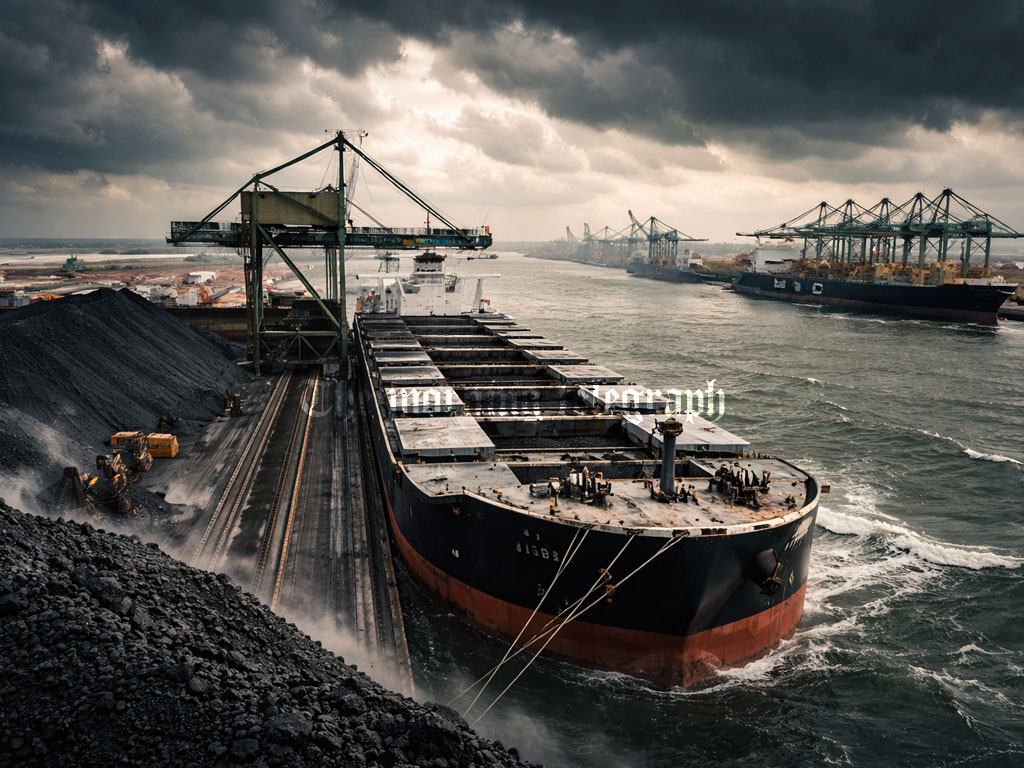
According to industry experts, 38 coal ships are required annually to maintain uninterrupted power generation. However, only three ships have arrived so far, and all three consignments have been identified as inferior in quality. Although coal stocks should ideally be secured before the onset of the southwest monsoon by mid March, this target now appears unachievable, with April fast approaching.
From April to September, rough sea conditions make coal unloading extremely difficult, compounding the urgency of the situation. Due to the inferior coal currently in use, a generator expected to produce 300 megawatts has only been able to deliver around 240 megawatts, significantly reducing generation capacity.
The Norochcholai Power Plant Laboratory has confirmed that the third shipment of coal also failed to meet contractual specifications. Instead of the agreed standard of 5900 kcal per kilogram, the delivered coal reportedly recorded calorific values between 5600 and 5800 kcal per kilogram.
Of the 38 ships required for the year, only three have arrived, while another three are expected in the coming days. Authorities estimate that losses amounting to approximately 750 million rupees have already been incurred due to substandard coal imports. The government has imposed a two million US dollar fine on the supplier of the first shipment.
Electrical engineers warn that lower thermal efficiency forces higher coal consumption to generate the same amount of electricity, increasing costs and operational strain. In response, Lanka Coal Company has initiated discussions with suppliers, enhanced sample testing prior to shipping, and begun considering emergency coal purchases.
Any disruption to Norochcholai’s operations could have severe consequences for Sri Lanka’s entire energy system in the months ahead.