A warning from a former regulator suggests Sri Lanka’s electricity consumers are heading for another painful hike, driven not policy but by poor-quality coal quietly draining the system.
Substandard Coal, Lower Power Output
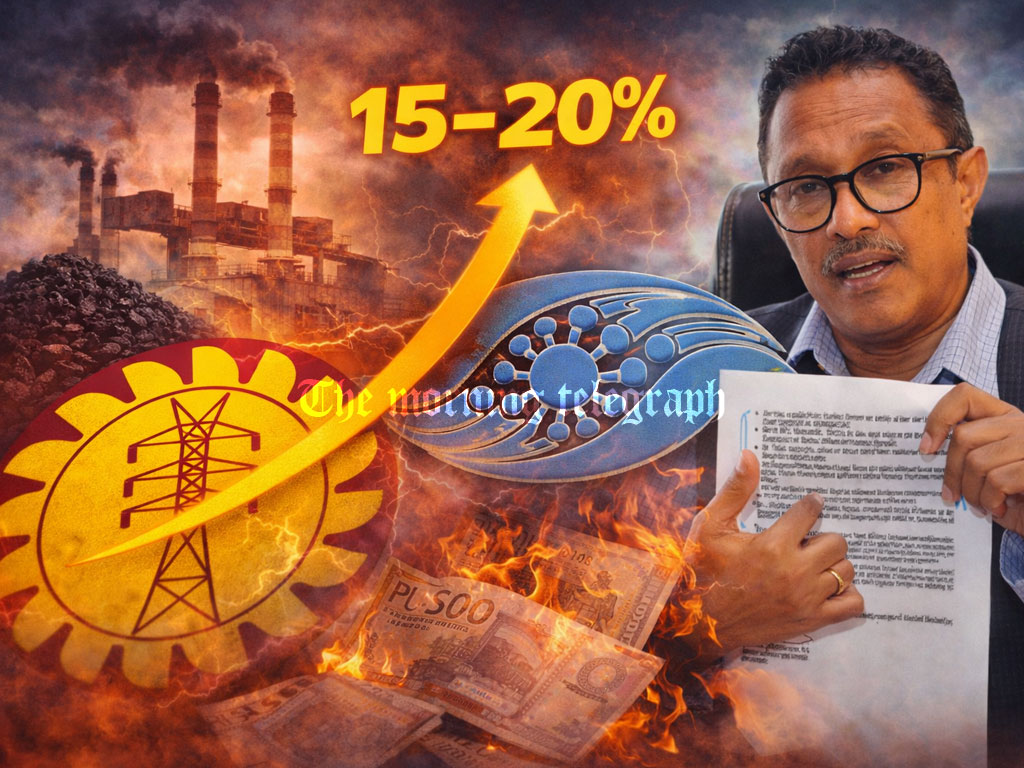
Former Chairman of the Public Utilities Commission Janaka Ratnayake has warned that electricity tariffs may rise by 15 to 20 percent due to the continued use of substandard coal for power generation. Speaking to the media, he explained that inferior coal directly reduces electricity generation capacity and creates serious financial stress within the power sector.

“Substandard coal reduces the electricity generation capacity. This is a simple fact that anyone can understand. Such a situation has a direct impact on electricity generation and also creates financial problems,” he said.
Ratnayake illustrated the issue with a basic comparison. Under normal conditions, a given quantity of coal delivers its full generation potential. However, with the coal currently being imported, power output drops by around 20 percent. This shortfall, he noted, is widely acknowledged within the sector.
Financial Losses Passed to the Public
According to Ratnayake, the reduced efficiency caused by inferior coal leads to significant operational losses for the electricity system. Those losses do not remain within institutions. Instead, they are eventually transferred to the public.
“This problem causes huge losses. Ultimately, all that burden falls on the shoulders of the public. That is, on the electricity consumers,” he said.
Tariff Hike Request Already Submitted
Ratnayake revealed that the Electricity Board has already submitted a request for a tariff increase covering the January to March period. If approved, electricity bills could rise by another 15 to 20 percent in an effort to offset losses linked to coal quality issues.
As energy costs continue to climb, the warning highlights how procurement failures and fuel quality concerns are now directly shaping the cost of living for households across Sri Lanka.