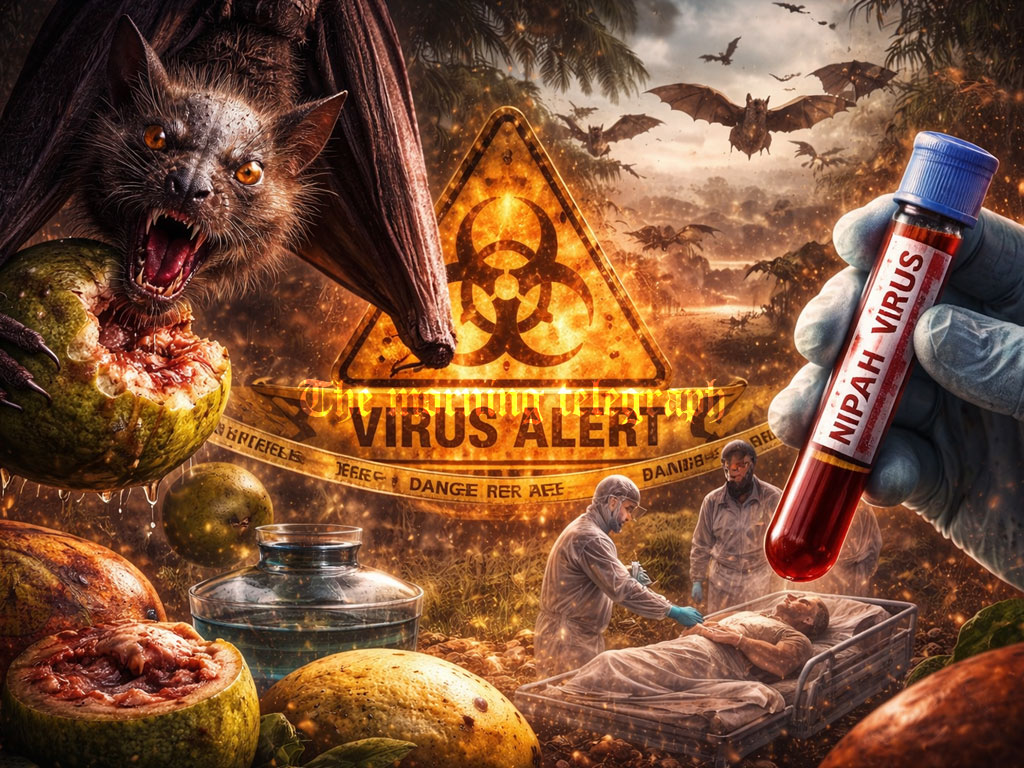
With a fatality rate that can reach 75 percent and no approved cure, the Nipah virus is once again raising alarm worldwide. Here is what Sri Lankans urgently need to know.
After the Covid pandemic reshaped global awareness of infectious diseases, attention has now turned to another highly dangerous pathogen: the Nipah virus. Identified by the World Health Organization as a virus of serious global concern, Nipah is considered one of the deadliest viruses known, with mortality rates ranging between 40 percent and 75 percent among those infected.

The Nipah virus was first detected during an outbreak in 1998 and 1999 in Sungai Nipah, a village in Malaysia. Early cases were linked to communities living near pig farms. Investigations later confirmed that fruit bats were the natural carriers of the virus. Transmission occurred from bats to pigs and then to humans, creating a deadly chain of infection.
Recent outbreaks reported in India and Bangladesh have highlighted multiple transmission routes. Humans can contract Nipah by consuming fruits contaminated with bat saliva or droppings, drinking raw bat-contaminated beverages, or through direct contact with infected animals. Most concerning is the ability of the virus to spread from person to person, particularly among caregivers, family members, and healthcare workers in hospital settings.
Symptoms typically appear within four to fourteen days after infection. Early signs include fever, headache, cough, and breathing difficulties. In severe cases, the virus attacks the brain, leading to encephalitis. Patients may experience confusion, seizures, and in extreme situations, slip into a coma within 24 to 48 hours.
At present, there is no approved antiviral treatment or vaccine for the Nipah virus. Medical care focuses on managing symptoms and providing intensive supportive treatment. Ongoing research, including WHO-backed vaccine trials, is underway but has yet to produce a definitive solution.
In Sri Lanka, no officially confirmed Nipah cases have been reported so far. However, the widespread presence of fruit bats and the proximity to affected neighboring countries underline the need for vigilance. Public health experts stress preventive measures such as avoiding partially eaten or fallen fruits, washing fruits thoroughly, avoiding open liquid sources near bat habitats, and seeking immediate medical attention if symptoms appear.
Awareness, hygiene, and early action remain the strongest defenses against a potential outbreak.