By Dwayne Ferreira
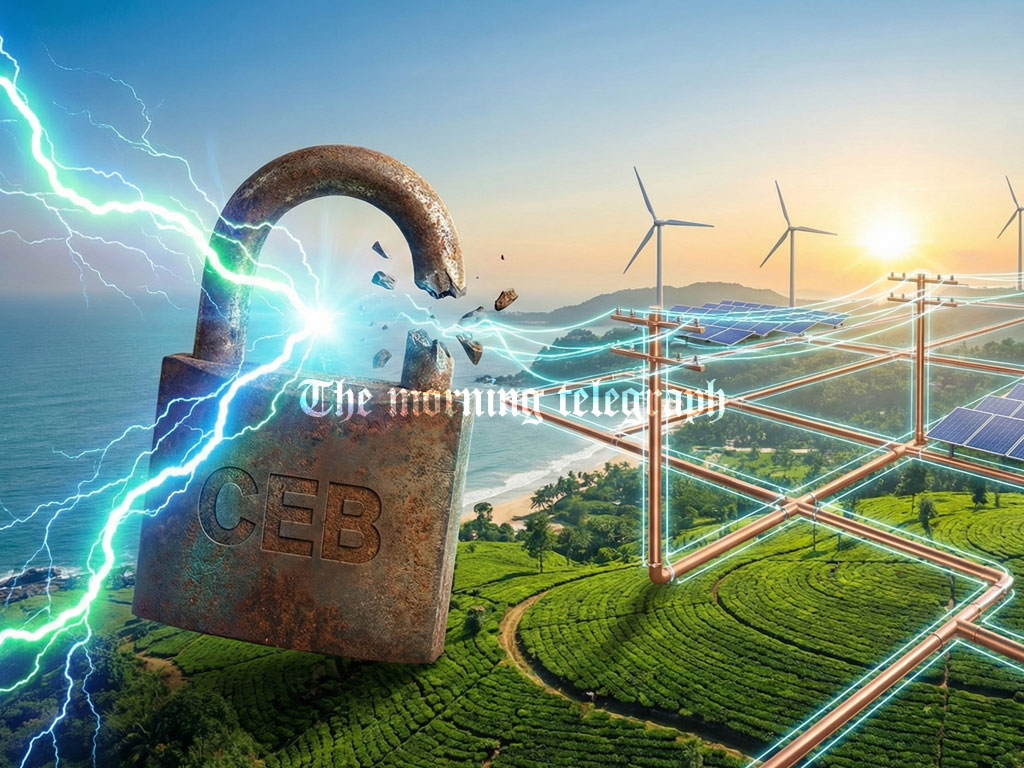
For decades, the Ceylon Electricity Board (CEB) has stood as a monolithic symbol of Sri Lanka’s state-led energy strategy—and its significant fiscal burden. However, a major milestone reached this week marks the beginning of the end for the traditional utility model. The formalizing of the Initial Vesting Plan, now ready for Cabinet approval, signals a radical restructuring that aims to transform the island’s power sector from a debt-heavy utility into a competitive, modern grid.

The core of this shake-up is the strategic unbundling of the CEB into independent entities. By separating generation, transmission, and distribution, the government is effectively dismantling a monopoly that has struggled with systemic inefficiencies and massive state subsidies. This transition is not merely administrative; it is designed to create transparency. For the first time, the actual costs of producing a kilowatt of power will be visible at every stage of the journey from the power plant to the household plug.
This structural overhaul is the engine behind the move toward “cost-reflective tariffs” slated for 2026. While the end of massive state subsidies can be a sensitive political topic, the goal is long-term energy security. By aligning electricity prices with the actual cost of production, Sri Lanka aims to stabilize the national balance sheet. For consumers, while the era of subsidized power is ending, the new framework promises a more reliable grid and, eventually, lower costs driven by competitive generation.
Perhaps the most significant impact of this shake-up is the signal it sends to the private sector. A fragmented, transparent grid is far more attractive to renewable energy investors. Under the old model, independent power producers often faced bureaucratic and financial hurdles when trying to integrate wind or solar projects.
By creating dedicated transmission and distribution companies, Sri Lanka is clearing the path for a new era in the green energy space. This is essential for meeting the country’s ambitious goal of reaching 70% renewable energy by 2030. With the Vesting Plan moving to the Cabinet, the “Great Electricity Shake-up” is no longer a policy theory, it is a live economic transformation.