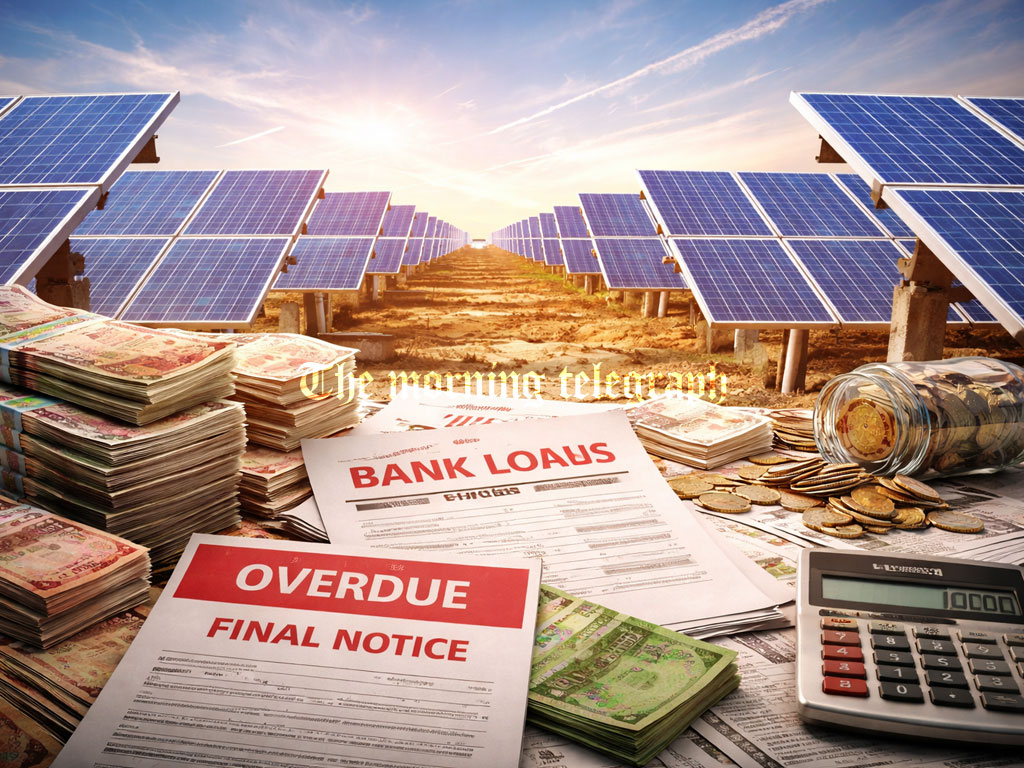
A sharp drop in the price paid for solar and small hydro electricity has left thousands of Sri Lankans struggling to repay bank loans, raising fresh concerns about renewable energy policy, investor confidence, and financial stability.
The price paid for electricity generated through solar power has fallen dramatically, creating serious financial pressure on individuals and businesses that invested heavily in renewable energy projects. The Lanka Electricity Board has reduced the purchase price of a unit of solar electricity over time, while also limiting purchases on weekends and public holidays, compounding the impact on producers.

Previously, the price paid for a unit of solar electricity stood at Rs. 37. This was later reduced to Rs. 27, and has now dropped further to just Rs. 17 per unit. Small hydro power plants have also been affected by similar pricing and purchasing restrictions, placing renewable energy operators in a difficult position.
Around 70 percent of the cost of building rooftop solar systems, solar power plants, and small hydro power stations is financed through bank loans. As a result, banks have provided loans to nearly 150,000 individuals and entities involved in these renewable energy projects.
Of these, approximately 360 loan holders operate solar power plants and are now facing severe repayment challenges due to reduced income. Plant owners say the current tariff does not reflect the true cost of production or financing.
Industry estimates suggest that building a one megawatt solar power plant costs about Rs. 350 million, while constructing a one megawatt small hydro power plant requires close to Rs. 500 million. With revenues shrinking, many fear defaults, rising non performing loans, and long term damage to Sri Lanka’s renewable energy sector.