As Washington tightens pressure on countries trading with Iran, Sri Lanka has signaled it will not back away from its long standing partnership with Tehran, reaffirming key agreements even amid rising geopolitical risk.
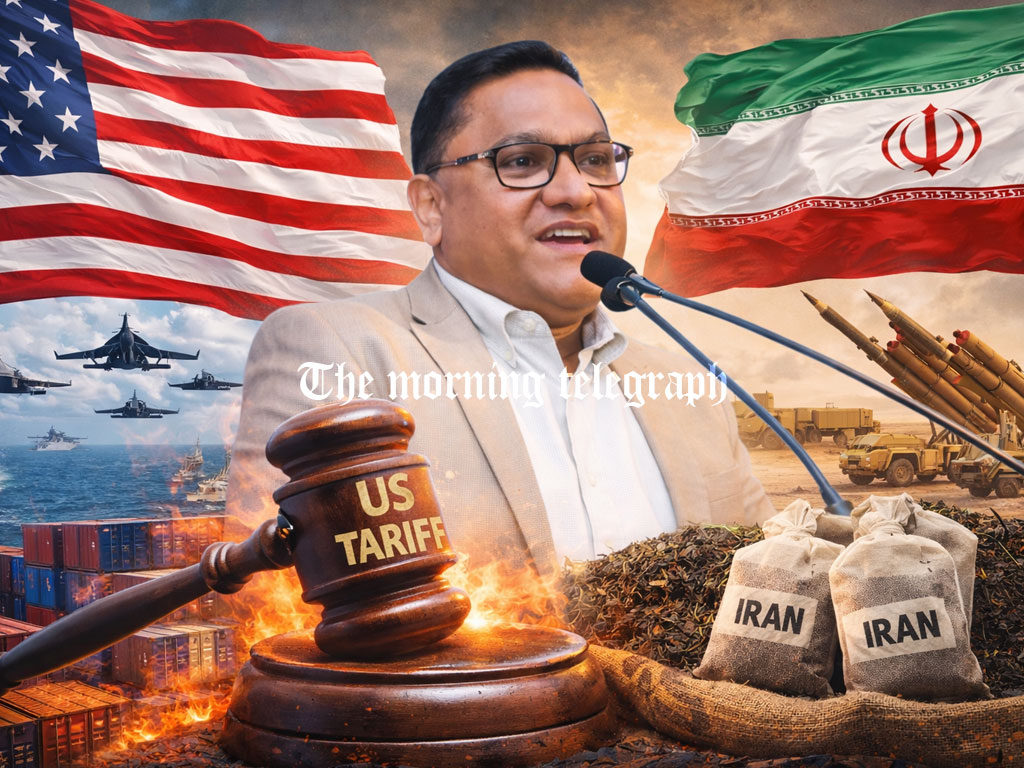
Despite growing tensions in West Asia and fresh tariff threats from the United States, Sri Lanka and Iran have agreed to continue and strengthen their bilateral relationship, according to a report by the Sunday Times. The commitment was reaffirmed during a recent telephone conversation between Sri Lanka’s Foreign Minister Vijitha Herath and Iranian Foreign Minister Abbas Araghchi.

Addressing speculation that Sri Lanka may halt exports to Iran due to Western sanctions, Minister Herath categorically denied such plans. He emphasized that no decision has been taken to suspend trade and confirmed that existing agreements remain intact.
Central to the discussion was the continuation of the oil for tea swap arrangement, a unique bilateral mechanism designed to settle a US$250 million debt owed by Sri Lanka for crude oil imports made prior to international sanctions on Iran. Under this arrangement, Sri Lanka exports tea worth approximately US$5 million per month to Iran, with shipments continuing from August 2023 onwards.
Payments under the scheme are facilitated by the Ceylon Petroleum Corporation, which settles dues to local tea exporters through the Sri Lanka Tea Board. Officials view the mechanism as compliant with international financial regulations while supporting Sri Lanka’s vital tea export sector.
During the conversation, Iranian Foreign Minister Abbas Araghchi noted that Iran’s economy is showing signs of recovery. Both sides also expressed optimism that ongoing talks between the United States and Iran, mediated by Oman, could lead to an improvement in bilateral relations.
Minister Herath reiterated Sri Lanka’s longstanding friendship with Iran and acknowledged Tehran’s continued diplomatic support, particularly at the United Nations Human Rights Council.
The discussion took place shortly before US President Donald Trump signed an executive order imposing additional tariffs on countries engaged in trade with Iran. The order raises the possibility of a 25 percent tariff on goods entering the United States from countries that directly or indirectly purchase Iranian goods or services.
Despite these risks, the Sri Lankan government expects its special trade arrangements with Iran to continue in line with international financial norms and national economic interests.