By Jonathan Ferreira
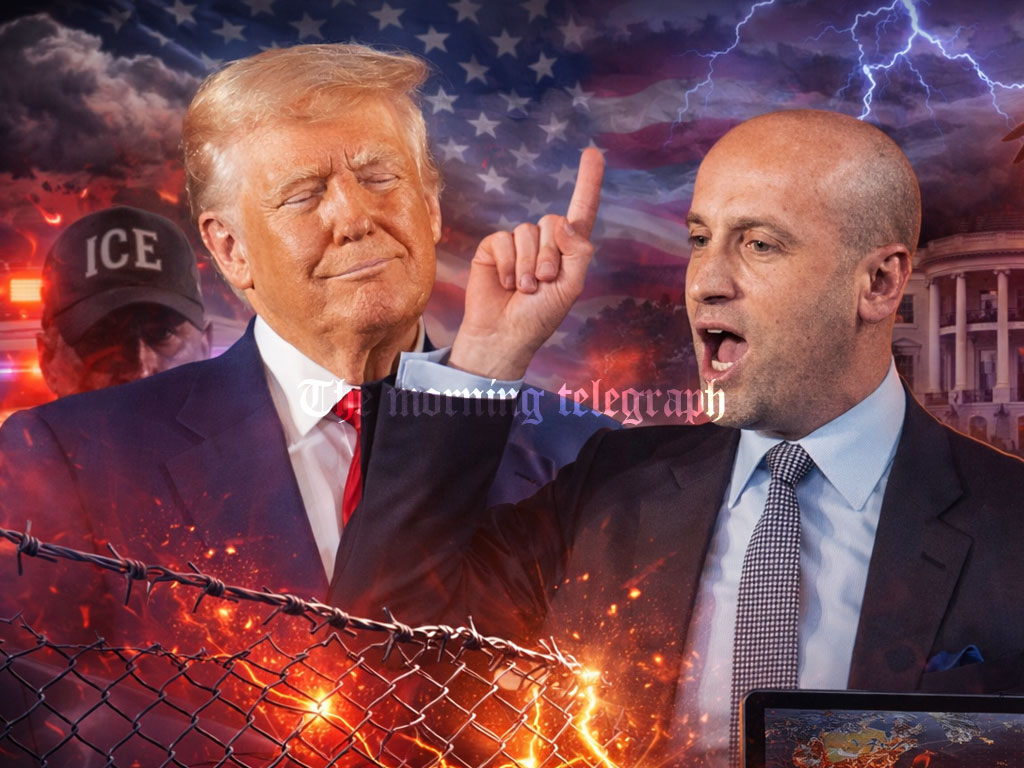
A behind-the-scenes power broker, Stephen Miller’s hardline influence is reshaping Trump’s policies and redefining the boundaries of American governance.
Stephen Miller has emerged as one of the most influential and controversial figures in President Donald Trump’s second administration, shaping both domestic and foreign policy through an aggressive, unapologetic approach. A longtime Trump loyalist, Miller now serves as deputy chief of staff for policy and homeland security adviser, placing him at the centre of the administration’s most hardline decisions.

Miller has been a key architect of the administration’s intensified immigration crackdown, pushing federal agencies to dramatically increase arrests and deportations. His public rhetoric, often combative, has drawn sharp criticism following the fatal shooting of US citizens during encounters with immigration officers in Minneapolis. After initially accusing one of the victims of terrorism, Miller later issued a rare partial retreat, saying early assessments were based on reports from officers at the scene.
Despite the backlash, Miller has defended the administration’s actions as fulfilling voter expectations. However, public support for Trump’s immigration policies has declined, with recent polling showing growing concern that enforcement tactics have gone too far. The shift has prompted Trump himself to call for a “softer touch,” a move seen by critics as distancing the president from Miller’s approach ahead of midterm elections.
Beyond immigration, Miller’s influence has expanded into foreign policy. He has played a central role in operations across the Caribbean and Latin America, including efforts targeting drug trafficking and the removal of Venezuela’s president. His comments asserting US dominance in the Western Hemisphere and questioning Denmark’s control of Greenland have unsettled allies and some Republicans.
Miller’s rise reflects his deep personal bond with Trump, forged during the president’s political rise and maintained through electoral defeat and return to power. While critics on the left and right accuse him of extremism and overreach, allies argue his loyalty and ideological clarity make him indispensable. For now, Miller remains firmly embedded in Trump’s inner circle.