By Jonathan Ferreira
After weeks of public division and internal strain, Australia’s opposition coalition has stitched itself back together, seeking unity and credibility amid political pressure, voter scepticism, and the growing challenge of rival parties on the right.
Australia’s main opposition alliance, the Liberal-National Coalition, has reunited after a more than two-week split triggered by disagreements over new hate speech laws. The centre-right partners confirmed on Sunday that they had resolved their differences and would move forward together after a public fallout in January.

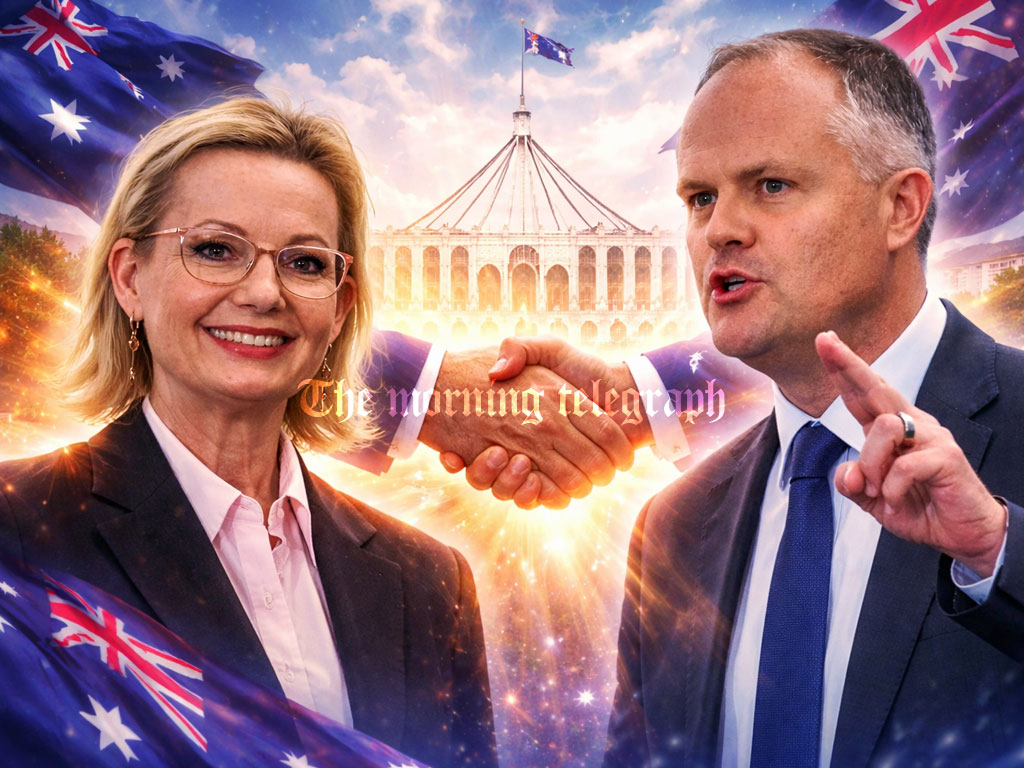
Liberal Party leader Sussan Ley appeared alongside National Party leader David Littleproud in Canberra, declaring the coalition was focused on rebuilding and looking ahead. She said the opposition had a responsibility to provide stability, scrutiny and leadership after a challenging period for both parties.
The coalition fractured on 22 January after the Nationals refused to support hate speech reforms introduced by the Labor government following a deadly shooting at a Jewish festival in Bondi Beach in December. The attack killed 15 people and prompted the government to fast-track legislation aimed at curbing extremism and incitement to violence.
While the Liberals backed the reforms, the Nationals raised concerns about free speech and the speed with which the laws were introduced. They abstained in the lower house and voted against the measures in the Senate, arguing the legislation risked unintended consequences.
The split marked the second time in less than a year that the long-standing political partnership had broken down. A previous separation in May, largely over climate and energy policy, was resolved within a week. This latest dispute lasted longer and followed a heavy election defeat for the coalition last year.
Under the new agreement, both parties have committed to respecting decisions made by the coalition’s joint shadow cabinet, preventing either side from unilaterally overturning agreed positions. Ley said the arrangement was essential to restoring trust and unity.
The coalition now faces mounting political pressure, including rising support for Senator Pauline Hanson’s One Nation party and ongoing challenges in regaining voter confidence after significant seat losses at the last federal election.