By Jonathon Ferreira
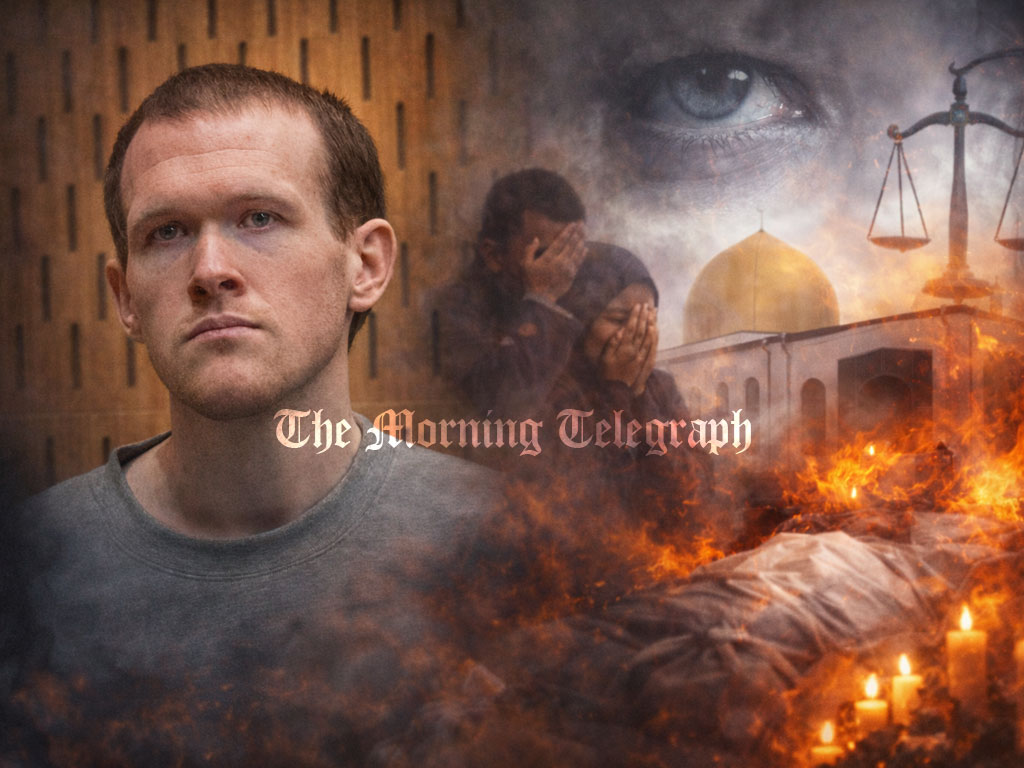
Six years after the Christchurch mosque massacre, the convicted gunman’s bid to overturn his guilty plea has reignited grief, outrage, and deep unease across New Zealand as families brace for another painful chapter in their long search for closure.
The man responsible for the 2019 Christchurch mosque attacks has appeared in court seeking to overturn his guilty plea, reopening one of New Zealand’s darkest chapters and reviving painful memories for victims’ families.
Australian-born Brenton Tarrant, who killed 51 people and attempted to murder 40 others at two mosques in Christchurch, is serving a life sentence without the possibility of parole. He pleaded guilty in 2020 to 51 counts of murder, 40 counts of attempted murder, and one charge of terrorism, after initially denying responsibility.

Tarrant has now lodged an appeal with New Zealand’s Court of Appeal, arguing that his guilty plea was invalid because he was unable to make rational decisions at the time. His lawyers claim he was subjected to “torturous and inhumane” prison conditions that impaired his mental state. The appeal was filed out of time but has been accepted for consideration, with hearings expected to last the full week.
He is also seeking to appeal his sentence. Tarrant is expected to give evidence remotely via video link. Victims and family members will be able to observe proceedings through a delayed broadcast.
For many affected by the attack, the appeal has reopened trauma they believed had been put to rest. Aya al-Umari, whose brother Hussein was killed at the Al Noor mosque, said the process had forced families to relive their grief. She accused Tarrant of seeking attention and said she was determined not to let the appeal cause further harm.
Hussein al-Umari was later awarded a New Zealand Bravery Star for confronting the attacker. At the original sentencing, then prime minister Jacinda Ardern said life imprisonment without parole would deny Tarrant any platform or notoriety.
If the court allows the guilty plea to be withdrawn, the case could proceed to a full trial. If not, a separate hearing will later address the sentence appeal.