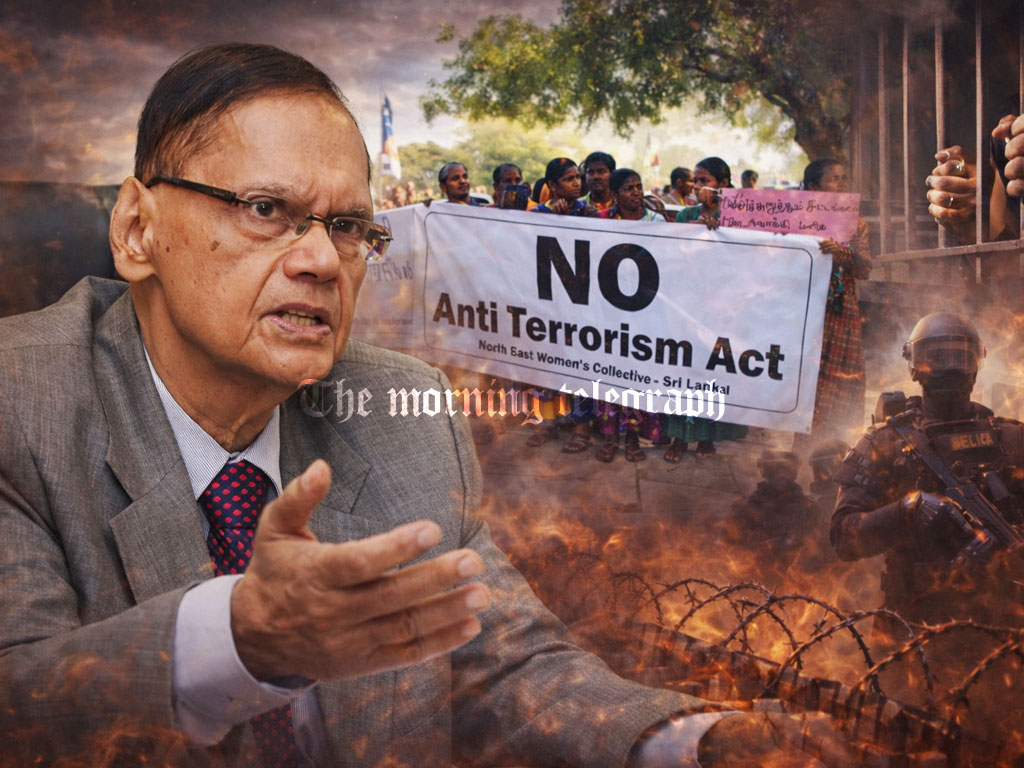
Professor G. L. Peiris cautions that the proposed Anti-Terrorism Bill threatens fundamental freedoms, economic stability, and Sri Lanka’s international standing, calling it a turning point with far-reaching consequences.
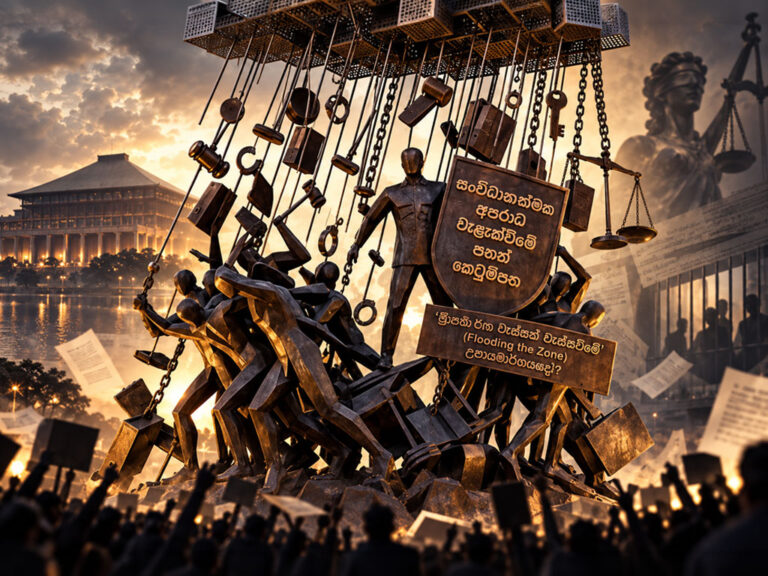
Former Minister Professor G. L. Peiris has issued a strong warning over the proposed Anti-Terrorism Bill, describing it as one of the most consequential and dangerous pieces of legislation introduced in Sri Lanka in recent decades. Speaking at a special media conference held by the Joint Opposition at the Dr. N. M. Perera Center in Borella, he said the bill, published on the Ministry of Justice website last December, could mark a serious decline in the country’s intellectual and democratic culture.

He rejected suggestions that his concerns are exaggerated. According to him, freedoms of speech, expression, association, and assembly, rights enjoyed daily by citizens, cannot be protected if this bill becomes law. He warned that people may be forced to live in fear under sweeping legal powers.
Professor Peiris also stressed that the consequences would not be limited to domestic governance. Sri Lanka, he noted, has entered into multiple international agreements, including special arrangements with the European Union. These agreements allow the country to export goods such as textiles, tea, fish products, pearls, and leather to European markets without tariffs under the GSP Plus concession.
He cautioned that GSP Plus privileges are conditional and depend on compliance with international human rights commitments. Passage of the bill in its current form, he argued, could place Sri Lanka in violation of those obligations and threaten thousands of export sector jobs.
The Human Rights Commission of Sri Lanka has already highlighted potential dangers, he said, and the South Asian Media Organization has issued a strong warning as well.
The bill, officially titled the Protection of the State from Terrorism Act, appears, in his view, more focused on protecting the state than safeguarding citizens’ rights. While he acknowledged that temporary special laws may be necessary in extreme situations involving terrorism, he identified the lack of a clear definition of terrorism as the central flaw.
Thirteen major terrorist offences are listed in the draft, yet the scope is broad and vague. Acts indirectly encouraging terrorism are included, but the essential elements of such crimes are not clearly defined. This ambiguity, he warned, creates serious risks to fundamental rights and opens the door to flexible indictments and lengthy prison terms without clear standards.
He further stated that under the bill, even refraining from an act could be interpreted as a terrorist offence. The armed forces, police, and coast guard would receive extensive powers, including authority to enter homes, conduct searches, seize documents, and set up roadblocks.
The Secretary of Defense would be empowered to issue detention orders, allowing individuals to be held for up to one year. The executive could also establish approved detention centers. Given Sri Lanka’s troubled history of human rights violations and torture allegations, he described these provisions as deeply concerning.
Professor Peiris concluded that the bill must be reconsidered and amended to prevent long term damage to democracy, the economy, and Sri Lanka’s global reputation.