Sri Lanka suspends fresh trade negotiations as a high-powered expert panel reassesses free trade agreements, economic sovereignty, and long-term recovery strategy amid global uncertainty.
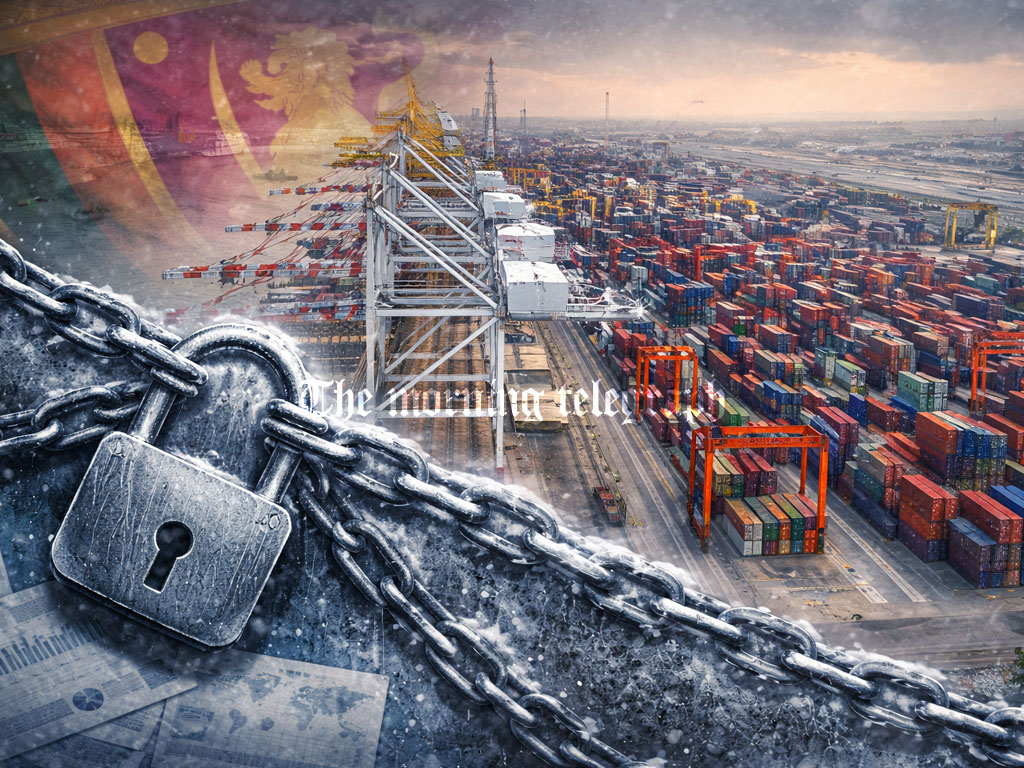
The Government of Sri Lanka has taken a decisive step by placing all new and pending trade negotiations on hold, signaling a strategic reset of its national trade policy. This temporary freeze applies to both ongoing Free Trade Agreement discussions and potential future deals, pending the outcome of a comprehensive high-level review. Officials say the move is designed to ensure that future trade agreements are pursued on what they describe as a logical and evidence-based foundation that safeguards national interest.

At the center of this policy pause is an expert committee appointed by the Cabinet of Ministers. The panel has been tasked with examining the full architecture of Sri Lanka’s trade framework. Its scope covers existing bilateral trade agreements, negotiations that were underway, and prospective partnerships. According to Ministry of Trade, Commerce, Food Security, and Co-operative Development Secretary K.A. Vimalendhirarajah, no new agreements will be initiated and no stalled negotiations will resume until the committee presents its recommendations, expected in June.
The composition of the committee reflects a cross-sector approach, bringing together senior officials, policy experts, and researchers with technical expertise in international trade, economic policy, and fiscal management. Its mandate is broad and forward-looking. Beyond assessing the effectiveness of current Free Trade Agreements, the panel must also evaluate the long-term implications of entering new markets under preferential terms at a time when global supply chains are shifting and trade uncertainty is increasing.
This review represents a clear departure from the previous administration’s rapid expansion of trade partnerships. During that period, Sri Lanka signed a bilateral trade agreement with Thailand and initiated exploratory discussions with China, Malaysia, Indonesia, and Bangladesh. The strategy aimed to diversify export markets, strengthen integration into Asian supply chains, and attract foreign investment. However, the current government appears determined to slow the pace and reassess the economic impact of such commitments.
Sri Lanka’s existing trade framework already includes agreements with India, Pakistan, and Singapore, alongside the recently concluded Thai pact. The country also benefits from regional and multilateral preference schemes linked to SAARC and other Asia-Pacific trade mechanisms. Additionally, exporters access tariff concessions under the United Kingdom’s Developing Countries Trading Scheme. Together, these arrangements form a complex network that influences export competitiveness, revenue collection, and domestic industry protection.
Analysts interpret the government’s decision as an effort to recalibrate national trade strategy in the aftermath of the economic crisis. Policymakers are increasingly focused on aligning trade commitments with domestic industrial capacity, revenue sustainability, foreign reserve management, and post-crisis economic recovery goals. There is growing recognition that trade liberalization must be balanced with protecting local industries and ensuring inclusive economic growth.
Ultimately, the committee’s findings will not only determine whether suspended negotiations resume, but will also shape how Sri Lanka positions itself within a fragmented global trading system. The coming months are likely to define the country’s economic diplomacy, export diversification strategy, and long-term integration into regional and global markets.