A flashy ceremony for one group match has reignited debate over ICC priorities, commercial interests, and whether cricket’s biggest rivalry is being overhyped at the cost of fairness.
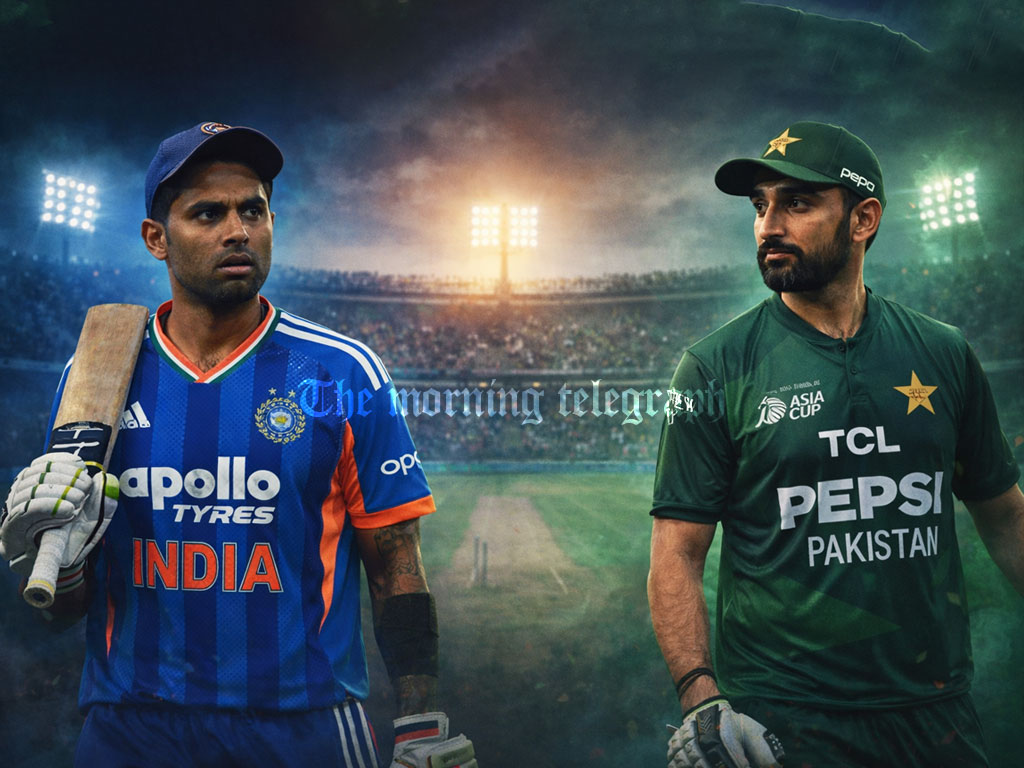
All arrangements are reportedly in place for tonight’s high-voltage preliminary round clash between India and Pakistan at the R. Premadasa Cricket Stadium in Colombo. Adding to the spectacle, organizers have planned a special opening ceremony before this single group stage match, with Hanumankind set to perform.

But here is the question many cricket fans are quietly asking. Why hold an opening ceremony for just one match?
There was no grand opening ceremony for the 2023 ODI Cricket World Cup. In fact, there was no major ceremony even before the inaugural match of that tournament. Yet, during that same World Cup, a special show was organized only for the India-Pakistan encounter. Now, in the 2026 T20 Cricket World Cup, a similar pattern appears to be repeating.
Globally, major sporting events such as the FIFA World Cup or the Rugby World Cup traditionally host opening ceremonies before the first match of the tournament, followed by another ceremony before the final. That structure respects the event as a whole. Organizing a grand show for a single preliminary match raises questions about intent and priorities.
When looking at cricket history, particularly ICC tournaments in both ODI and T20 formats, the numbers are clear. Out of 16 World Cup meetings, India has won 15 and Pakistan just one. While the political and historical rivalry between the two nations fuels emotional narratives, the on-field statistics tell a largely one-sided story.
Another point that continues to draw attention is how India and Pakistan consistently land in the same group in ICC tournaments. In global competitions like football, groups are decided by transparent draws. Yet in cricket, the two teams seem to share the same group almost every time. On what basis are these group allocations made? Transparency remains limited.
Critics argue that the ICC appears more focused on the commercial magnetism of an India-Pakistan clash than on maintaining competitive balance and sporting neutrality. There are numerous high-quality matchups in international cricket, but none receive the promotional intensity given to this rivalry.
The concern is not about the match itself. It is about the message sent to other cricketing nations. Elevating one fixture above all others risks undermining the integrity of the tournament. Cricket already operates in an ecosystem where India wields enormous financial influence. When spectacle overtakes sport, the spirit of the game may suffer.
Debates like this may not alter decisions. Yet they reflect a growing discomfort among fans who believe cricket’s global appeal should not revolve around a single rivalry, however historic it may be.