Sri Lanka’s government admits fuel tax relief is no longer feasible as mounting debt, fiscal pressures, and economic realities force a rethink of earlier promises made during opposition politics.
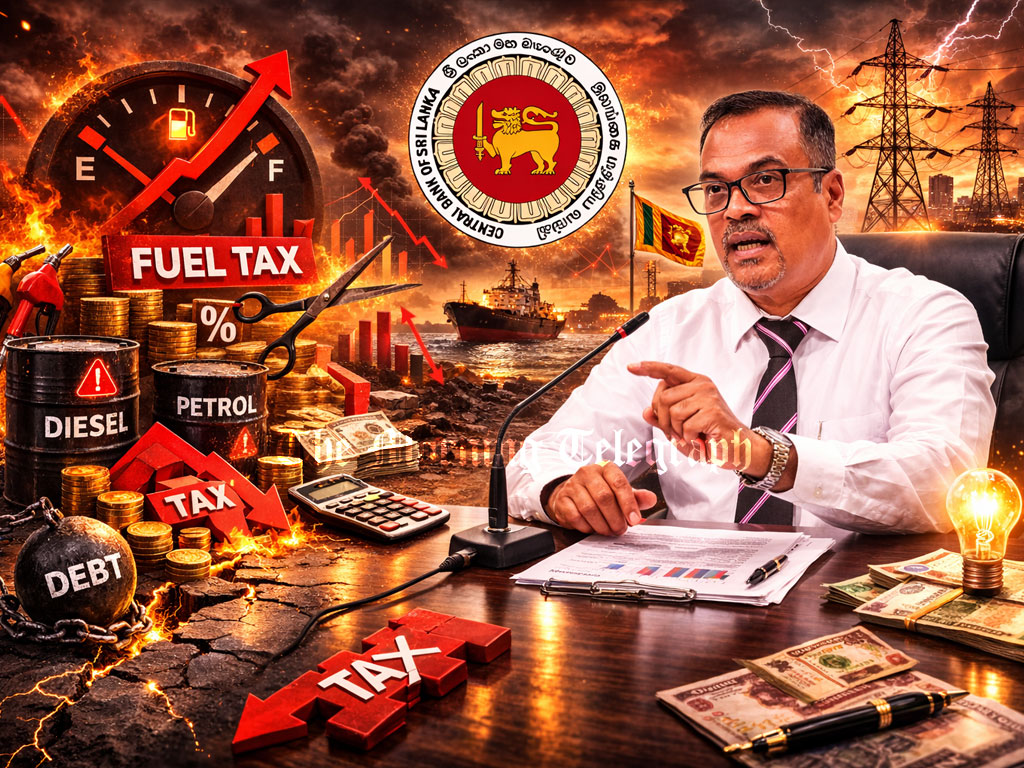
Deputy Minister of Finance Anil Jayantha addressed growing public frustration over fuel taxes, clarifying why earlier proposals to reduce fuel taxes cannot be implemented under current economic conditions. Speaking on the Ada Derana 360 program, he responded to questions about past statements made during the opposition period regarding easing the burden on citizens when global oil prices rise.

At that time, the proposal suggested that governments should absorb part of the impact by reducing taxes instead of passing the full cost onto the public. However, Jayantha explained that the current fiscal environment does not allow such flexibility. He stressed that those earlier statements were not opportunistic, but circumstances have changed significantly.
He revealed that the Ceylon Petroleum Corporation inherited a massive debt burden, which had to be transferred to the Treasury. As part of the debt restructuring process, the government is required to settle substantial liabilities, including Rs. 99.9 billion to the Bank of Ceylon and Rs. 32 billion to the People’s Bank. These financial obligations have made it difficult to reduce fuel-related taxes immediately.
Jayantha noted that existing fuel taxes are largely structured as excise duties designed to service this debt. Removing them abruptly would create further fiscal instability. He also highlighted the concept of a Price Stabilization Fund, used globally to manage fuel price volatility, and acknowledged that similar mechanisms in Sri Lanka had previously been misused. Efforts are underway to reintroduce such a system responsibly.
Responding to criticism over unfulfilled pre-election promises, the Minister emphasized that policies must be viewed within the broader economic recovery context. He concluded that current tax levels are a necessary measure to manage Sri Lanka’s debt burden and maintain financial stability.