From fiery opposition rhetoric to hard governing realities, Sri Lanka’s leadership is caught in a cycle of reversals that expose the widening gap between political promises, economic truth, and public expectations.
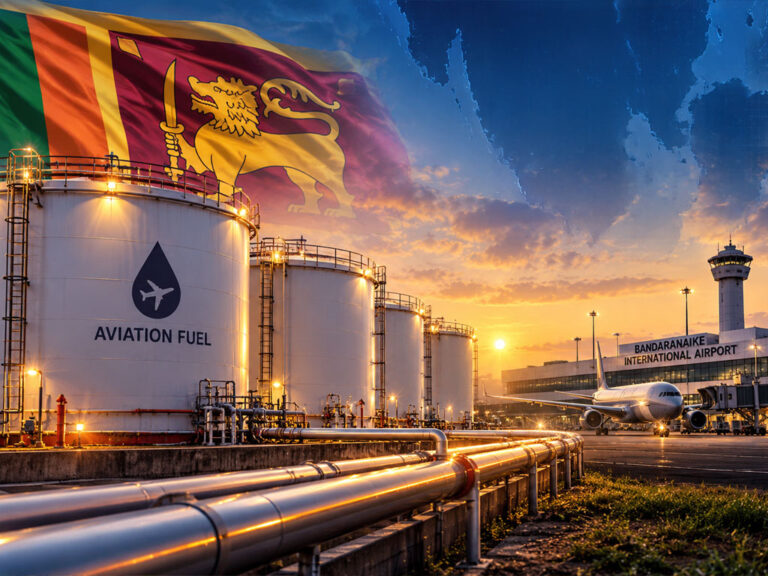
There appears to be no clear end to the series of policy reversals that have come to define the JVP-led government’s time in power. Almost every major sector has experienced a shift in direction, with the most recent example being the sudden reintroduction of the QR-based fuel rationing system to manage Sri Lanka’s limited petroleum reserves. This move follows weeks of hesitation and mixed messaging, leaving the public questioning both preparedness and consistency. What makes the situation more complex is that the government’s past statements, made during its time in opposition, are now widely available in the digital space, forming a parallel narrative that continues to haunt its present decisions. The Opposition has effectively leveraged archived speeches and social media posts to highlight contradictions, creating a powerful political counterweight.

One such example gaining renewed attention is a speech delivered by President Anura Kumara Dissanayake during his opposition days. In that speech, he strongly dismissed claims made by the United National Party that former President Ranil Wickremesinghe had successfully resolved fuel shortages through the QR system. Dissanayake argued that the system had no real impact, instead attributing the disappearance of fuel queues to soaring fuel prices that reduced demand. His remarks implied that economic hardship, rather than policy effectiveness, was responsible for stabilizing supply. Fast forward to the present, the government itself has increased fuel prices while reintroducing the same QR mechanism it once criticized. Officials now justify the price hikes as necessary to curb panic buying and excessive demand, especially in light of global oil price fluctuations and supply chain disruptions linked to geopolitical tensions.
Senior government representatives initially maintained that rationing would not be necessary. Cabinet Spokesman Dr. Nalinda Jayatissa and Ceylon Petroleum Corporation Chairman D. J. Rajakarauna assured the public that sufficient fuel stocks were available and that queues were driven primarily by hoarding and panic. They emphasized that the situation differed significantly from the crisis of 2022. However, this position shifted dramatically when the government reinstated the QR-based distribution system. The reversal has fueled criticism and intensified scrutiny over policy coherence and crisis management.
Opposition figures have seized the moment, arguing that the government has effectively adopted the very strategy it once condemned. Yet, they often omit the context of their own governance failures that contributed to the earlier economic collapse. The present crisis differs in key ways, particularly due to global supply disruptions caused by international conflicts, which have constrained access to fuel despite improved foreign currency reserves. Nevertheless, critics argue that a more timely reimplementation of the QR system could have mitigated panic buying and prevented hoarding. The delayed response has allowed opportunistic behavior to flourish, further straining already limited resources.
The pattern of reversals within the NPP government can broadly be categorized into positive and negative shifts, as well as economic and political recalibrations. On the positive side, one of the most significant changes has been the government’s decision to adhere to the International Monetary Fund program. During the election campaign, the NPP criticized the IMF agreement, promising to renegotiate its terms. However, once in power, it adopted a more pragmatic stance, recognizing that deviating from the program could destabilize the economy. This decision, while a departure from earlier rhetoric, has contributed to maintaining a degree of economic stability and investor confidence.
Similarly, the government retreated from its ambitious promises to reduce taxes and lower fuel prices significantly. While these pledges resonated strongly with voters, their implementation would likely have undermined fiscal stability, as seen in previous administrations. By adjusting its stance, the government avoided repeating past mistakes that led to revenue shortfalls and currency depreciation. These shifts, though politically costly, reflect an acknowledgment of economic realities that cannot be ignored.
However, not all reversals have been viewed positively. The government’s stance on civil liberties and legal frameworks has drawn considerable criticism. During its time in opposition, the NPP strongly opposed laws such as the Prevention of Terrorism Act, labeling them tools of repression. It pledged to abolish such legislation upon assuming power. Instead, it has continued to utilize these laws, detaining individuals under provisions it once condemned. The proposed replacement legislation has also faced skepticism, with many arguing that it may be even more restrictive.
The continuation of emergency regulations has further complicated the government’s position. Despite earlier commitments to uphold democratic freedoms, the administration declared a state of emergency following Cyclone Ditwah and has continued to extend it. While authorities cite ongoing risks and instability, critics question the necessity and proportionality of these measures, arguing that they contradict earlier promises of reform.
In the digital age, political accountability has taken on a new dimension. Attempts by some politicians to erase past statements from social media have proven largely ineffective, as these records continue to circulate widely. This persistent digital footprint ensures that past rhetoric remains accessible, allowing the public and opposition to draw direct comparisons between promises and actions.
Ultimately, the government finds itself navigating the difficult transition from opposition idealism to governing pragmatism. The challenges it faces are not unique, but the visibility of its reversals has amplified public scrutiny. The balance between maintaining credibility and responding to evolving realities remains delicate. As Sri Lanka continues to grapple with economic pressures, energy constraints, and political expectations, the effectiveness of its leadership will depend not only on policy outcomes but also on the consistency and transparency with which decisions are communicated.