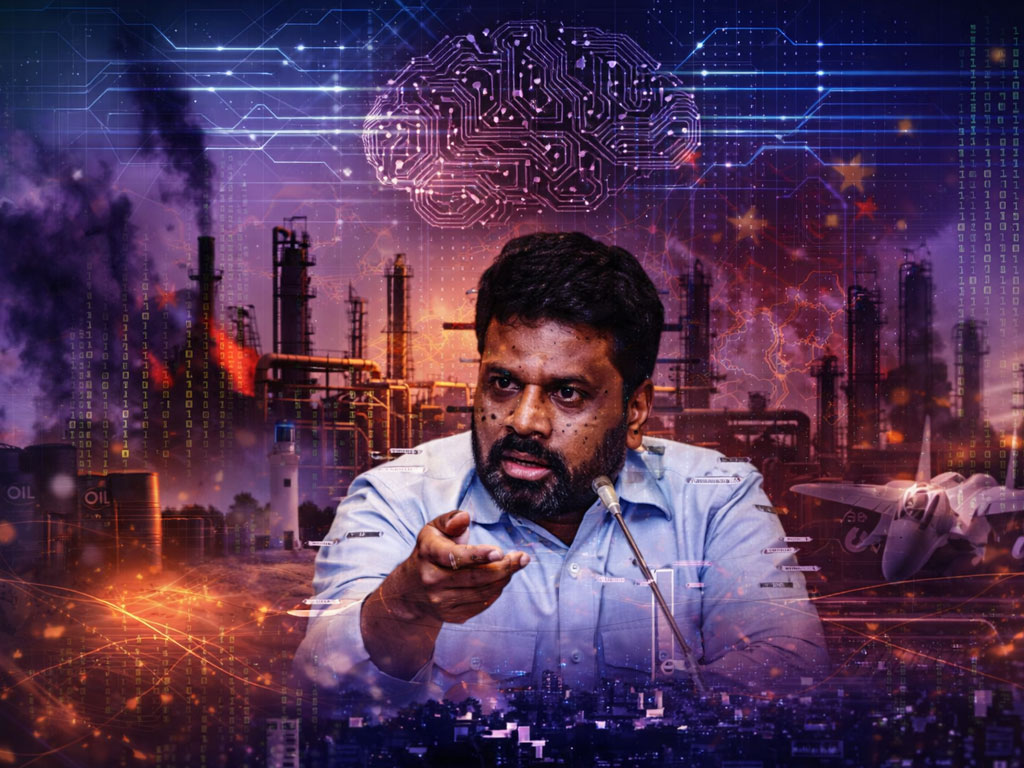
A high-stakes diplomatic decision may have cost Sri Lanka crucial leverage in energy security, BRICS alignment, and global investment opportunities.
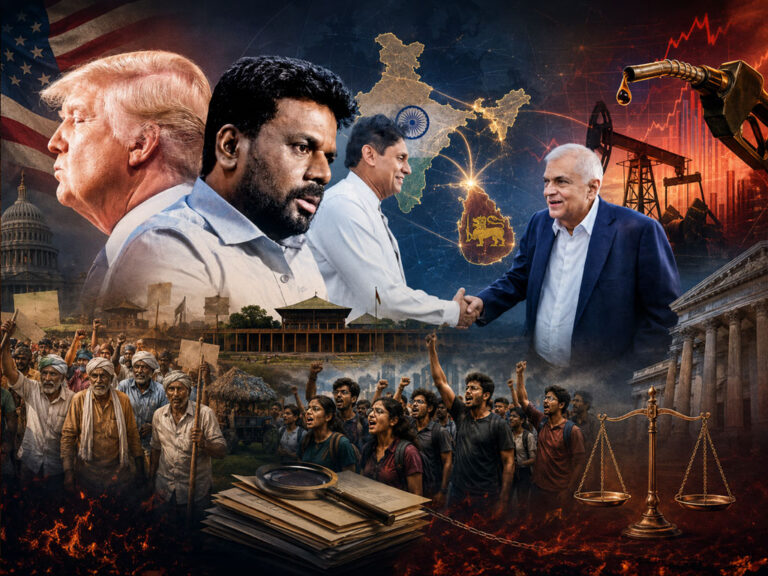
As soon as Anura Kumara Dissanayake assumed office as President, the Russian Ambassador to Sri Lanka moved quickly to engage, delivering a personal invitation from Russian President Vladimir Putin to attend the BRICS summit in Russia. The invitation signaled an opportunity for Sri Lanka to deepen ties with a major global power at a time when shifting geopolitical alliances are redefining trade, energy security, and diplomatic influence.

Russia has historically maintained close links with the JVP, often viewed as an anti-American and anti-imperialist political force. From Moscow’s perspective, Anura’s rise to power may have represented a strategic opening to bring Sri Lanka closer into a bloc of nations balancing Western influence. The invitation to the BRICS summit appeared to reflect that expectation and a willingness to strengthen bilateral relations.
However, Anura declined the invitation, a move widely interpreted as an attempt to avoid straining relations with the United States. Sri Lanka’s engagement with Washington, particularly through U.S. Ambassador Julie Chung, has remained significant in shaping policy direction and economic cooperation.
At the same time, a key development involving Mattala Airport highlighted the complexity of Sri Lanka’s foreign policy choices. The previous administration under Ranil Wickremesinghe had planned to transfer the airport to a joint Russia India venture. Yet, due to U.S. sanctions on Russia, pressure mounted to halt the deal. Although Aviation Minister Nimal Siripala de Silva initially stated that Sri Lanka would resist external pressure, the decision was ultimately reversed after the change in leadership, aligning more closely with U.S. expectations.
The reversal appears to have strained relations with Moscow. The Russian Ambassador publicly expressed concern, noting that Sri Lanka no longer presented a conducive environment for investment, raising questions about long term investor confidence and diplomatic trust.
Ironically, global dynamics soon shifted. With the escalation of the Iran conflict, the United States eased certain sanctions on Russia, enabling countries like India to resume oil transactions. Sri Lanka then sought Russian assistance for fuel procurement, with Foreign Minister Vijitha Herath initiating discussions. While Russia responded positively, complications emerged regarding payment mechanisms and currency arrangements.
Looking back, the decision to decline Putin’s invitation may have had unintended consequences. Strengthening ties through BRICS engagement could have positioned Sri Lanka more favorably in securing energy deals and strategic partnerships. In an increasingly multipolar world, timing and diplomatic balance are proving critical. Sri Lanka now finds itself navigating the consequences of a decision that may have reshaped its geopolitical and economic trajectory.
SOURCE :- SRI LANKA GUARDIAN