In a high-stakes diplomatic push, Europe and Japan pledge naval action and market intervention to counter Iranian attacks and prevent a full-blown energy meltdown.
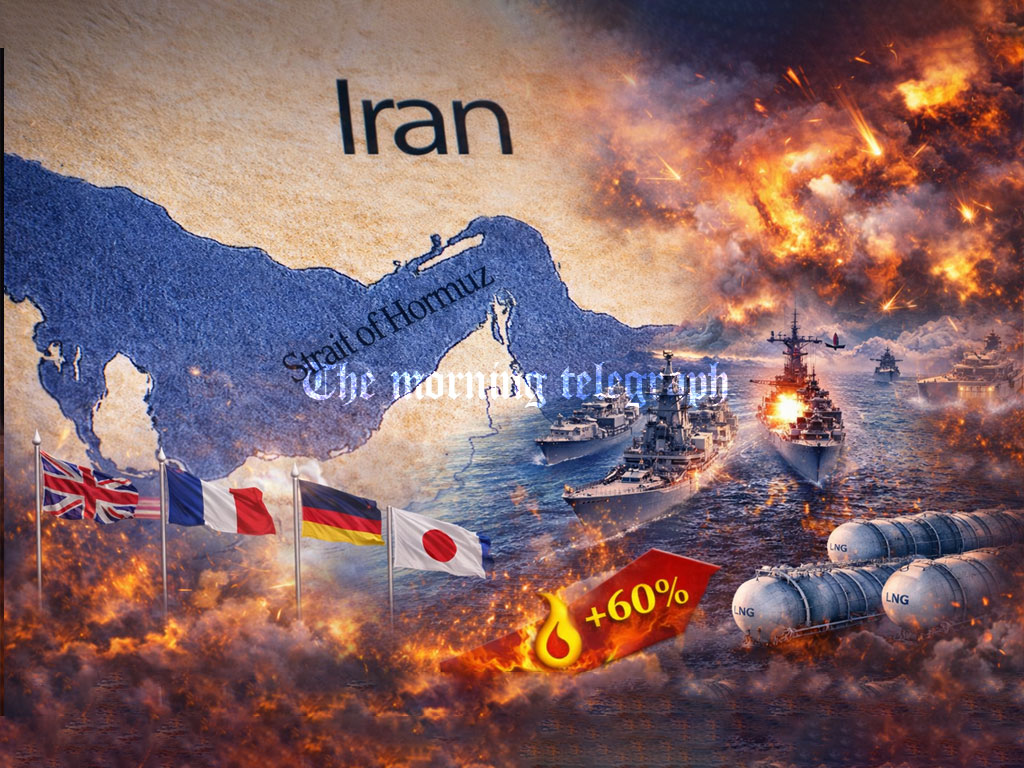
In a striking display of coordinated diplomacy, European nations and Japan announced a joint initiative on Thursday to secure the Strait of Hormuz, the world’s most critical artery for energy shipments. The move comes as global markets tremble under the weight of a widening conflict with Iran, with European natural gas prices surging by 60 percent since hostilities began.

Leaders from the United Kingdom, France, Germany, Italy, the Netherlands, and Japan issued a powerful joint statement, confirming their readiness to contribute to efforts ensuring safe passage through the strait. They welcomed the commitment of nations already engaged in preparatory planning, underscoring that maritime security and freedom of navigation are universal interests. The group condemned Iranian attacks on commercial vessels and energy infrastructure in the strongest terms, invoking United Nations Security Council Resolution 2817 to demand an immediate halt to threats against global trade.
On the economic front, the coalition celebrated a coordinated release of strategic petroleum reserves authorized by the International Energy Agency. They vowed to take additional steps to stabilize volatile energy markets, including engaging with producing nations to boost output. The alliance also pledged support for nations most affected by the crisis, channeling aid through the United Nations and international financial institutions.
The diplomatic urgency was fueled by a dangerous escalation overnight. In retaliation for an Israeli strike on Iran’s South Pars gas field, which it shares with Qatar, Iran launched attacks on Qatar’s liquefied natural gas facilities at Ras Laffan Industrial City. Officials described the damage as extensive, raising alarm across Europe, which relies heavily on Qatari LNG for heating and power generation. Any further strikes on this hub could severely compromise energy security across the continent.
President Donald Trump stated the United States had no advance knowledge of Israel’s operation. He condemned Iran’s response and issued a stark warning, threatening overwhelming retaliation if Qatar’s energy infrastructure continues to be targeted.
Meanwhile, European Union leaders convened in Brussels to explore relief options for the deepening energy crisis. In their summit conclusions, the European Council called for a moratorium on strikes against energy and water facilities, emphasizing the urgent need for de-escalation and maximum restraint. They highlighted the importance of bolstering counter-drone and air defense capabilities for partners, notably welcoming Ukraine’s offer to provide expertise in these areas to Gulf countries, a topic President Volodymyr Zelensky recently addressed.
The EU leadership condemned any acts threatening navigation through the Strait of Hormuz and reaffirmed its readiness to support diplomatic efforts to end hostilities. However, the bloc remains cautious about direct military involvement. Kaja Kallas, the European Commission’s high representative for foreign affairs, noted that member states have little appetite for entering the war.
European Council President António Costa framed the crisis as a pivotal moment to rethink the bloc’s energy strategy, advocating for increased homegrown production and a faster energy transition as the only path to true autonomy and security.